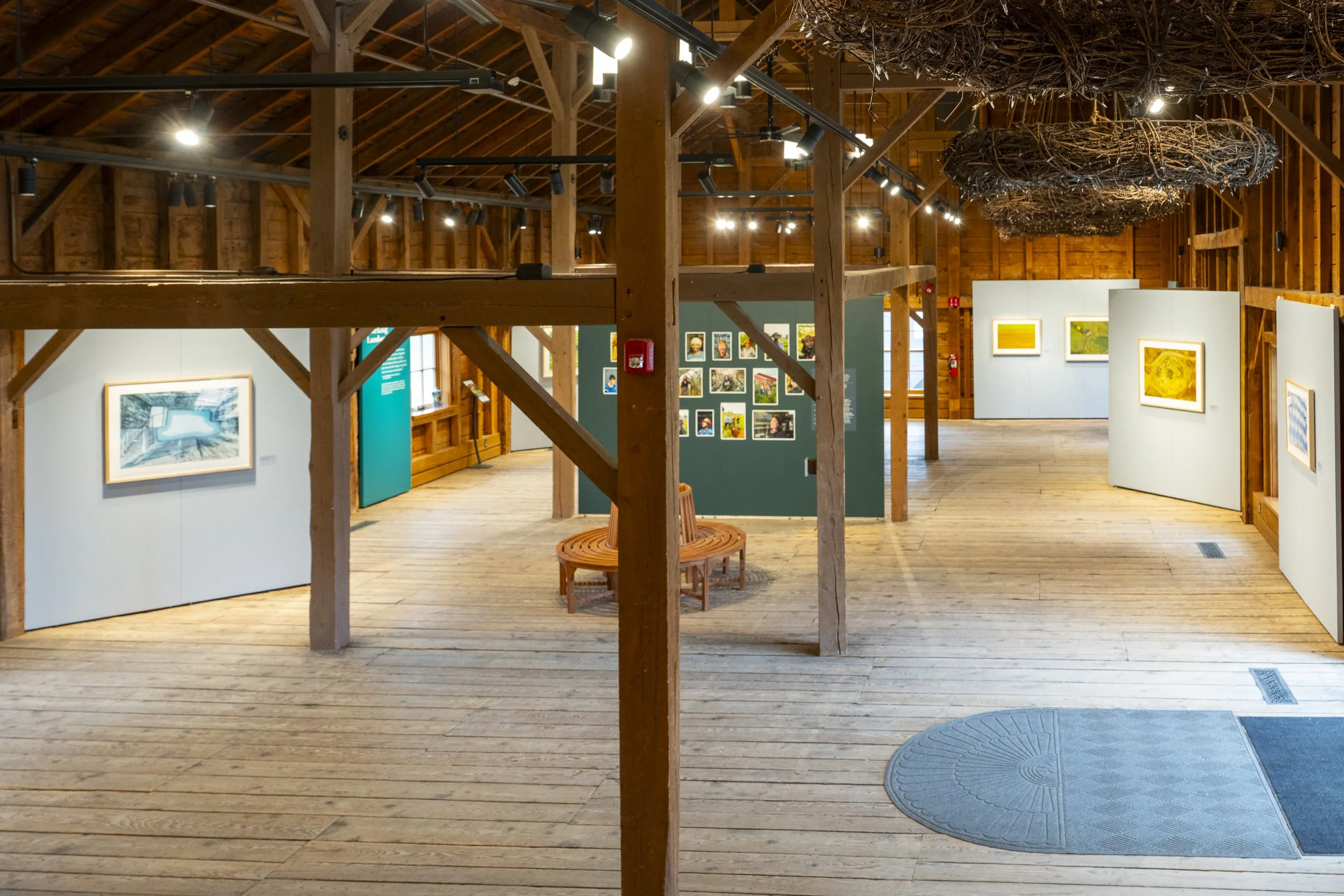
Vermont’s Working Landscapes
“A good photograph is knowing where to stand.”
—Ansel Adams
Growing up in Vermont, I couldn’t help but notice the changing landscape: hayfields, crop fields, mountains, forests, and rivers. Each season—spring, mud season, summer, fall, stick season, and winter—brings its own light, mood, and texture.
I grew up on a hill overlooking Brandon, Vermont, surrounded by views of the Green Mountains, Taconic Range, and Adirondacks. As a child, I was inspired by the old black-and-white photographs my father made in the 1960s—portraits and landscapes that froze moments in time in carefully composed rectangles of light, pattern, and mood.
In high school, a black-and-white photography teacher assigned us to photograph strangers. We returned to school with our rolls of Tri-X film and developed them in a basement darkroom. That early assignment helped shape the way I see photography: as a way of paying attention to people and places that might otherwise go unnoticed.
I began my career as a newspaper photographer, where I was often sent out in search of “wild art”—stand-alone photographs that could tell a story without a headline or caption. In many ways, I am still photographing strangers and searching for wild art.
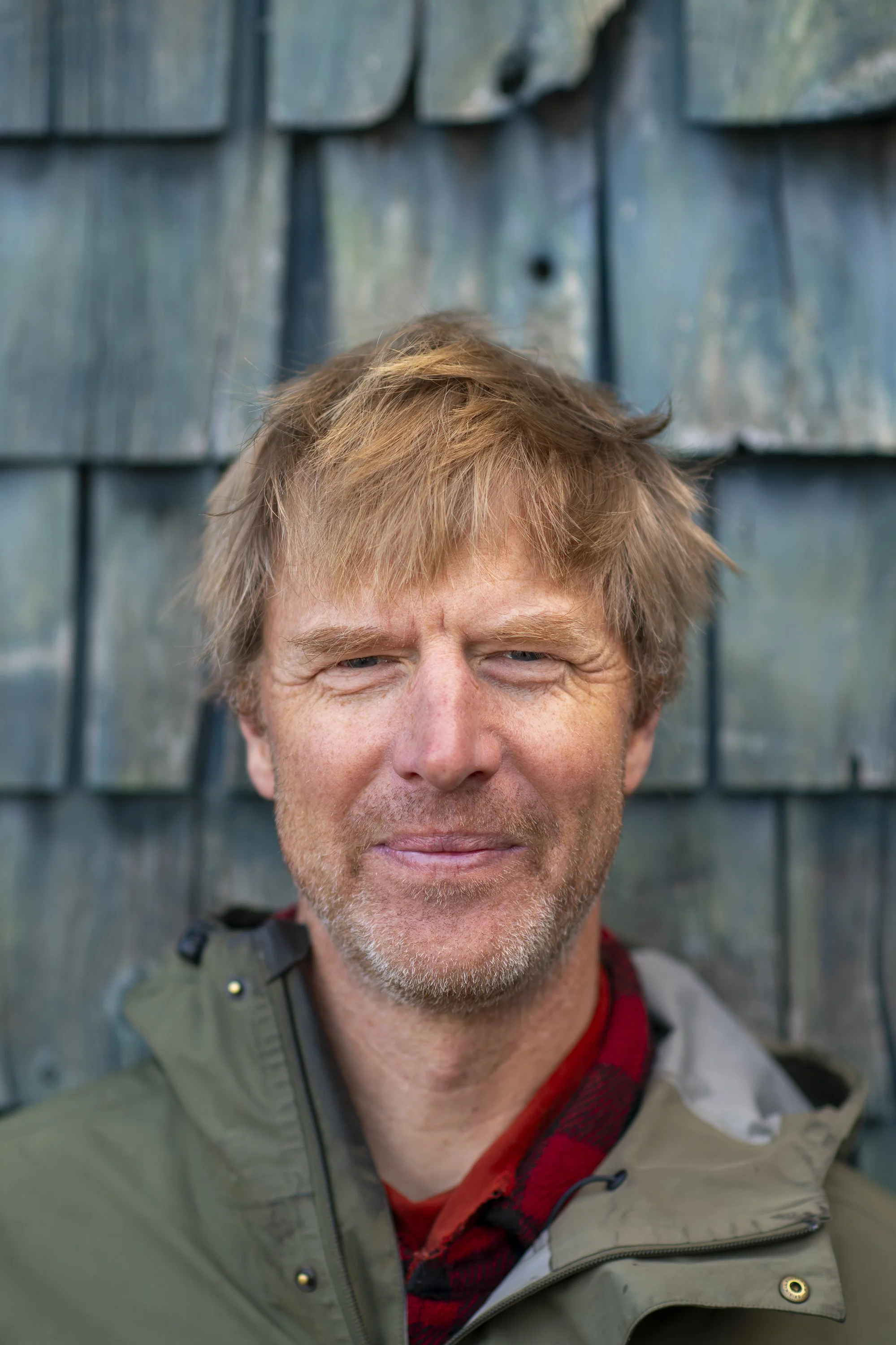
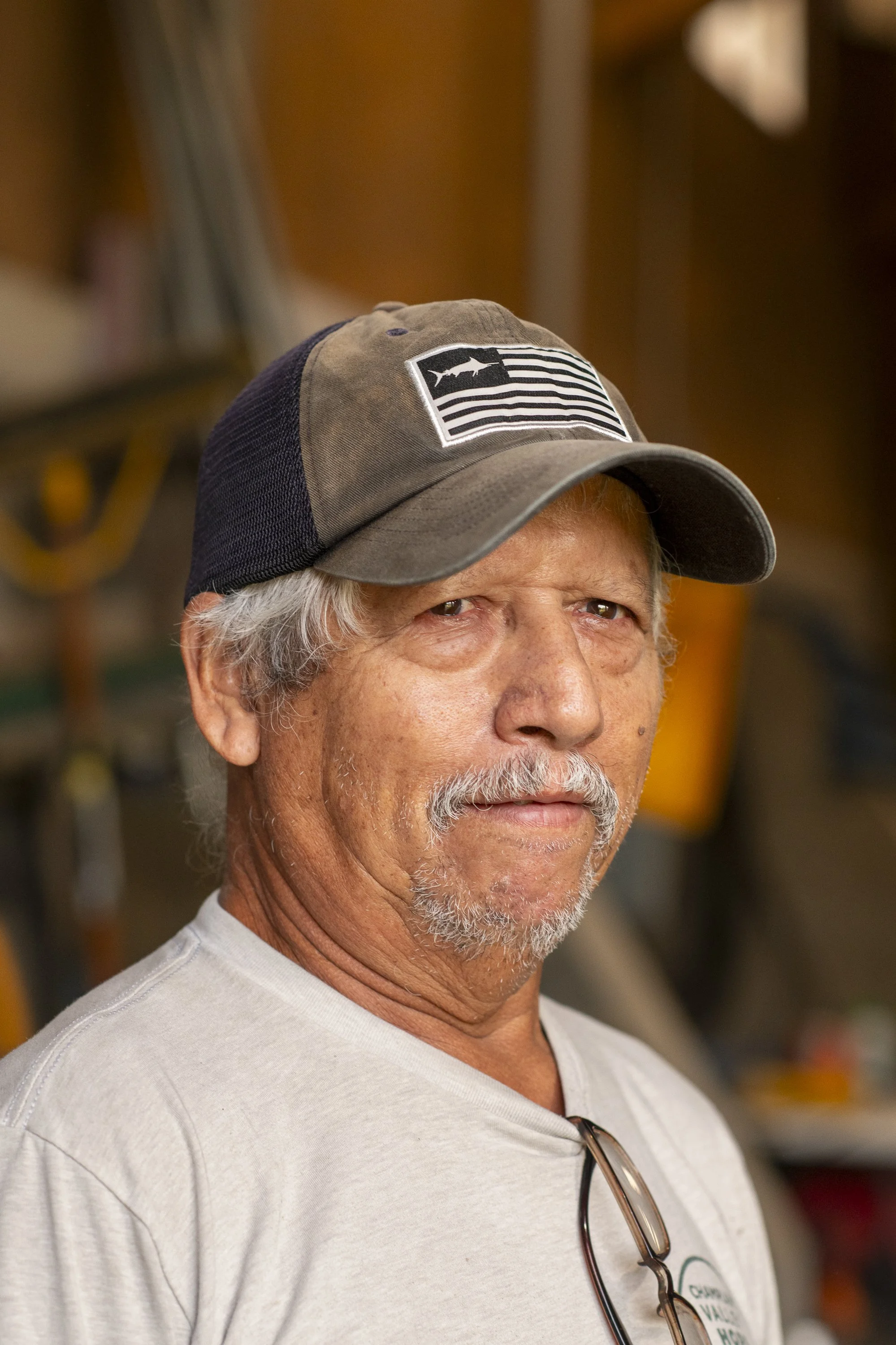
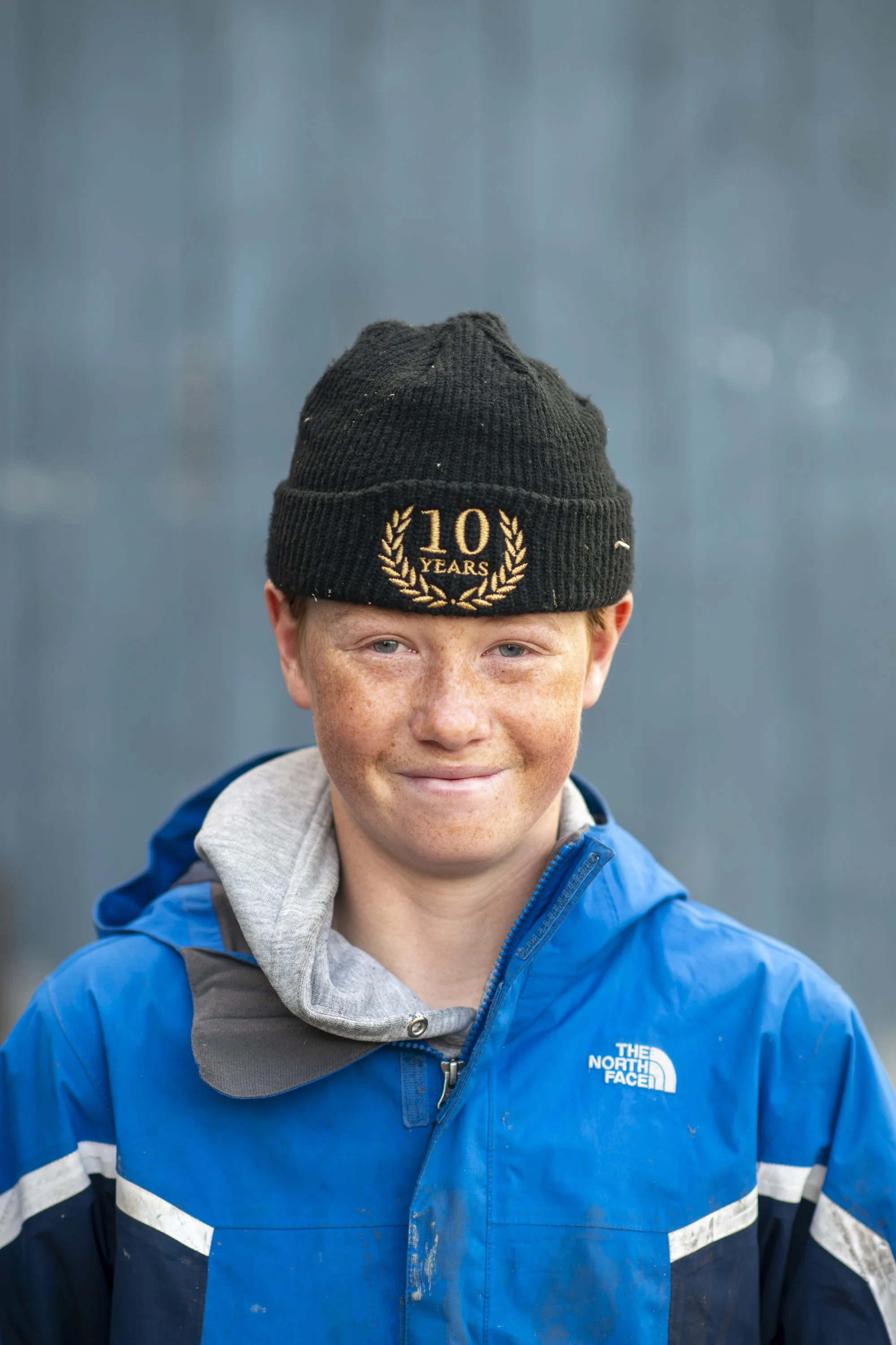
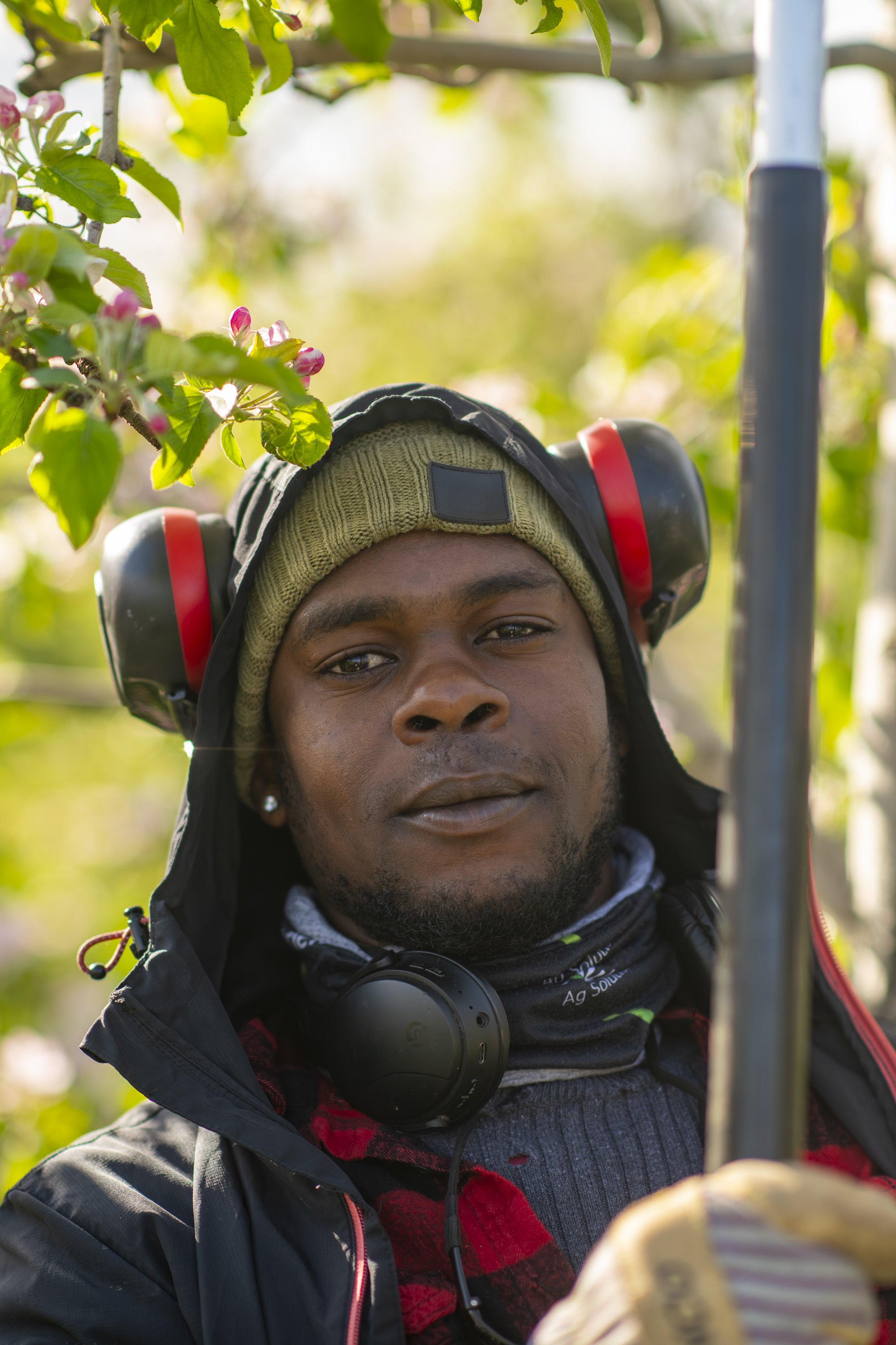
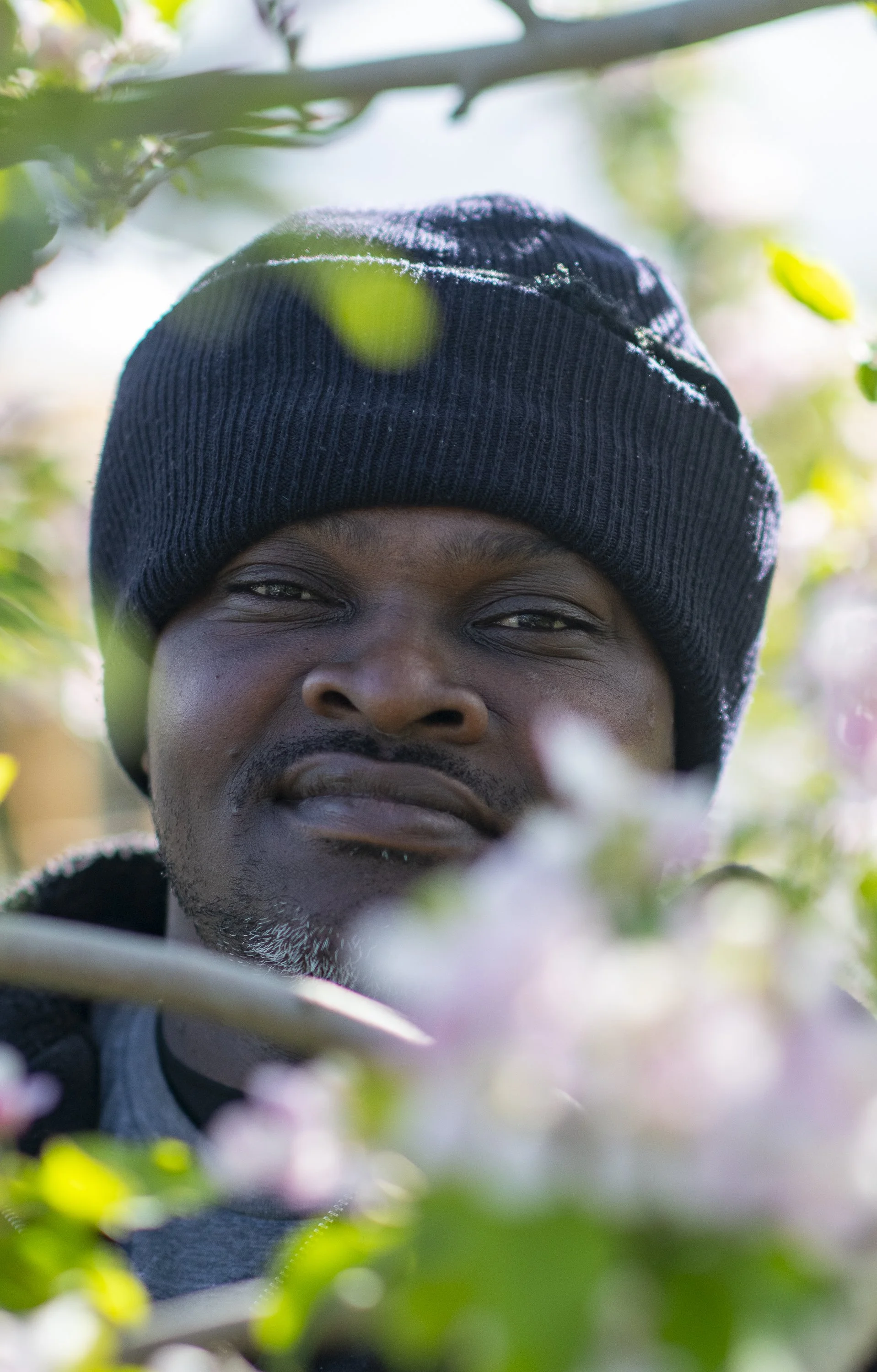
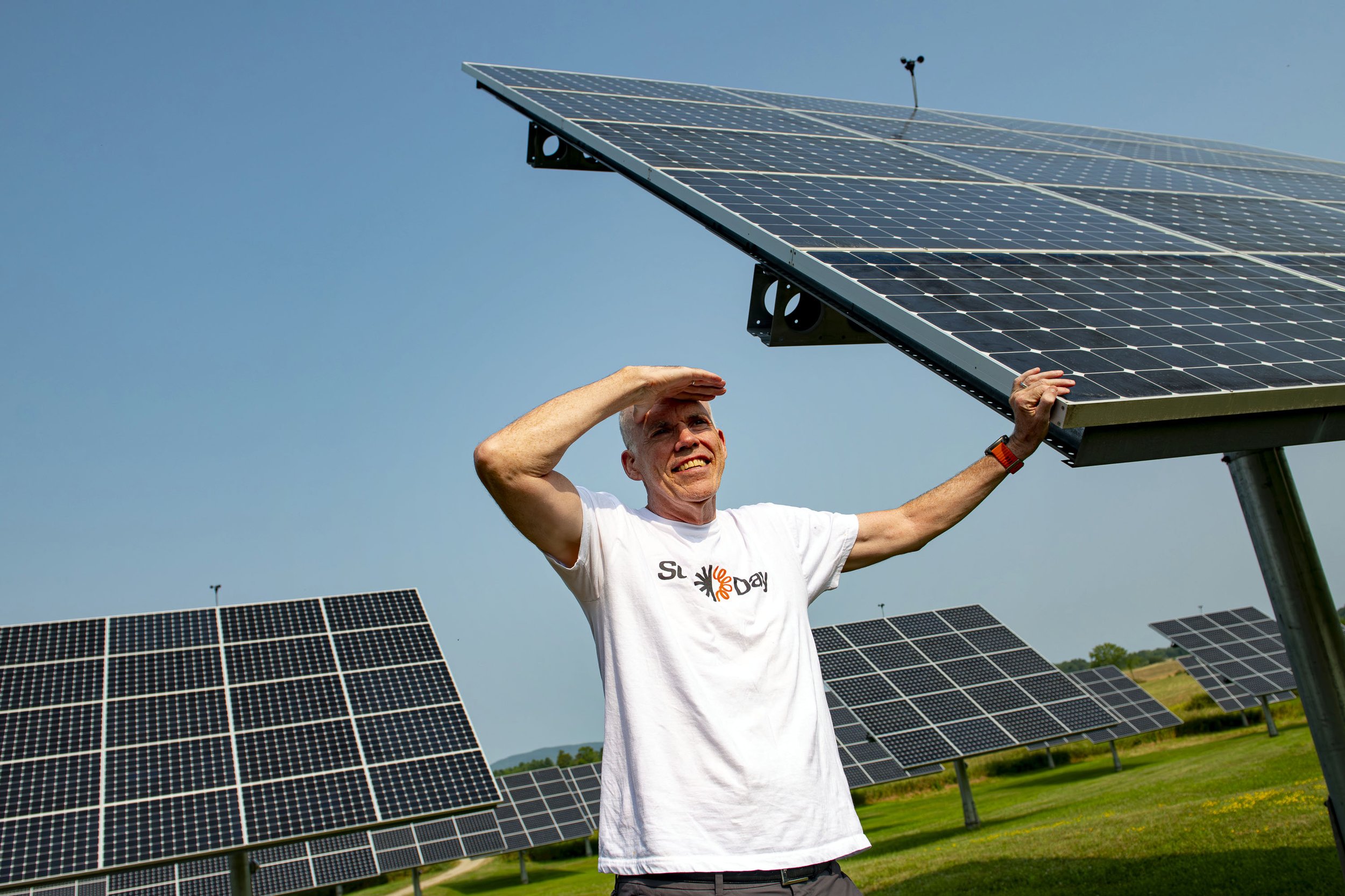
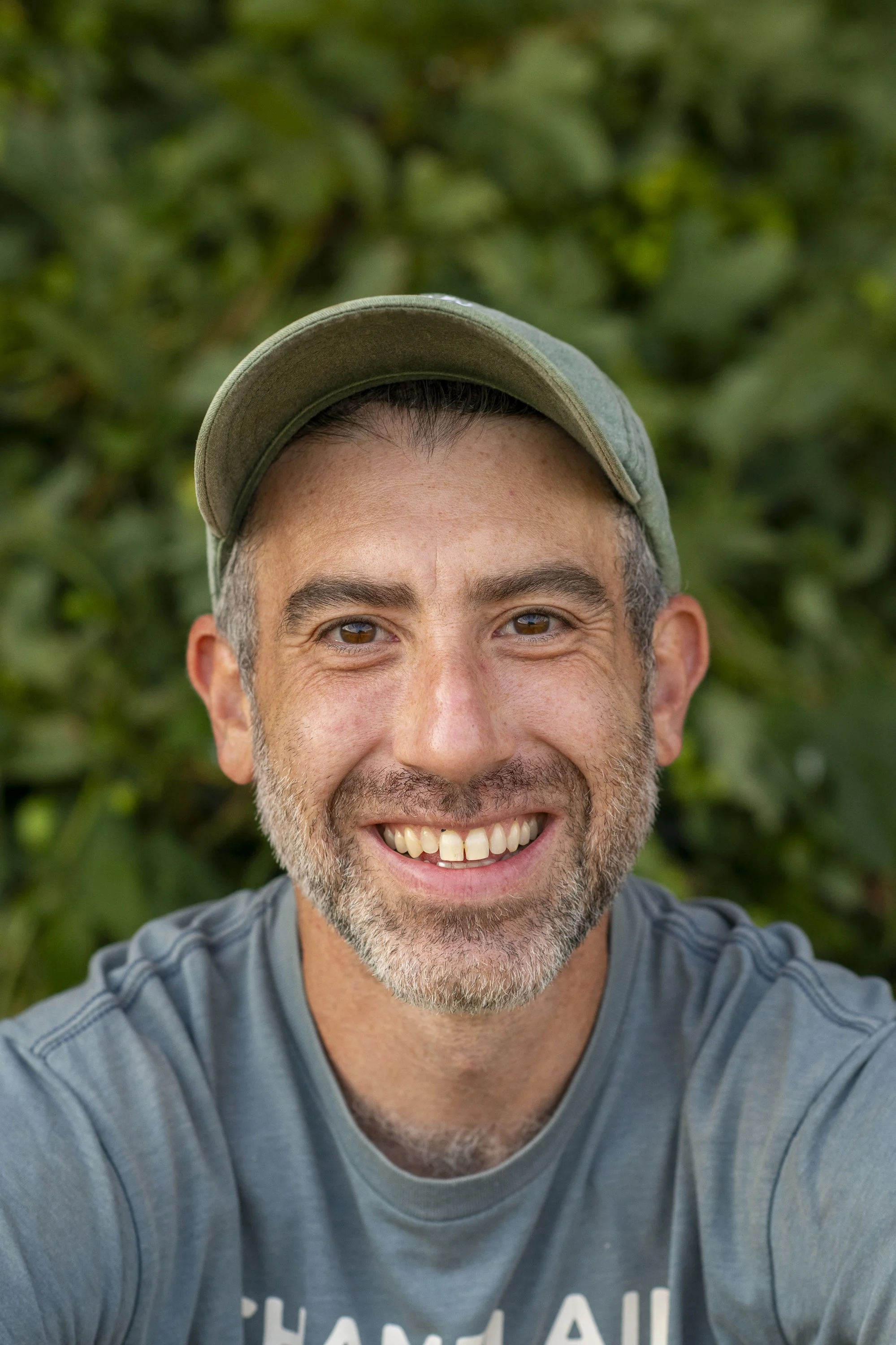
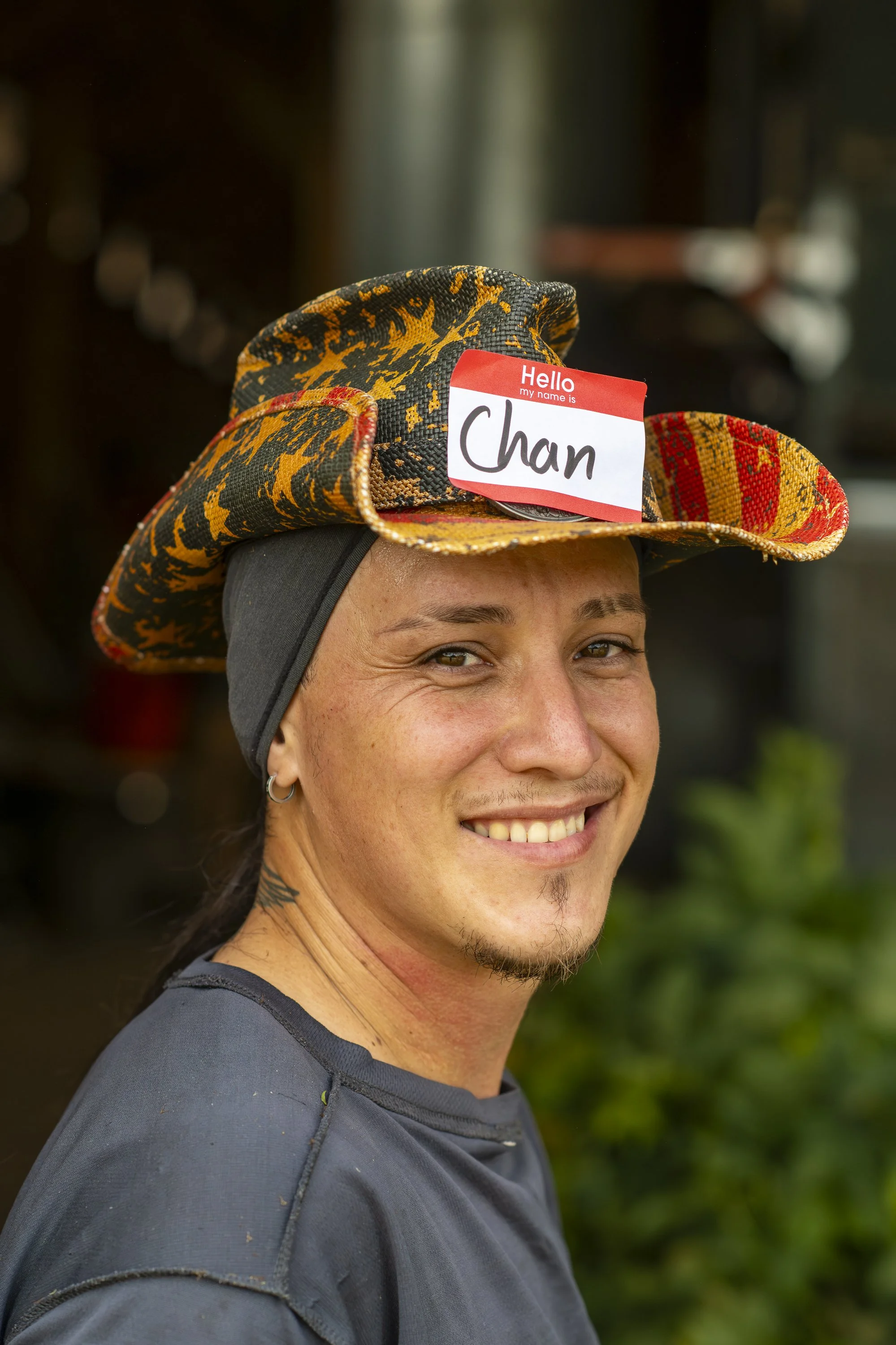
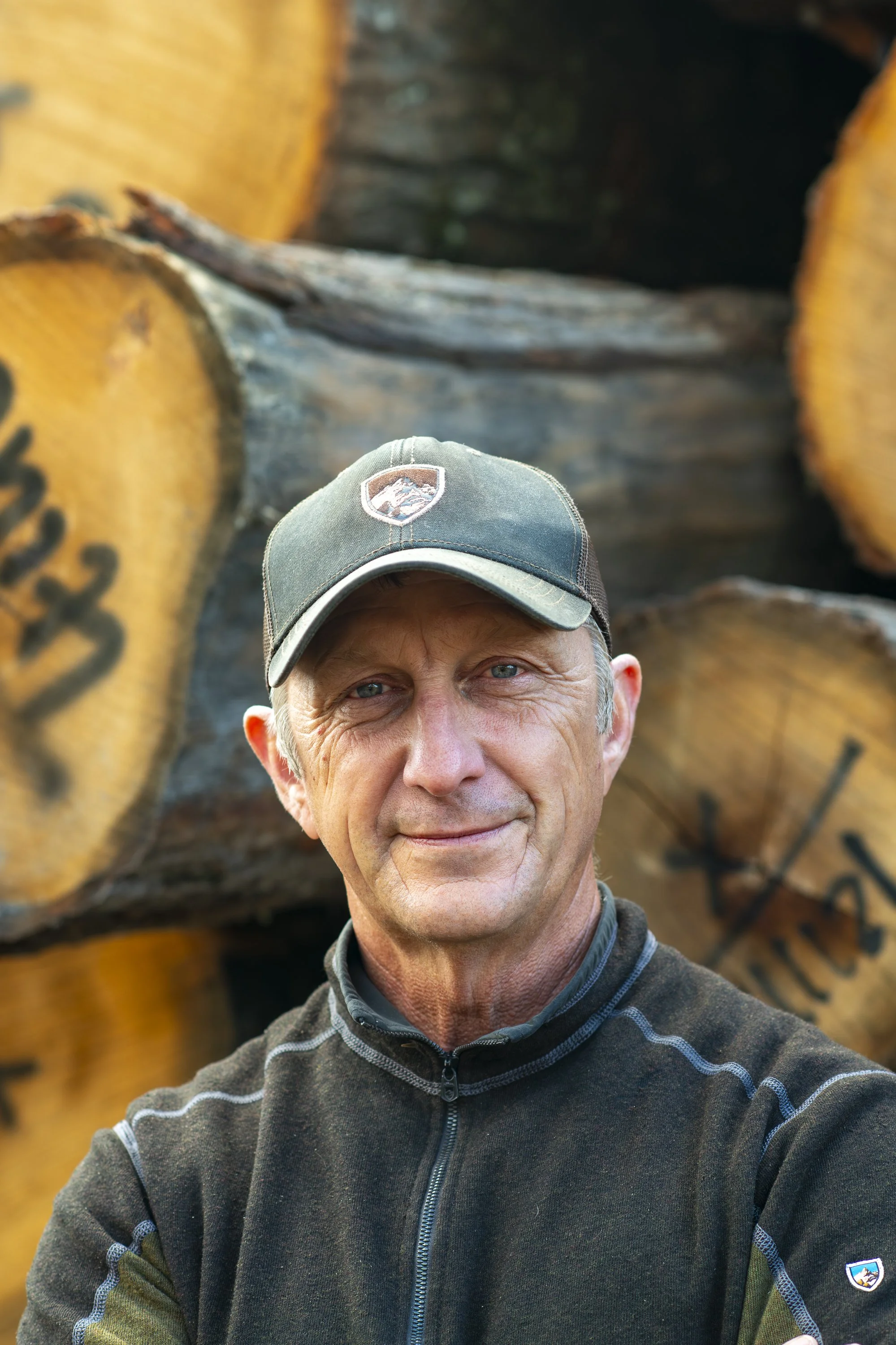
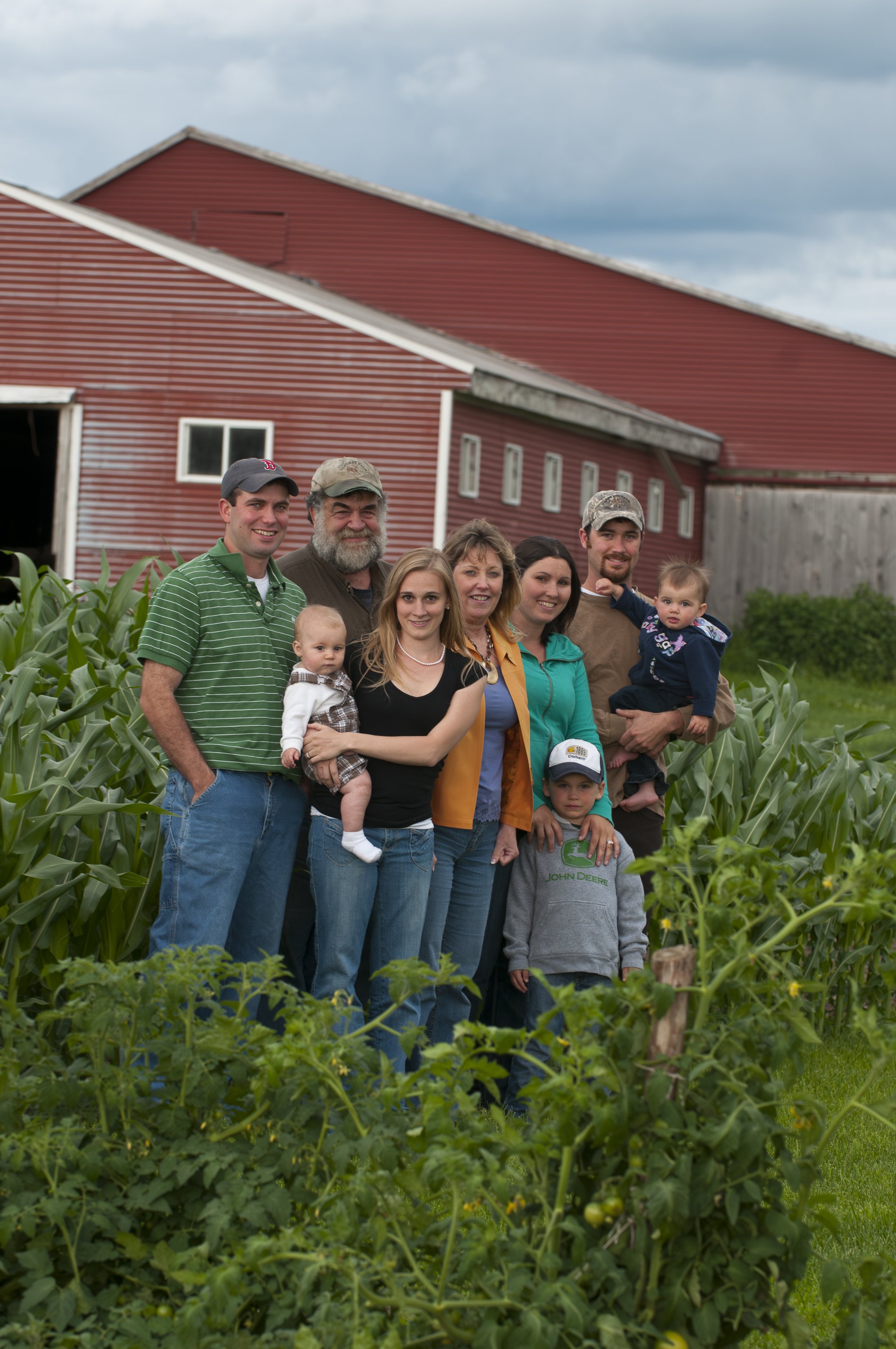
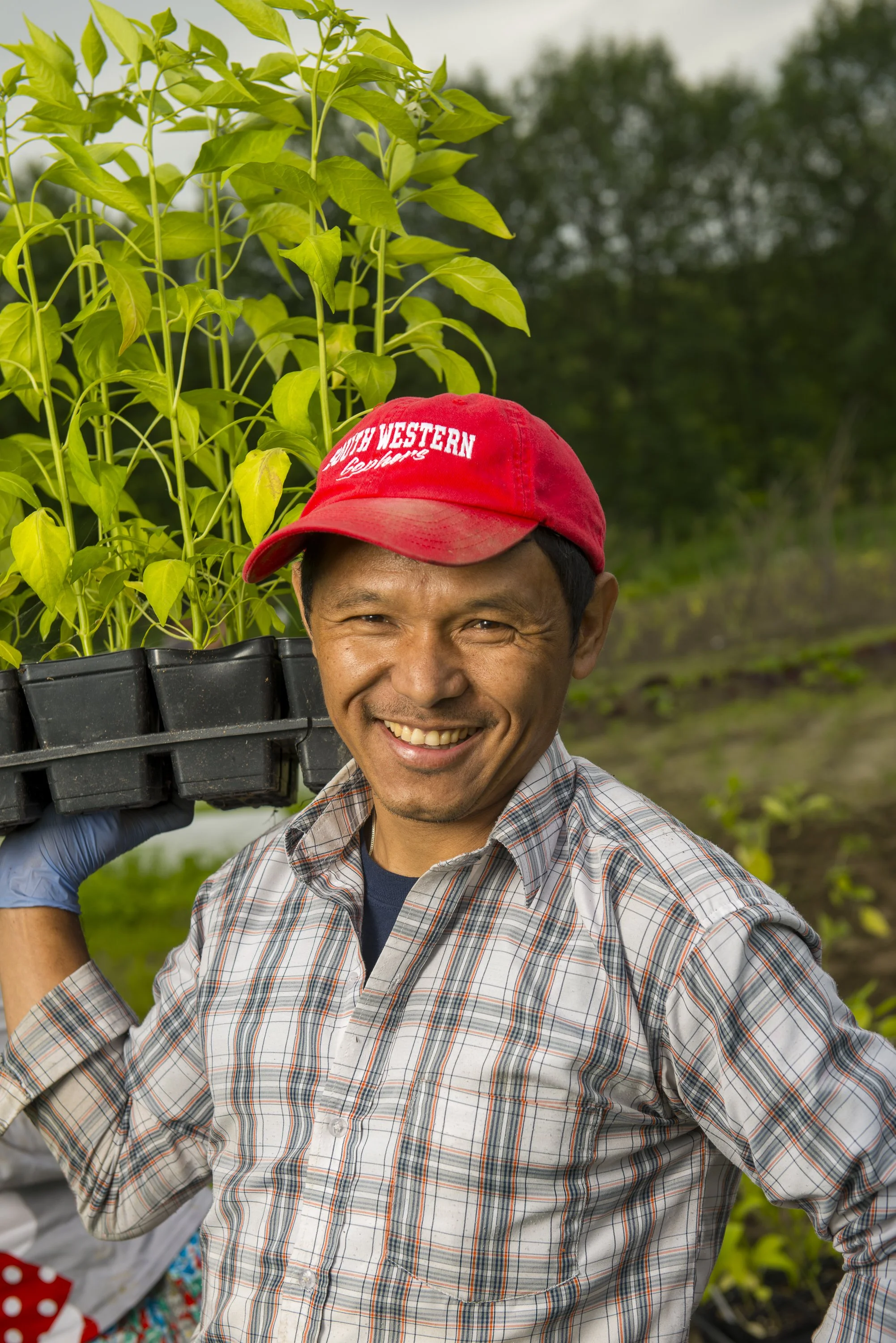
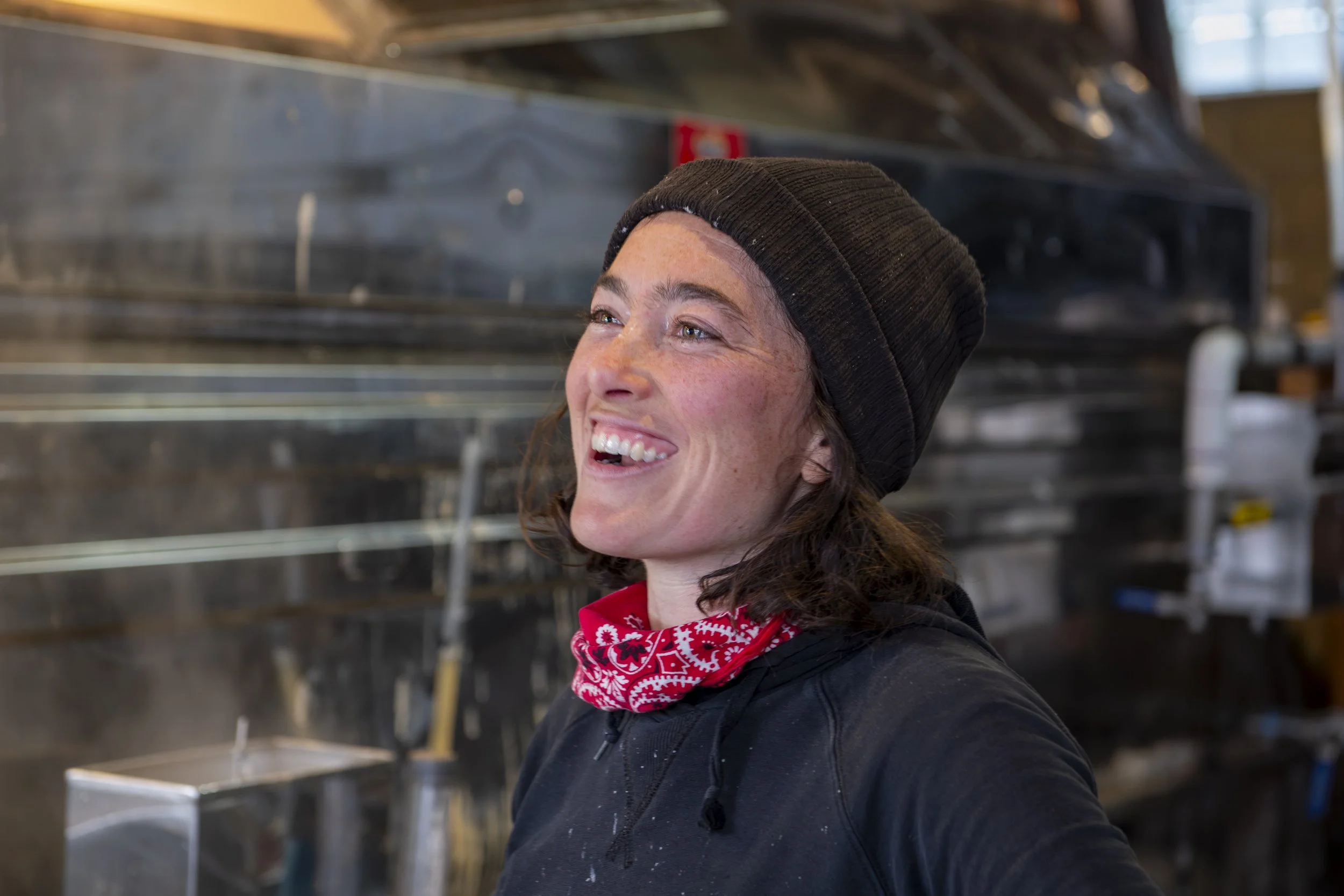
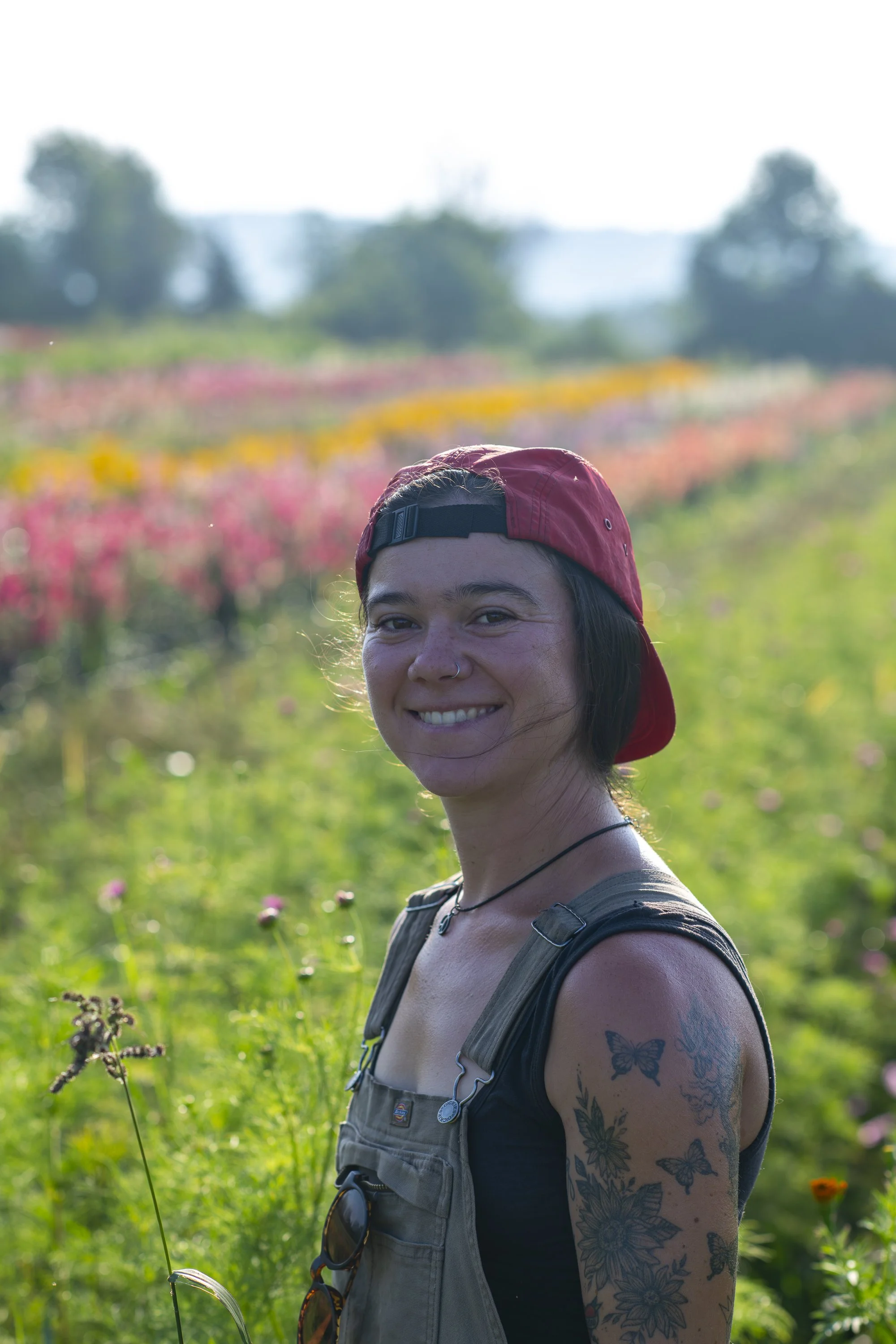
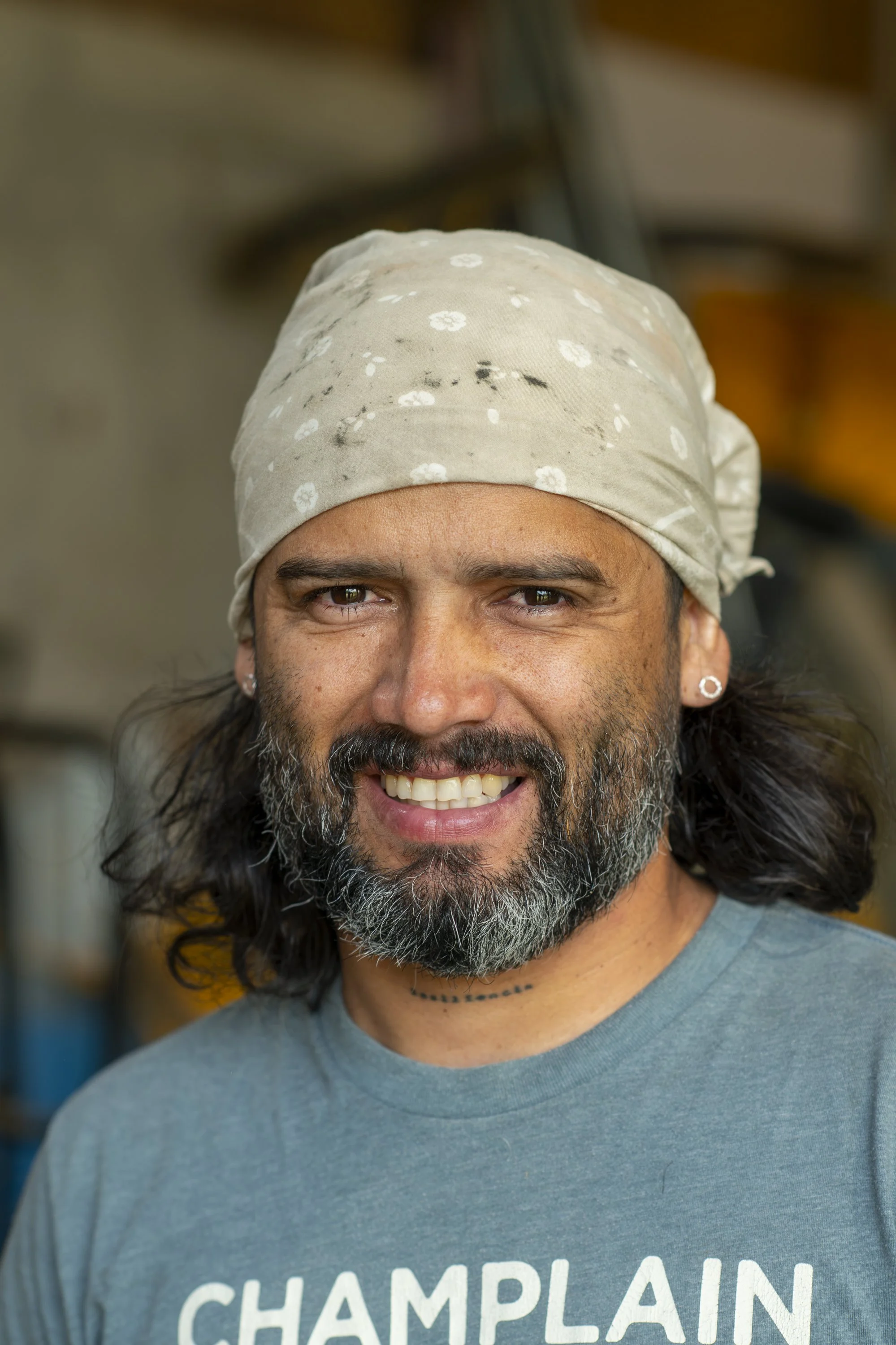
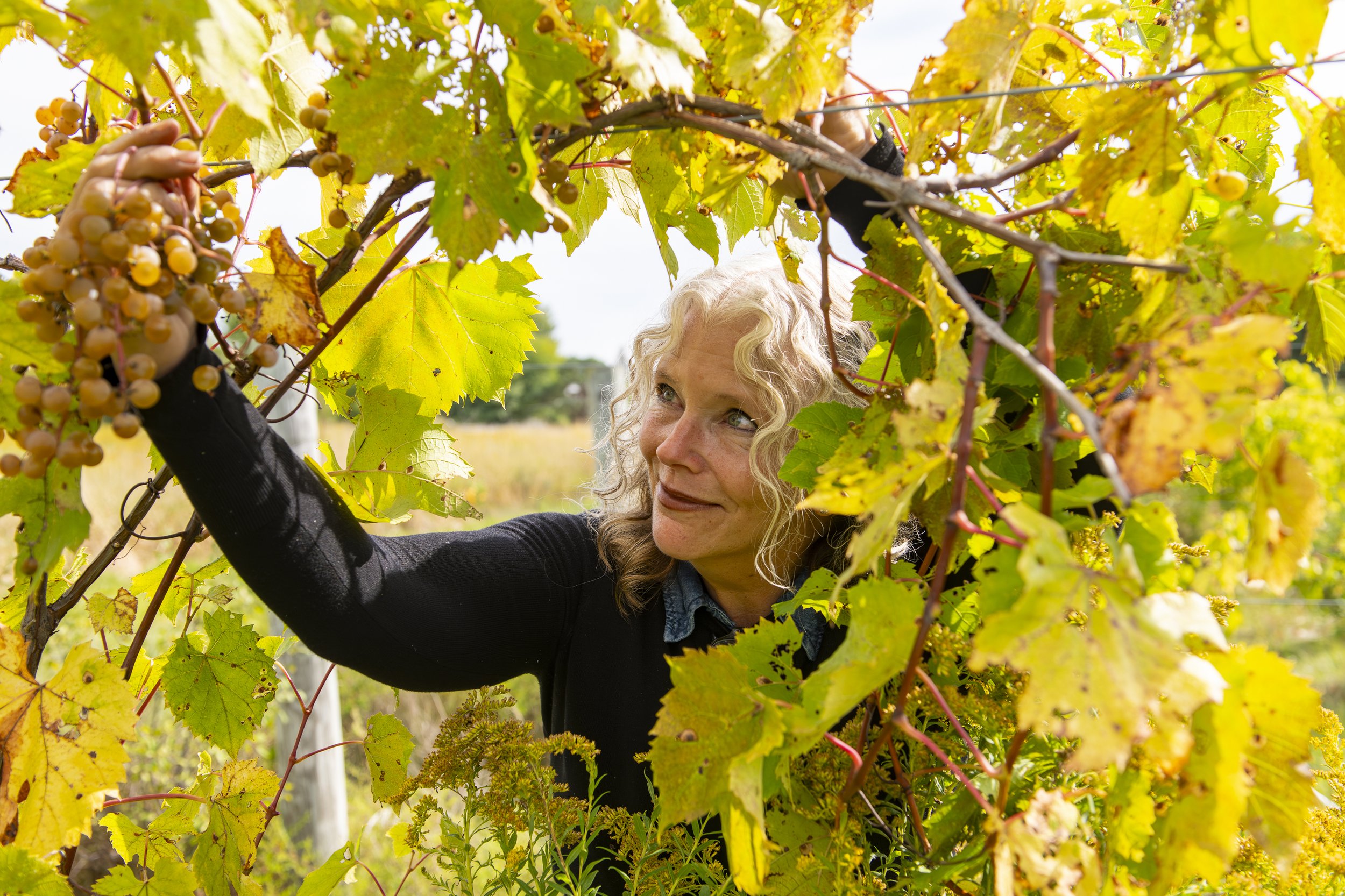
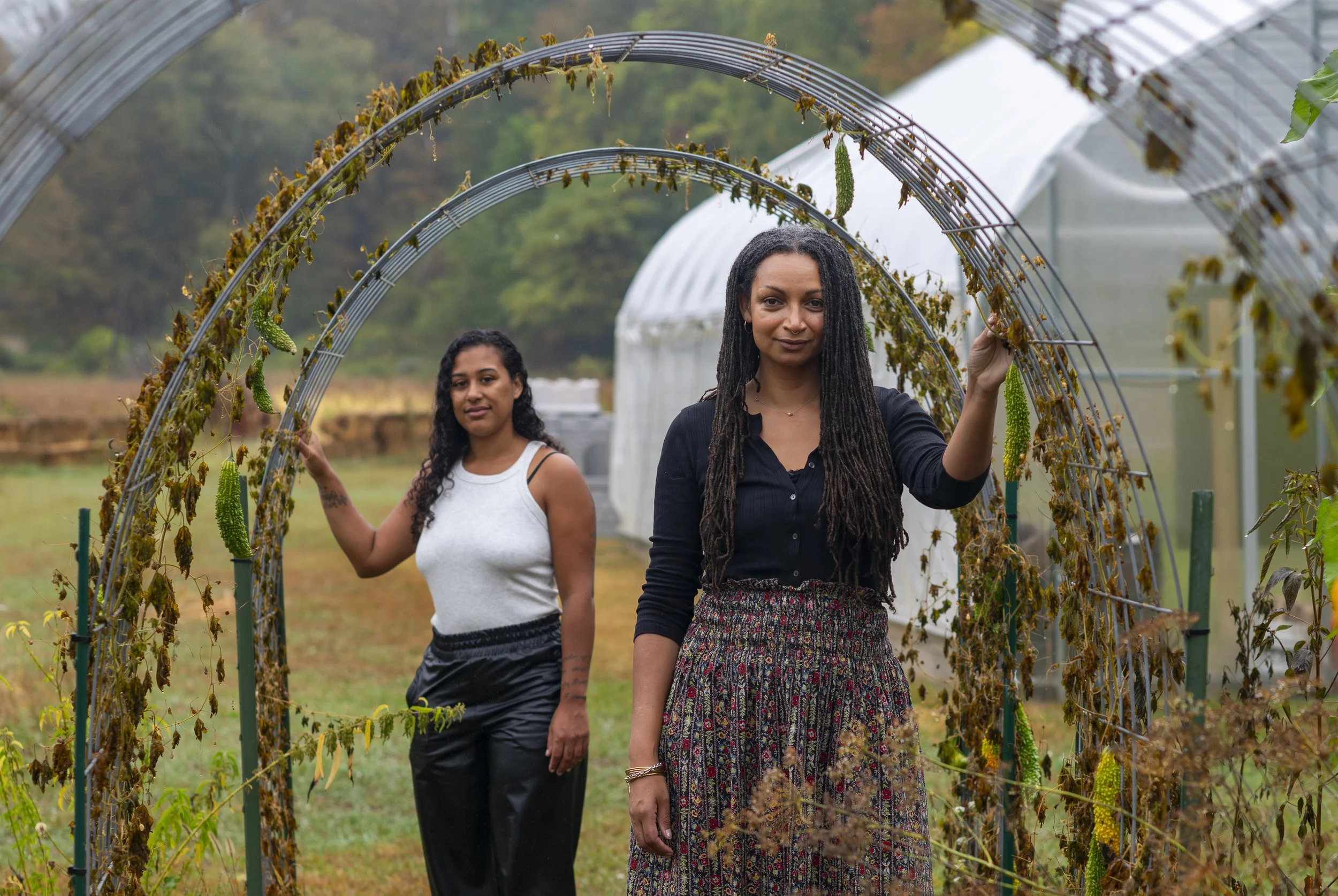
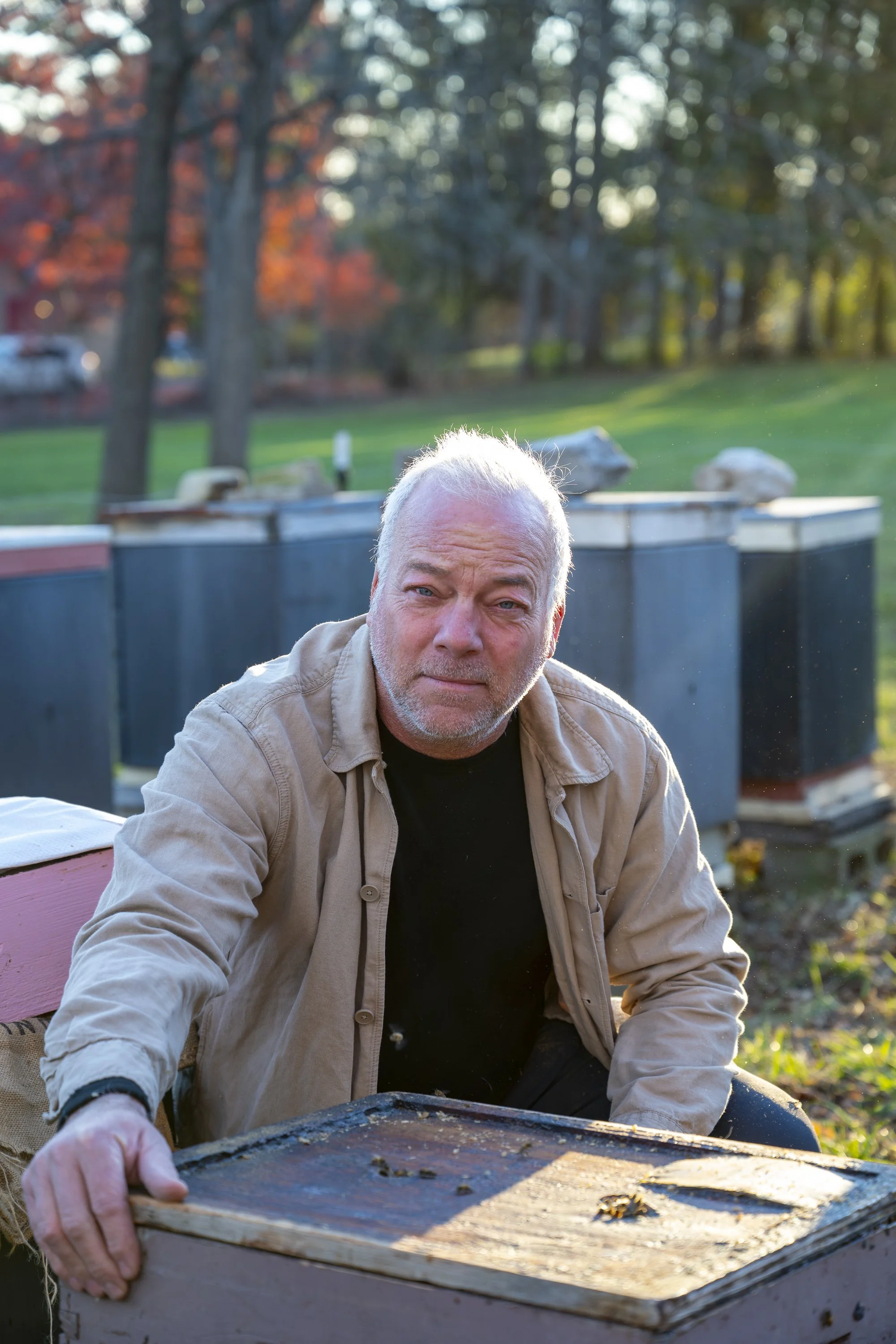
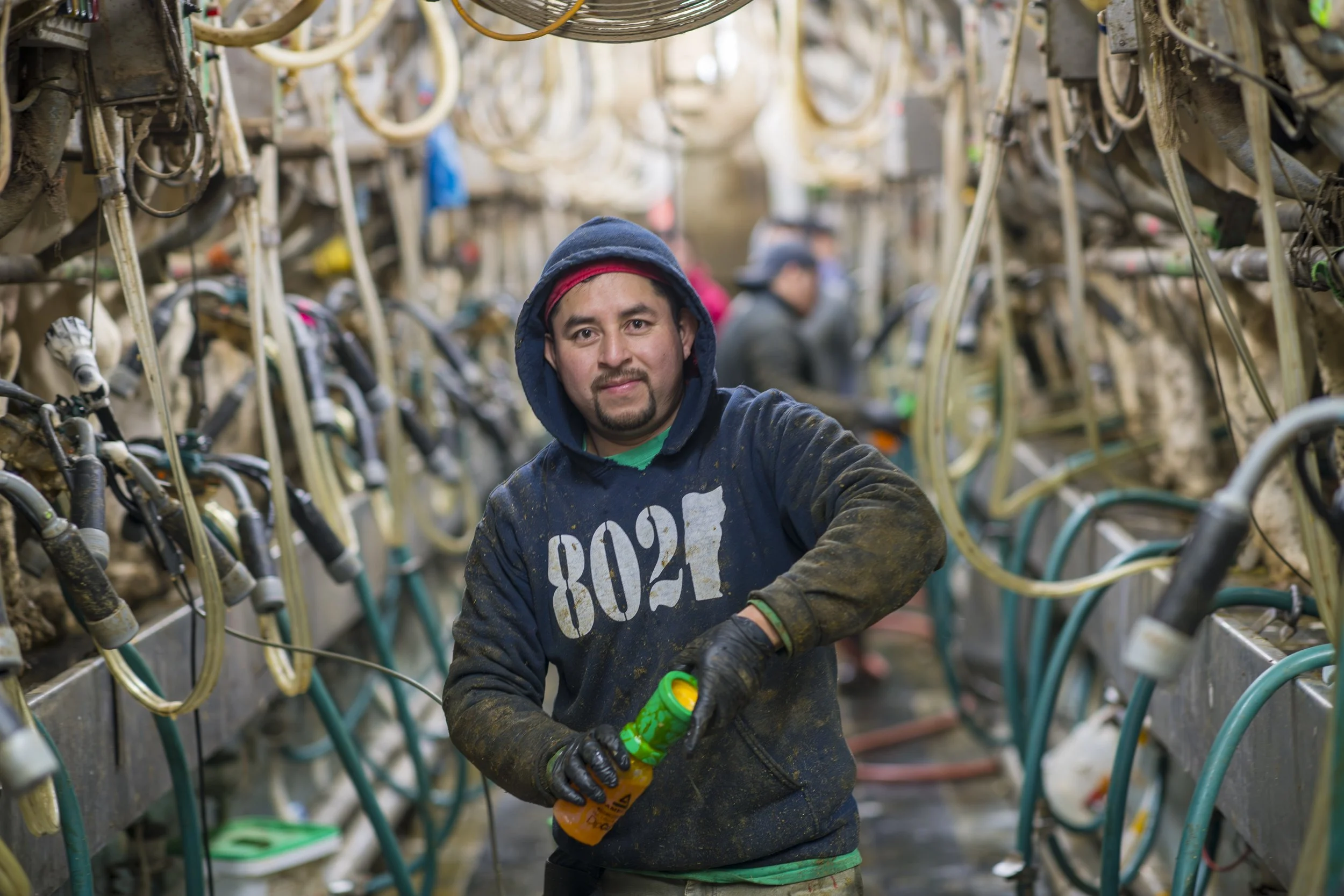
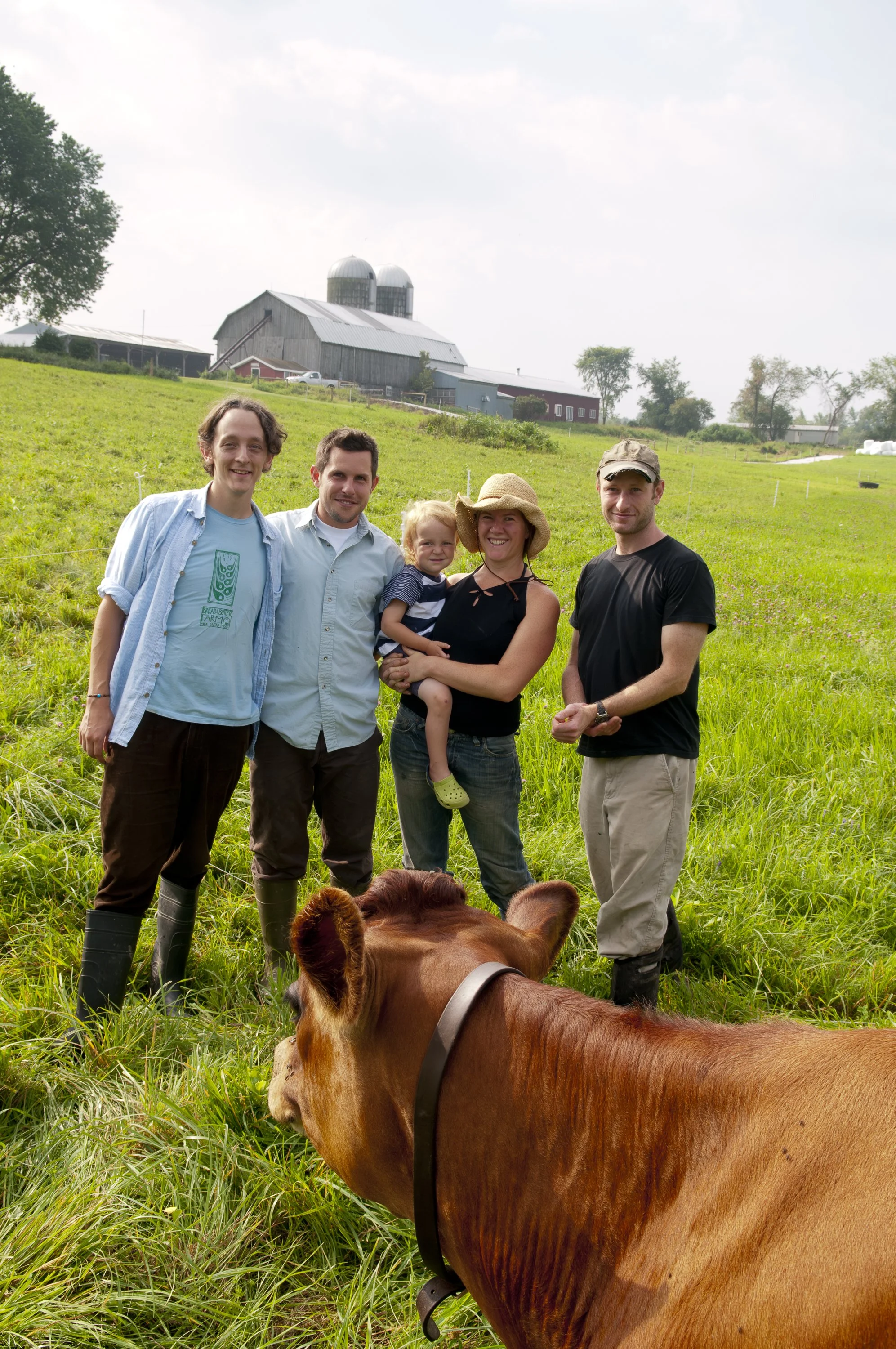
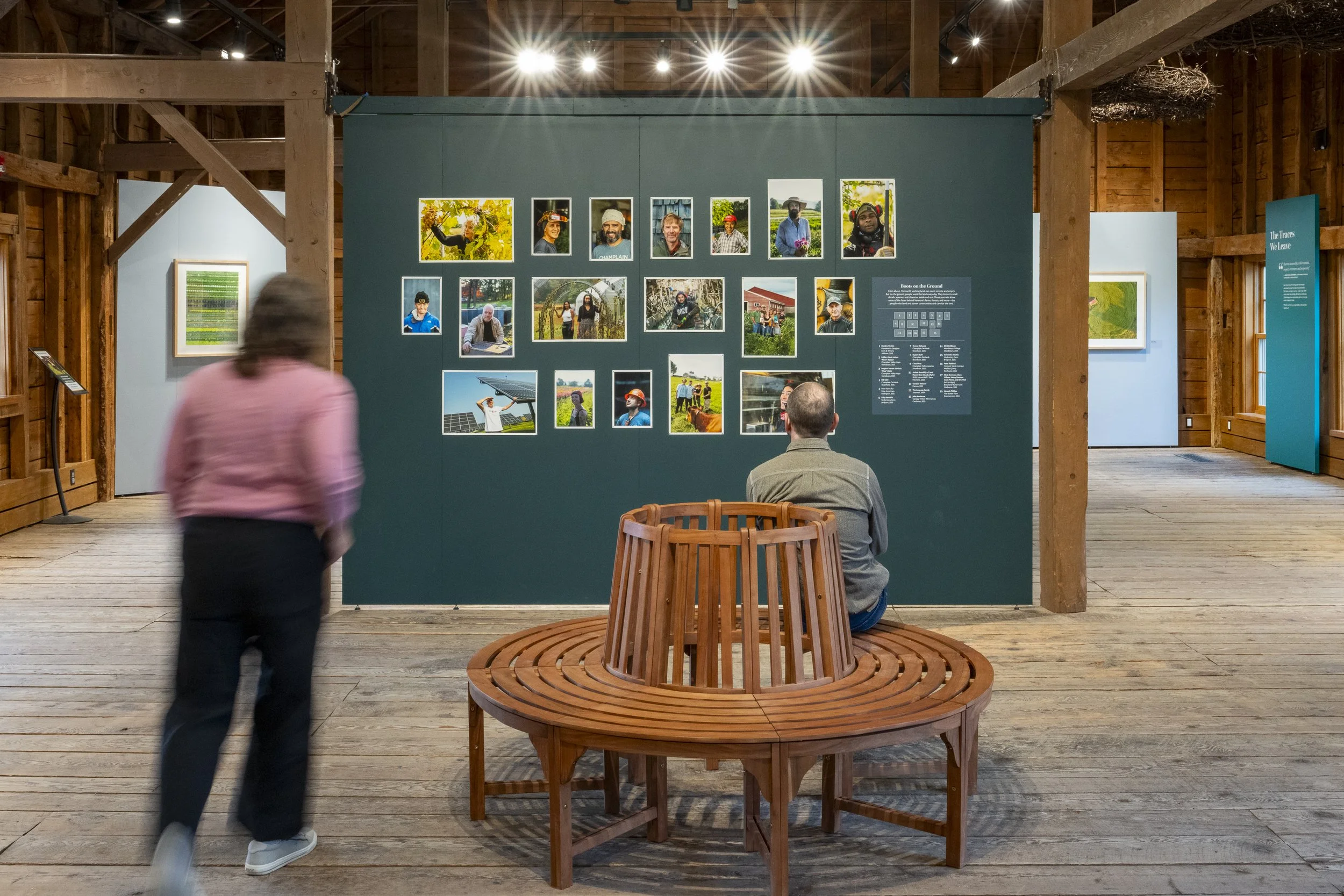
For many years, I have worked with the Vermont Land Trust, photographing conserved properties throughout the state. That work has introduced me to a wide range of Vermonters, from generational farm families to New Americans putting down new roots. It has also deepened my appreciation for the people who work Vermont’s land and the many ways they are connected to it.
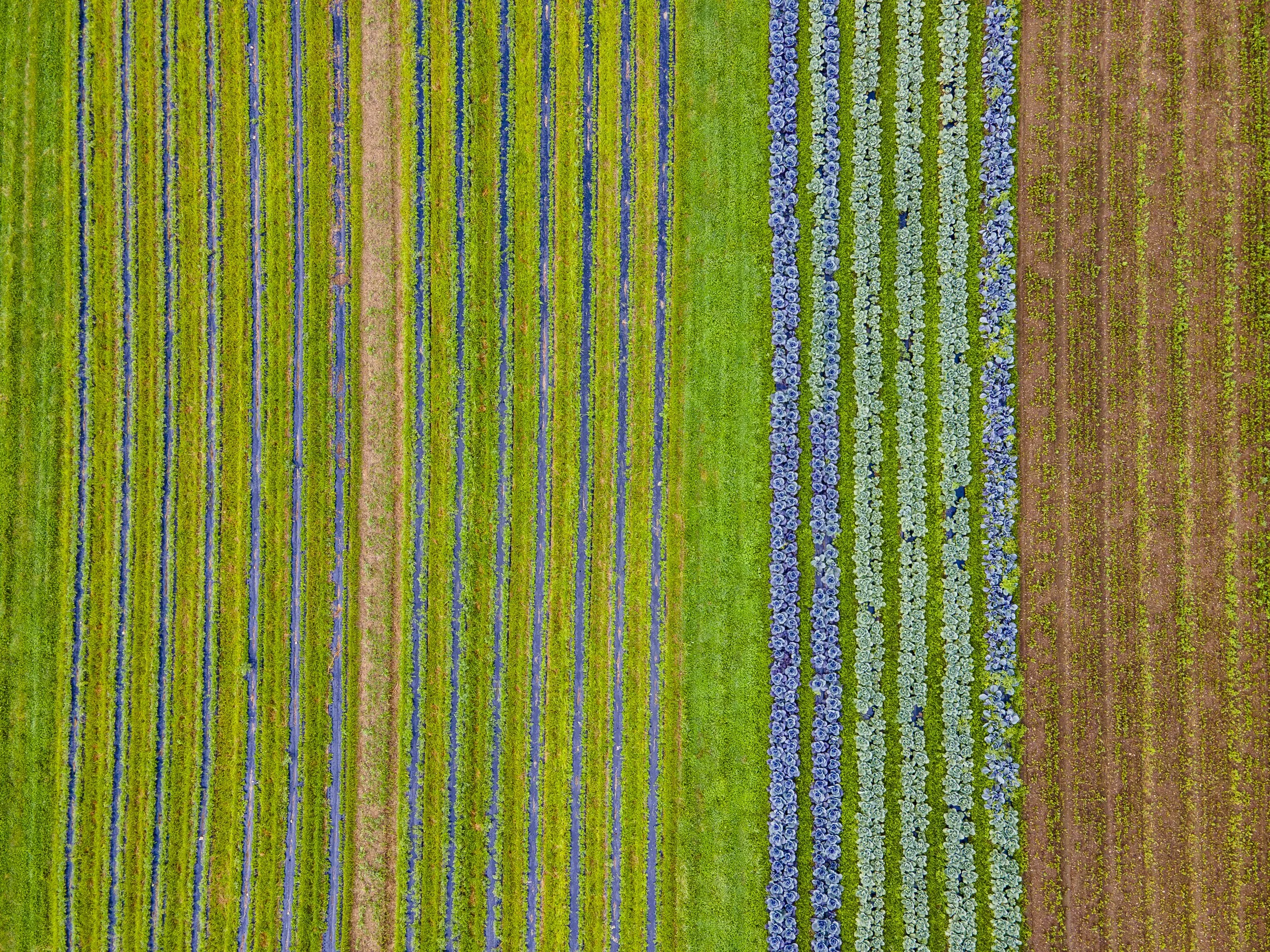
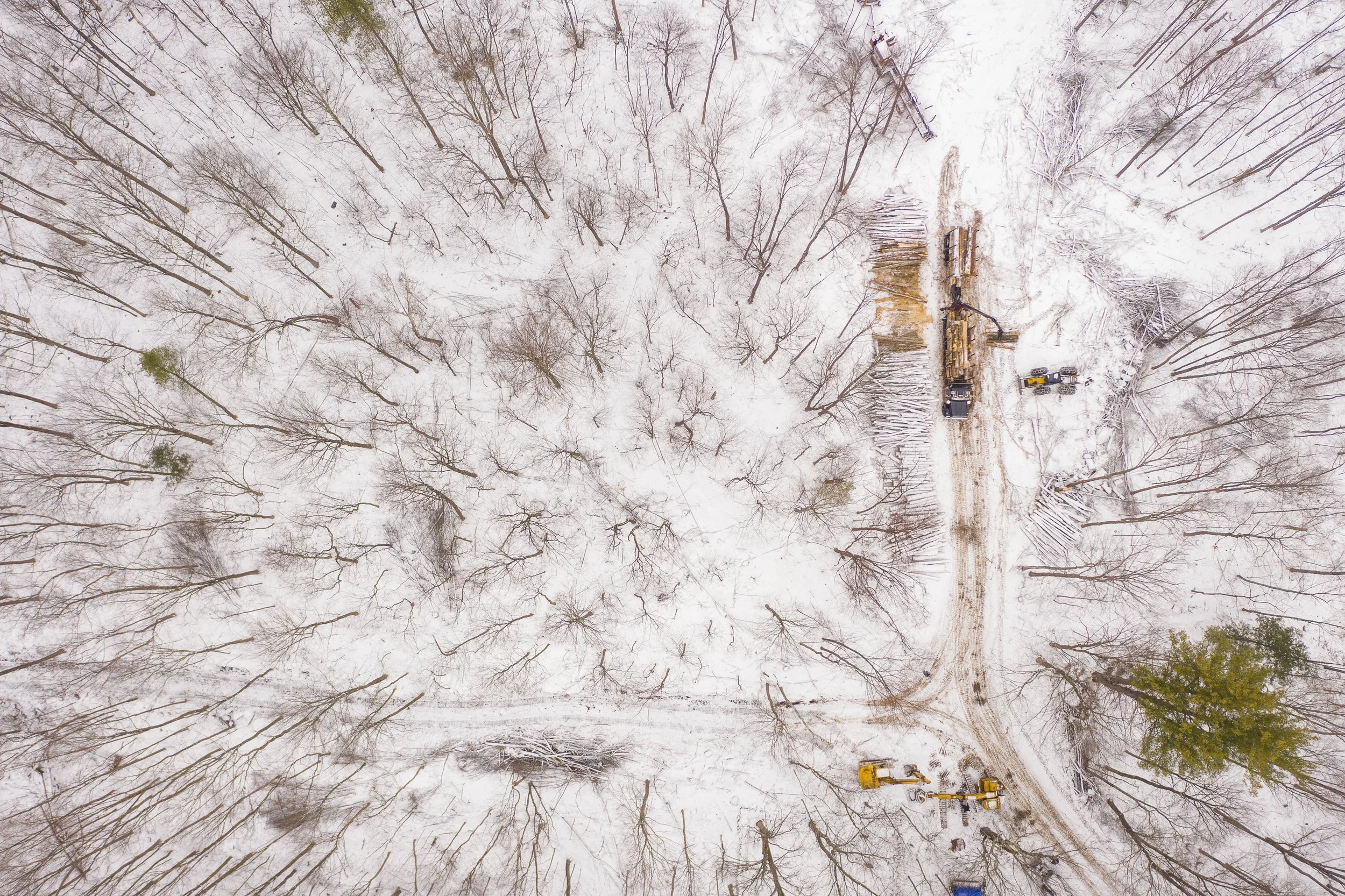
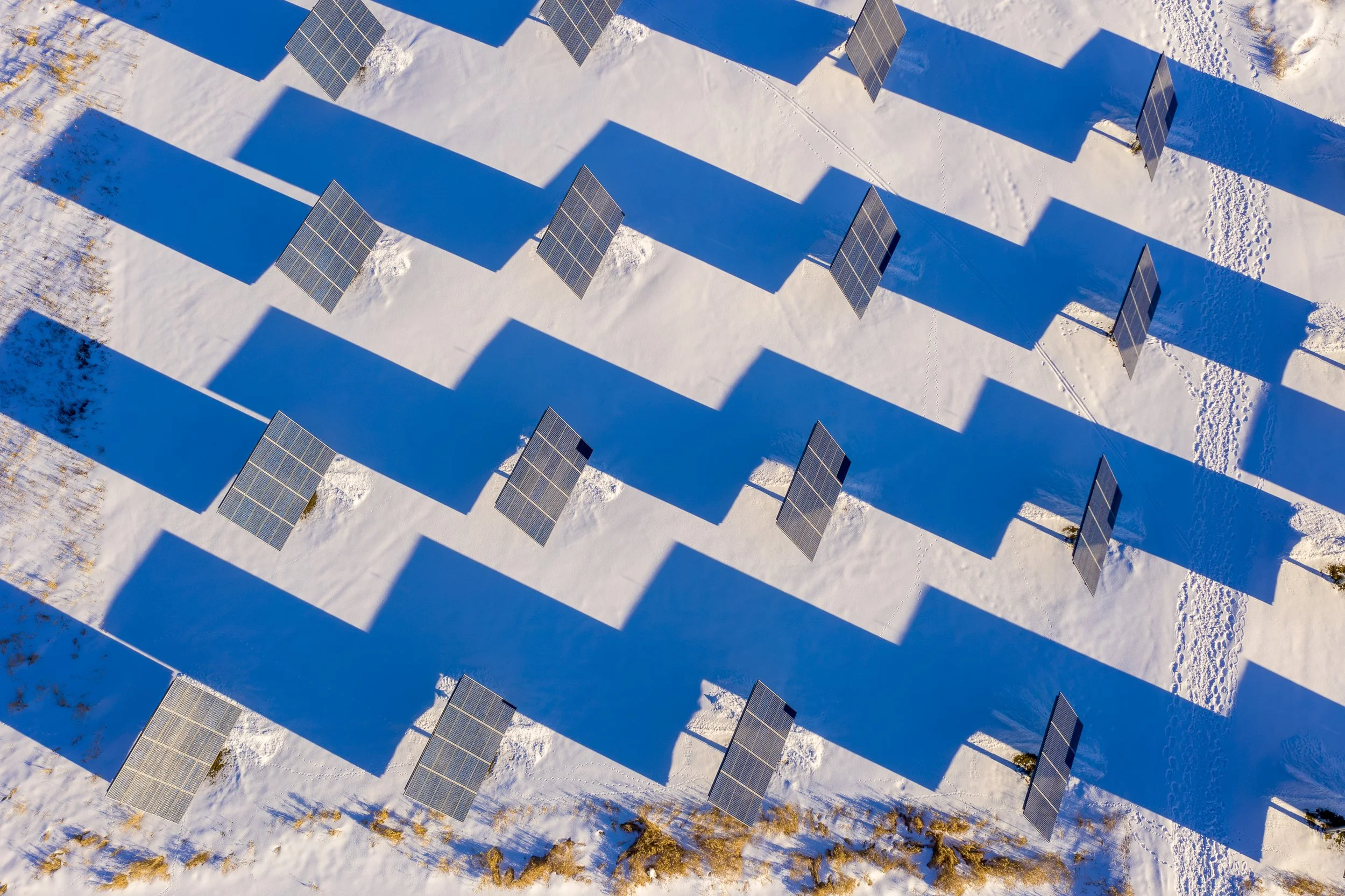
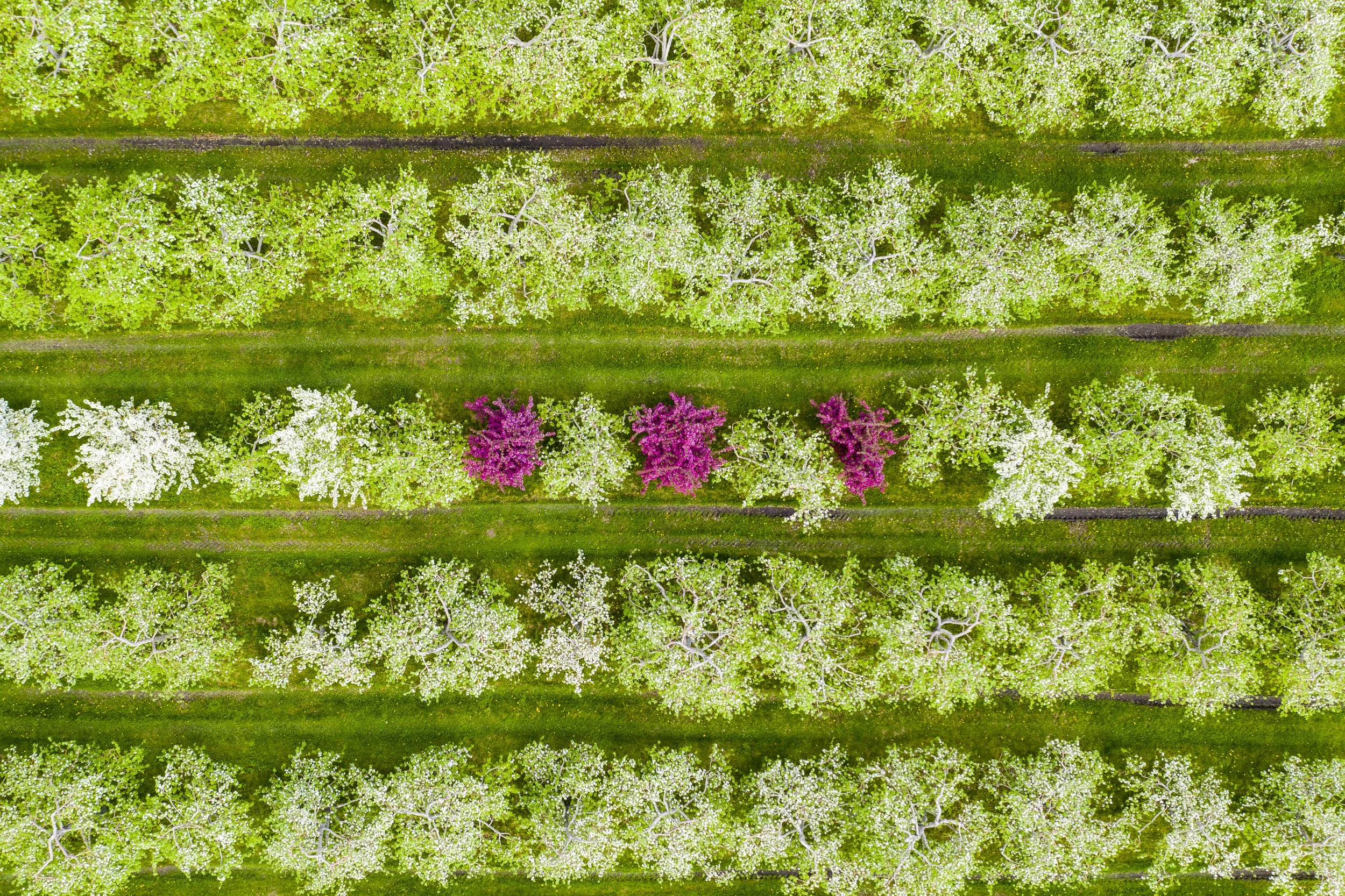
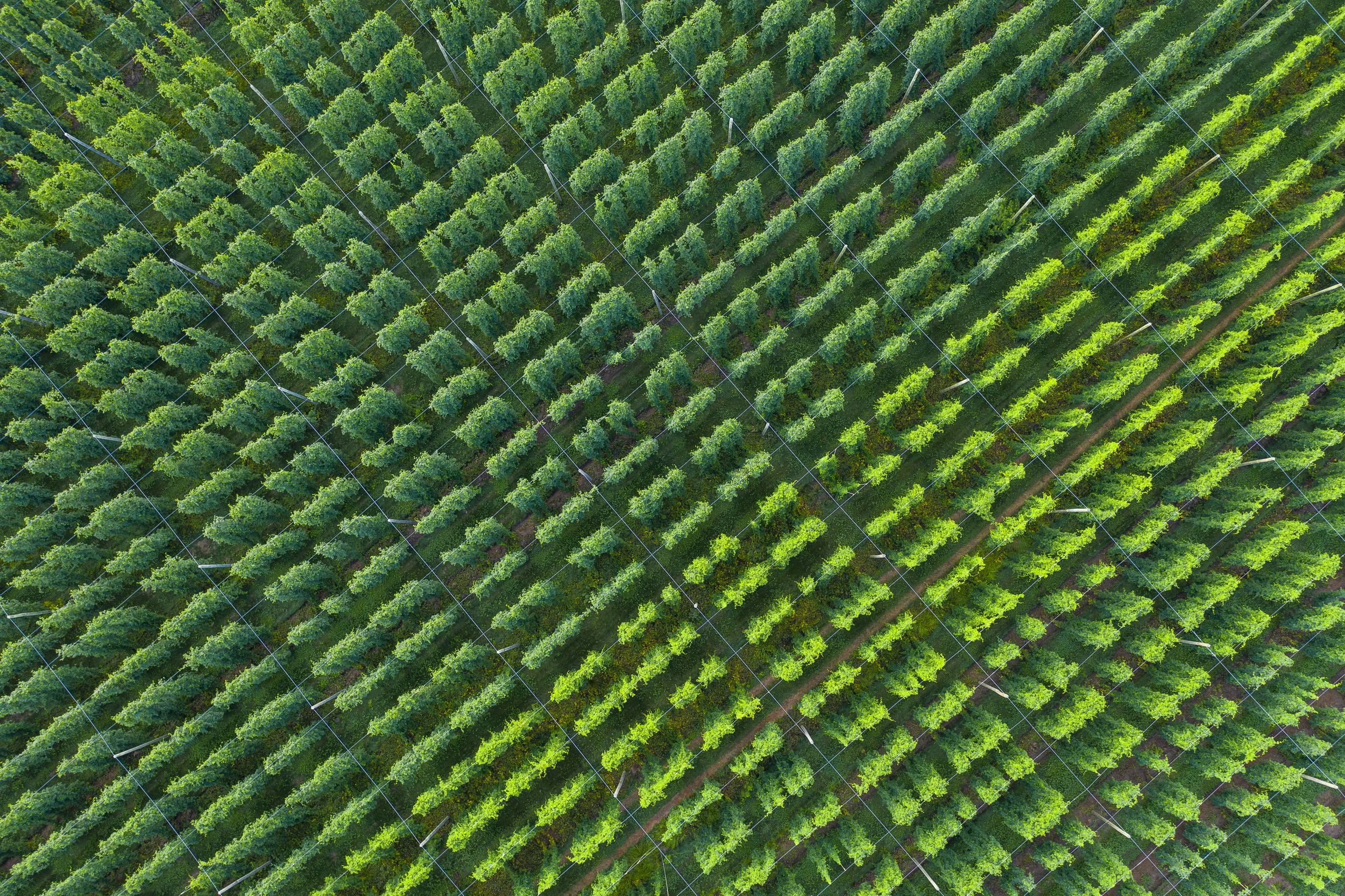
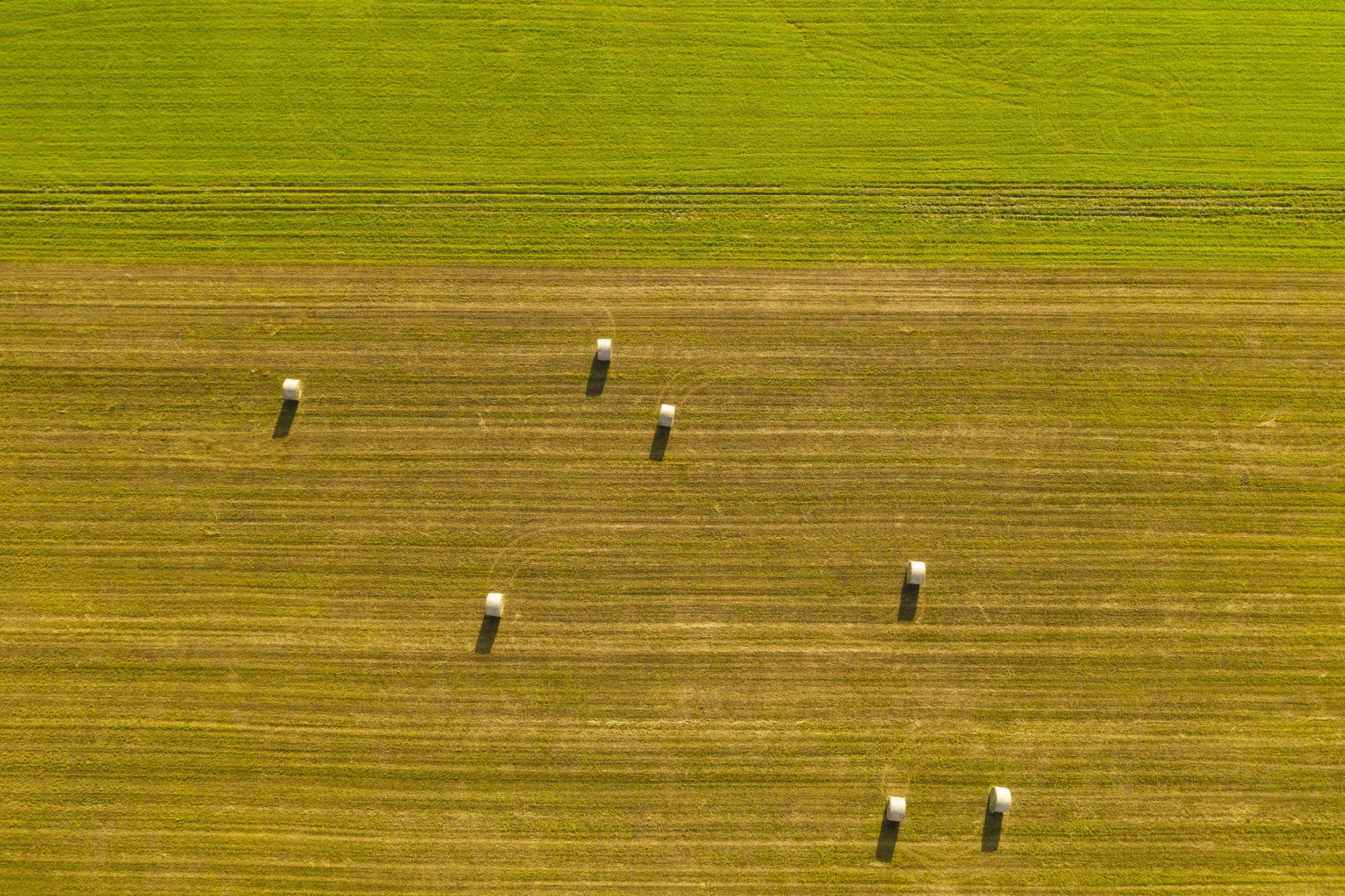
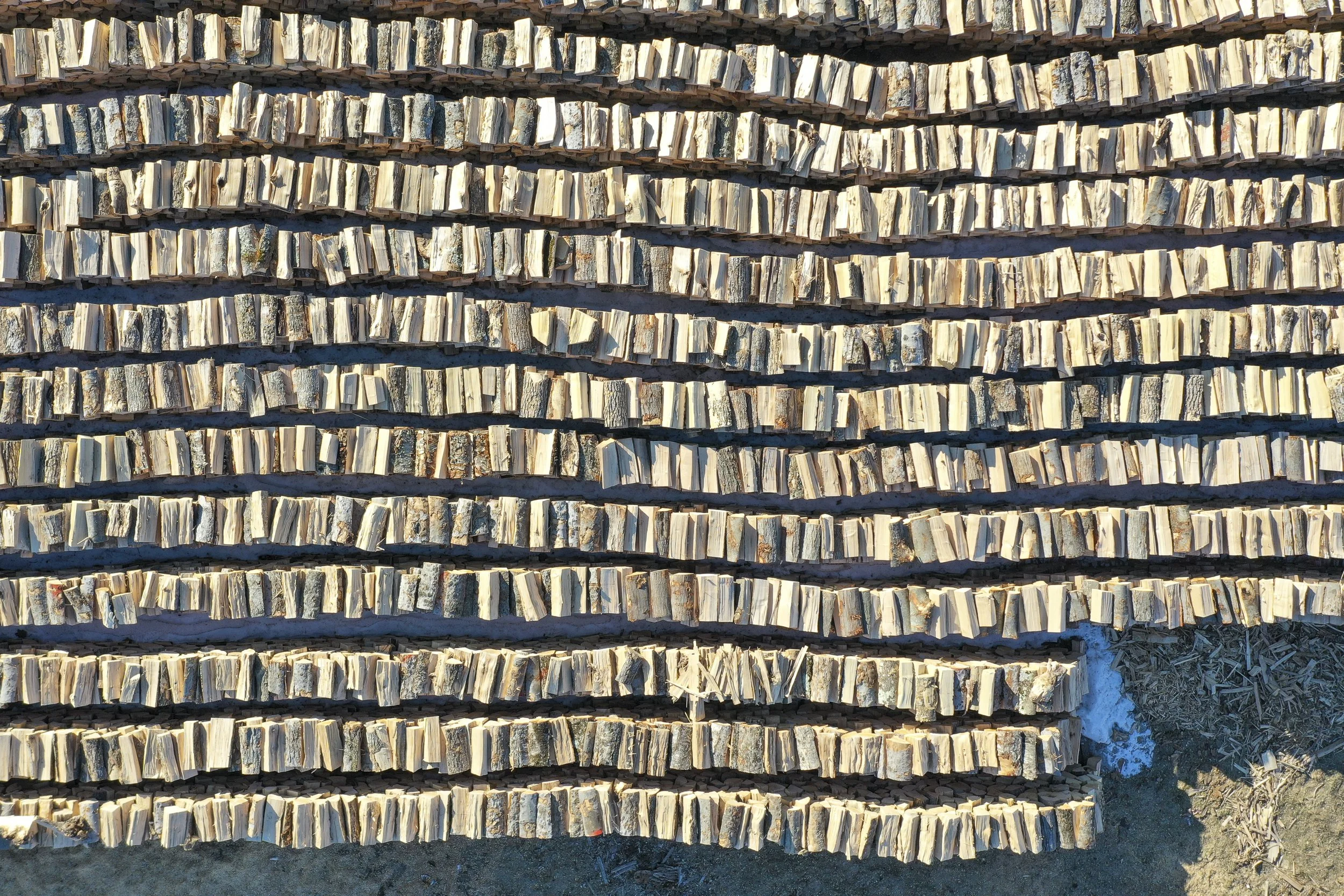
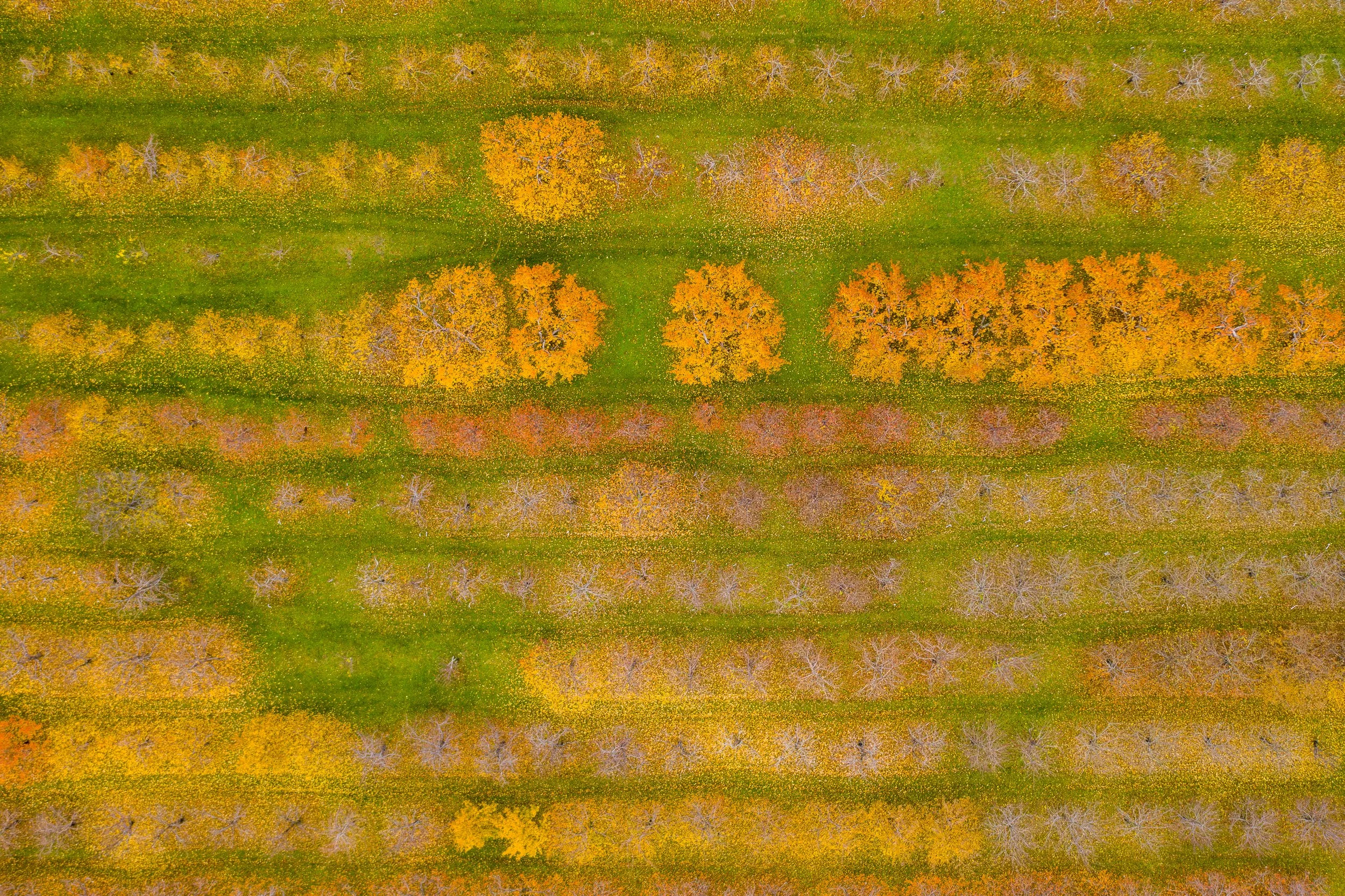
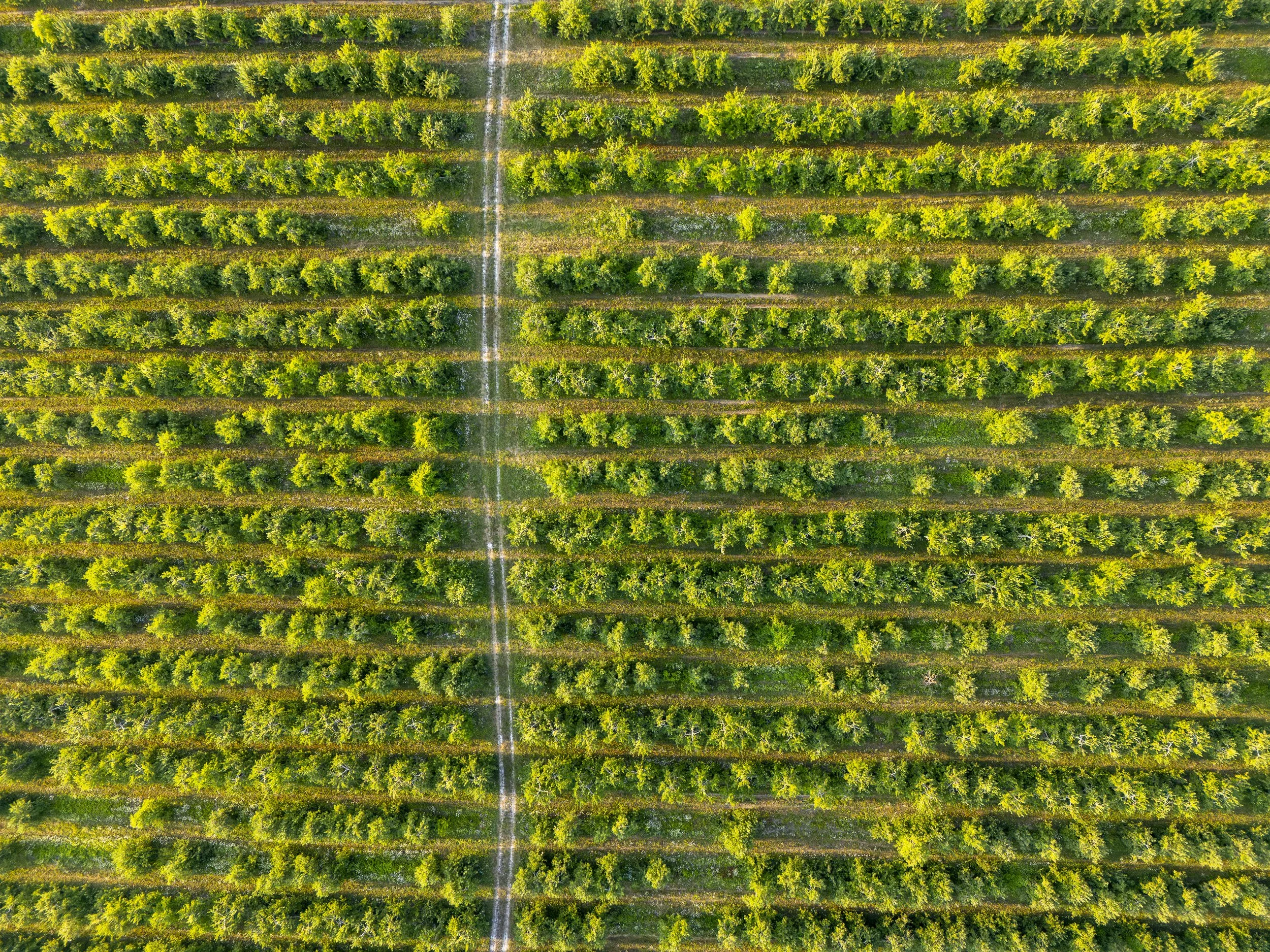
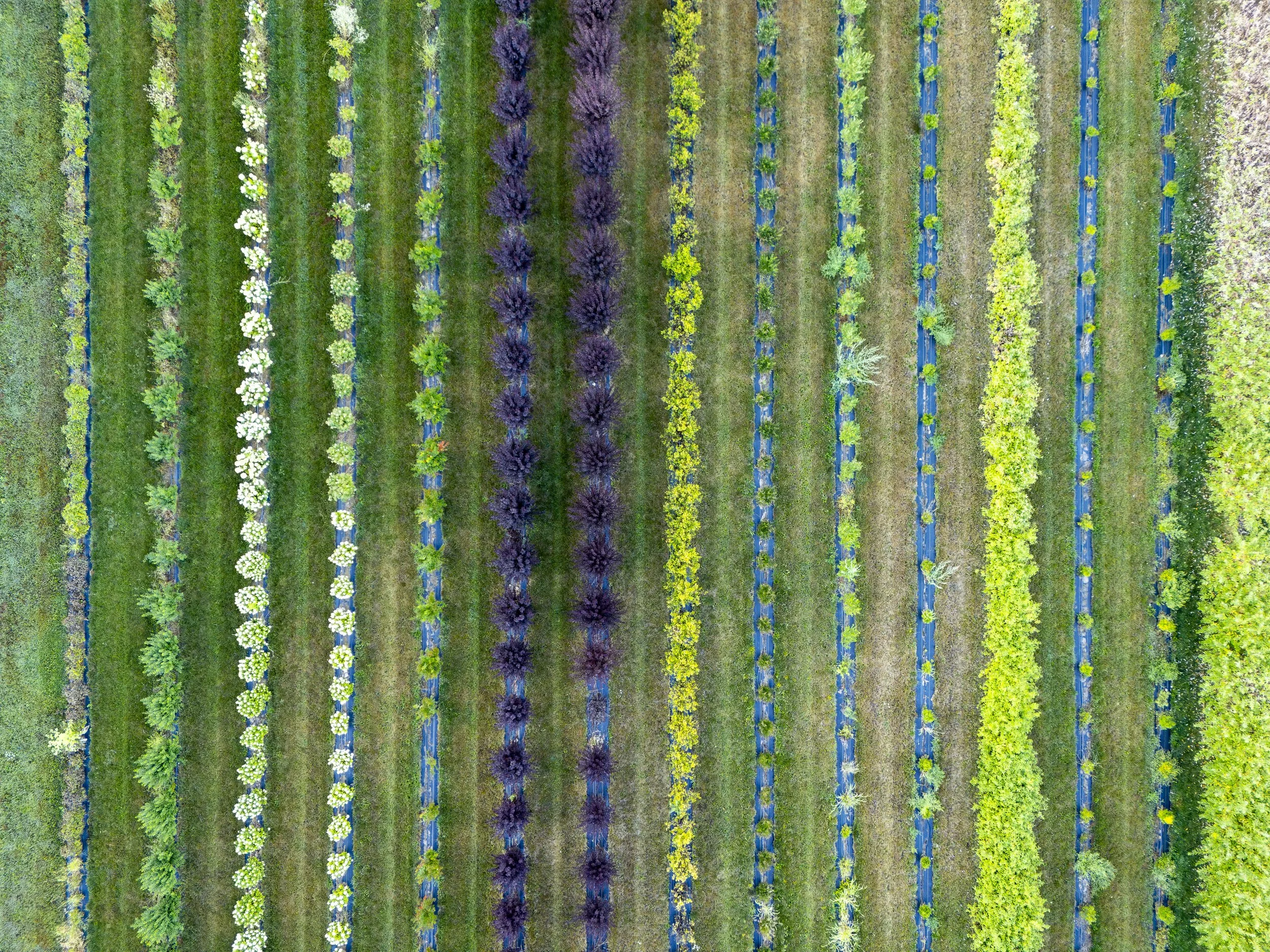
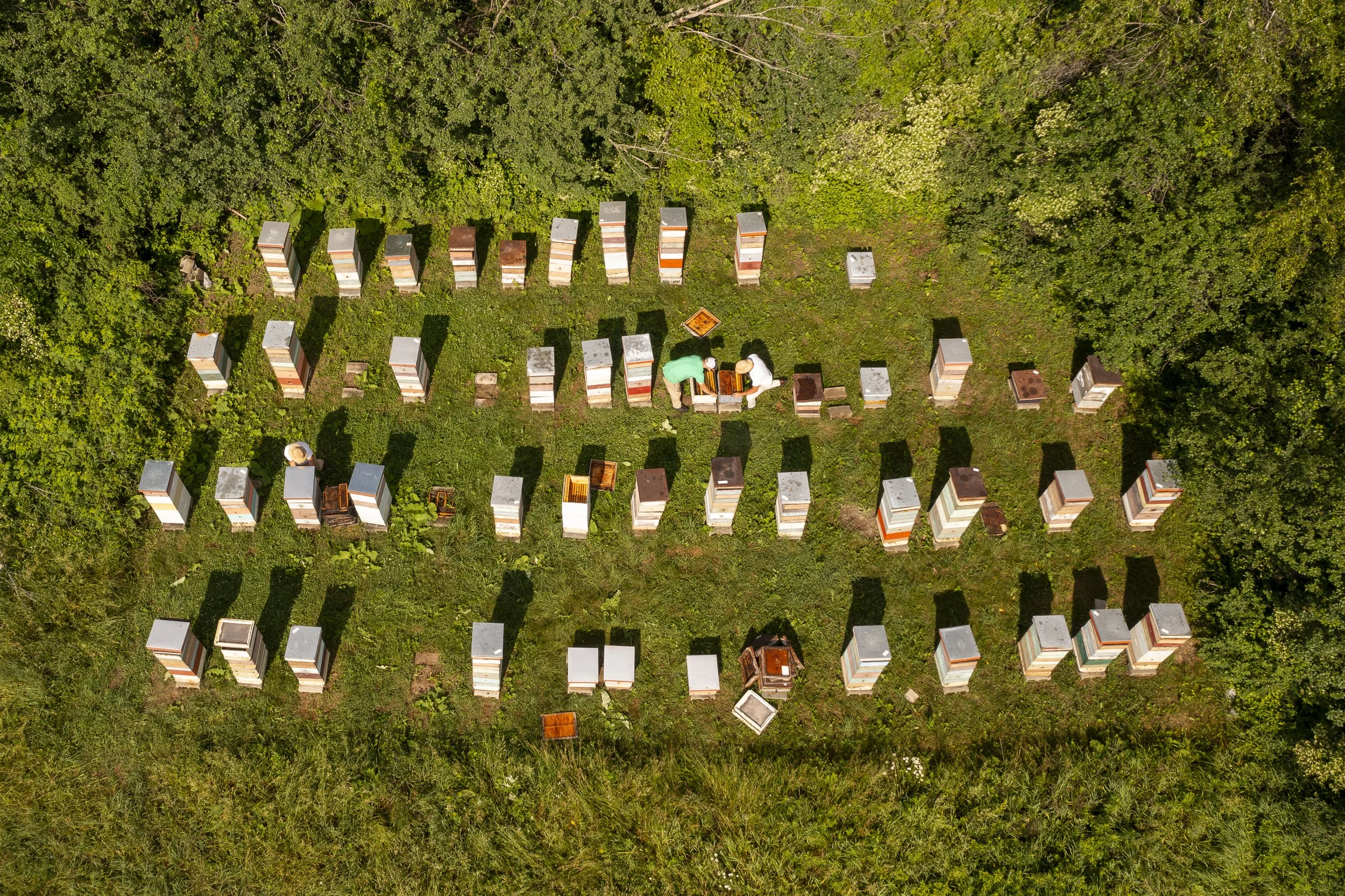
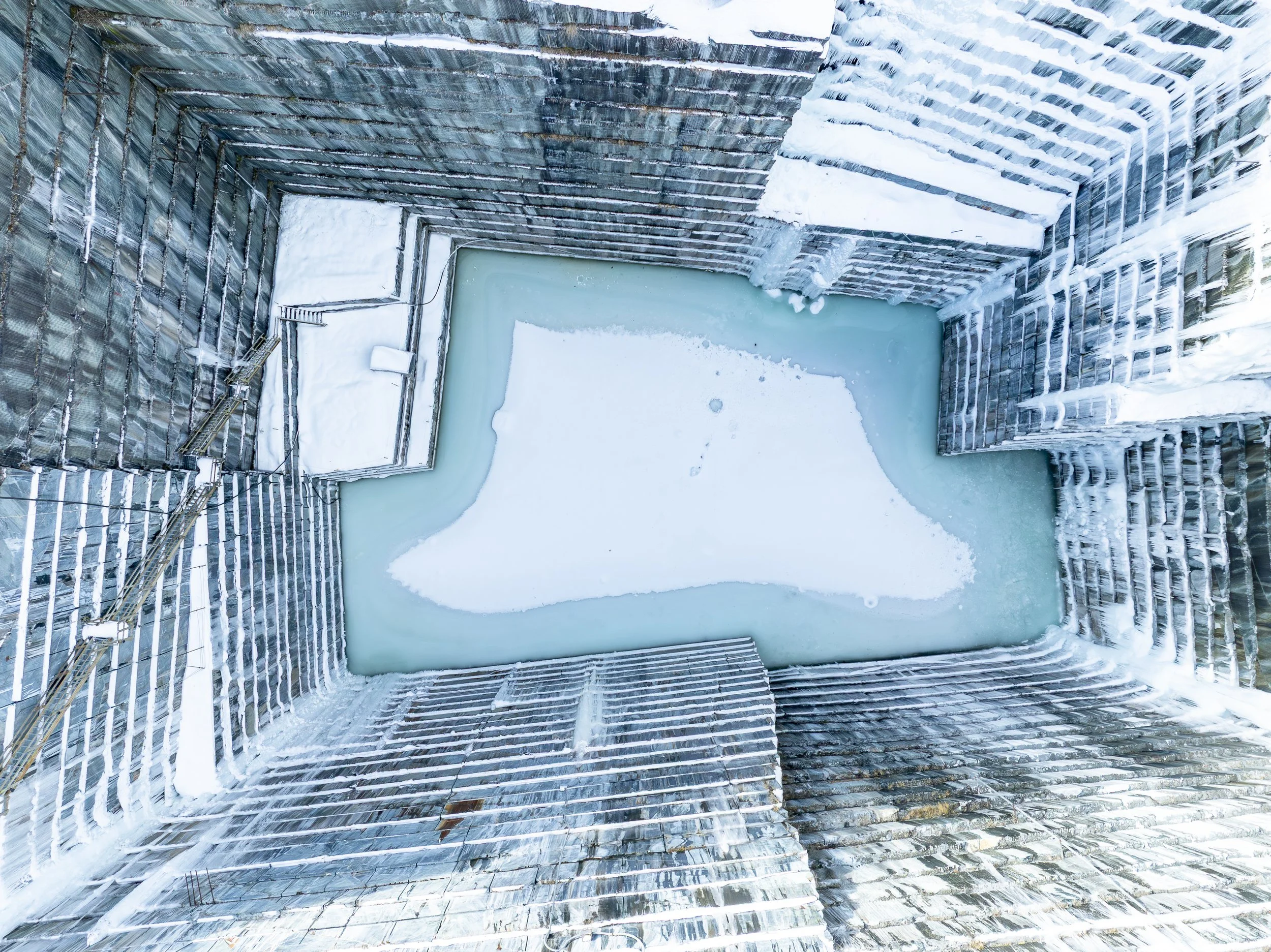
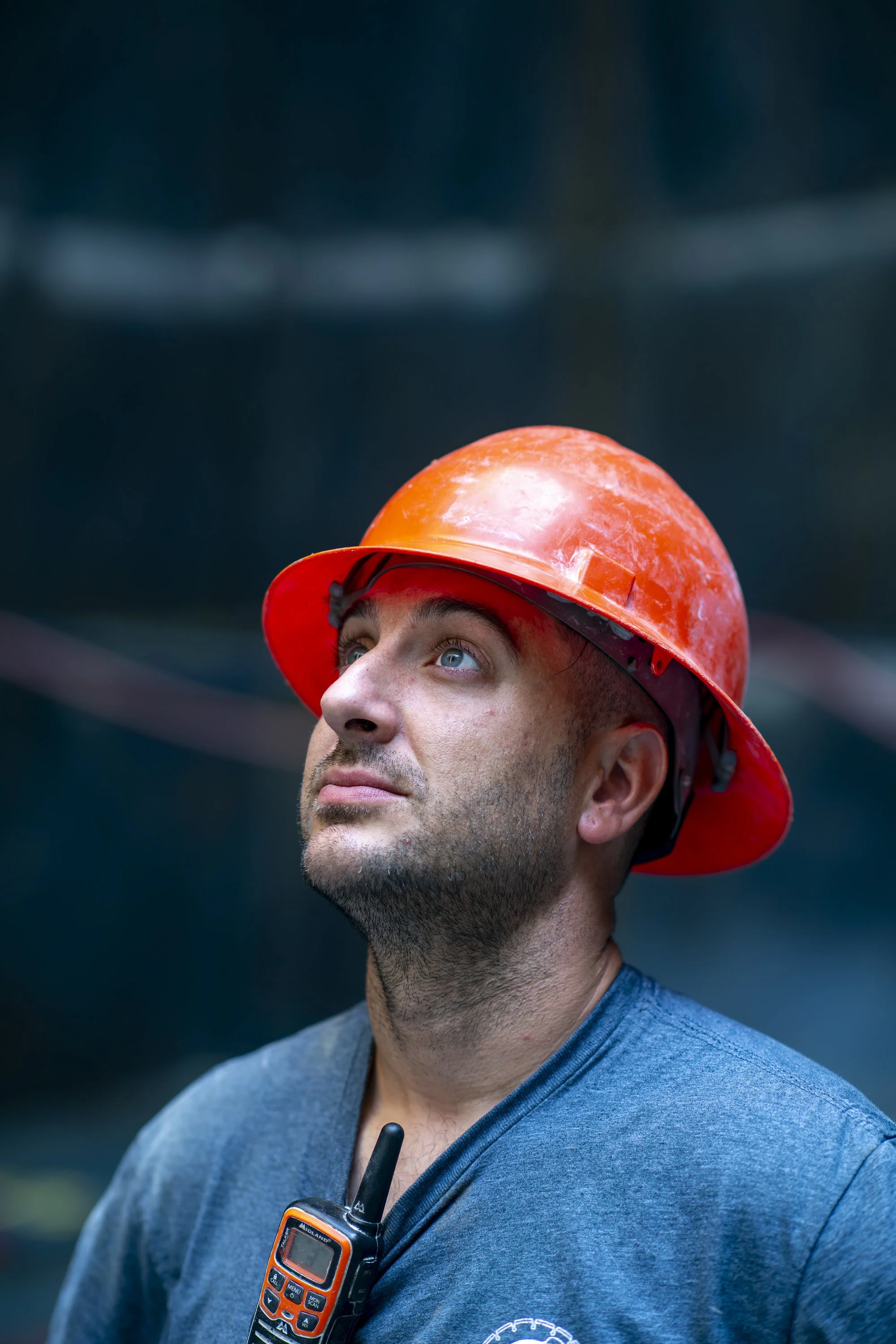
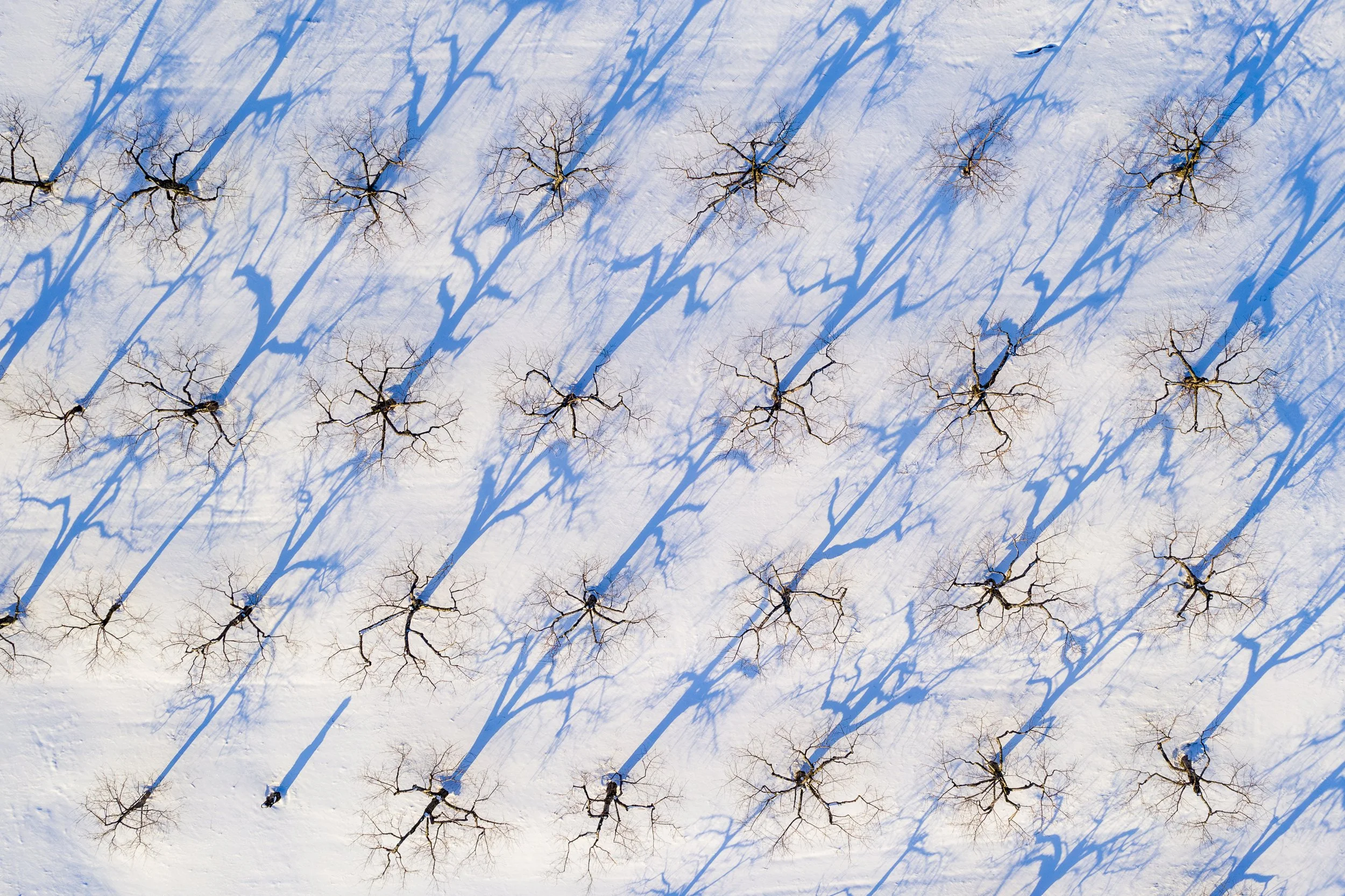
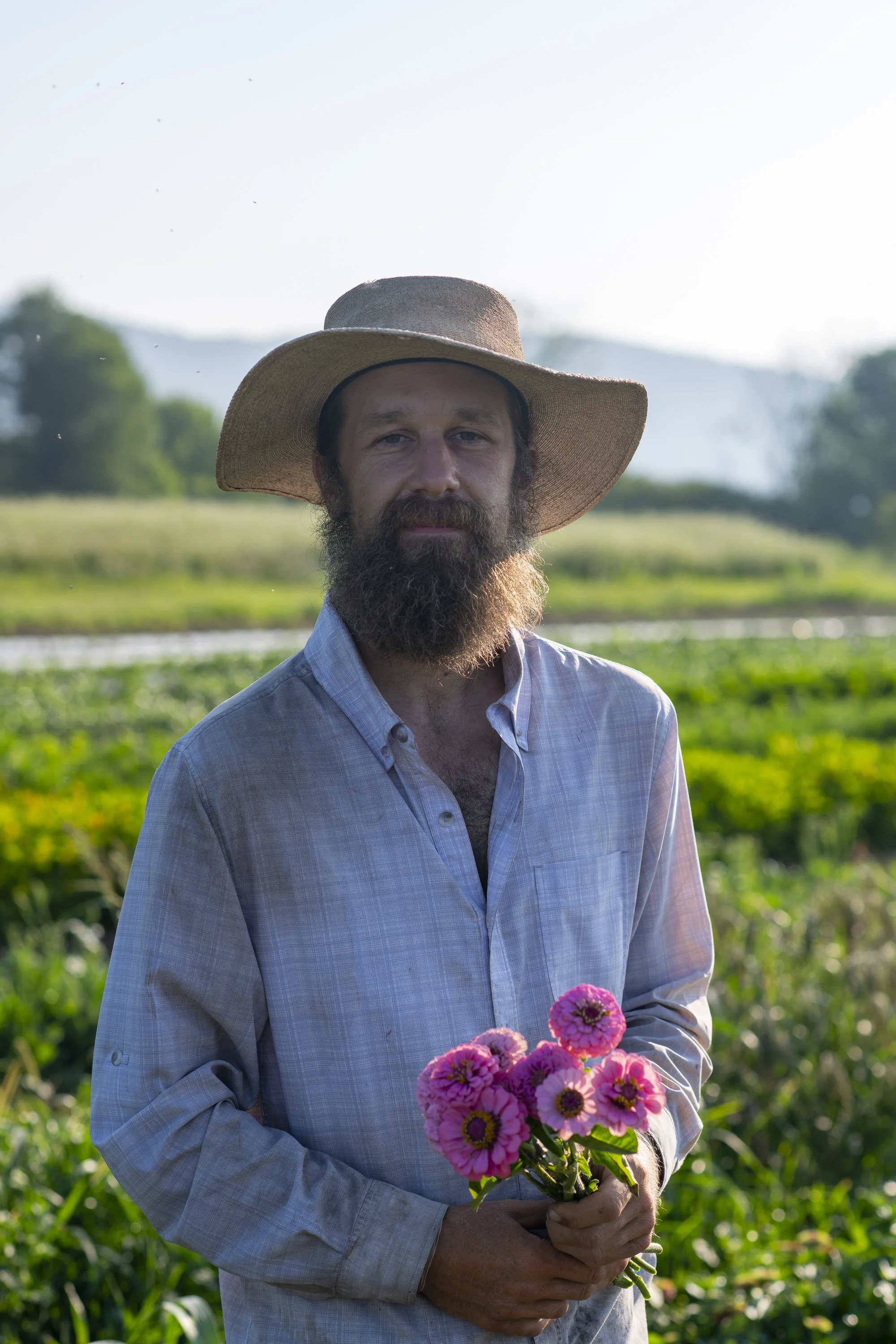
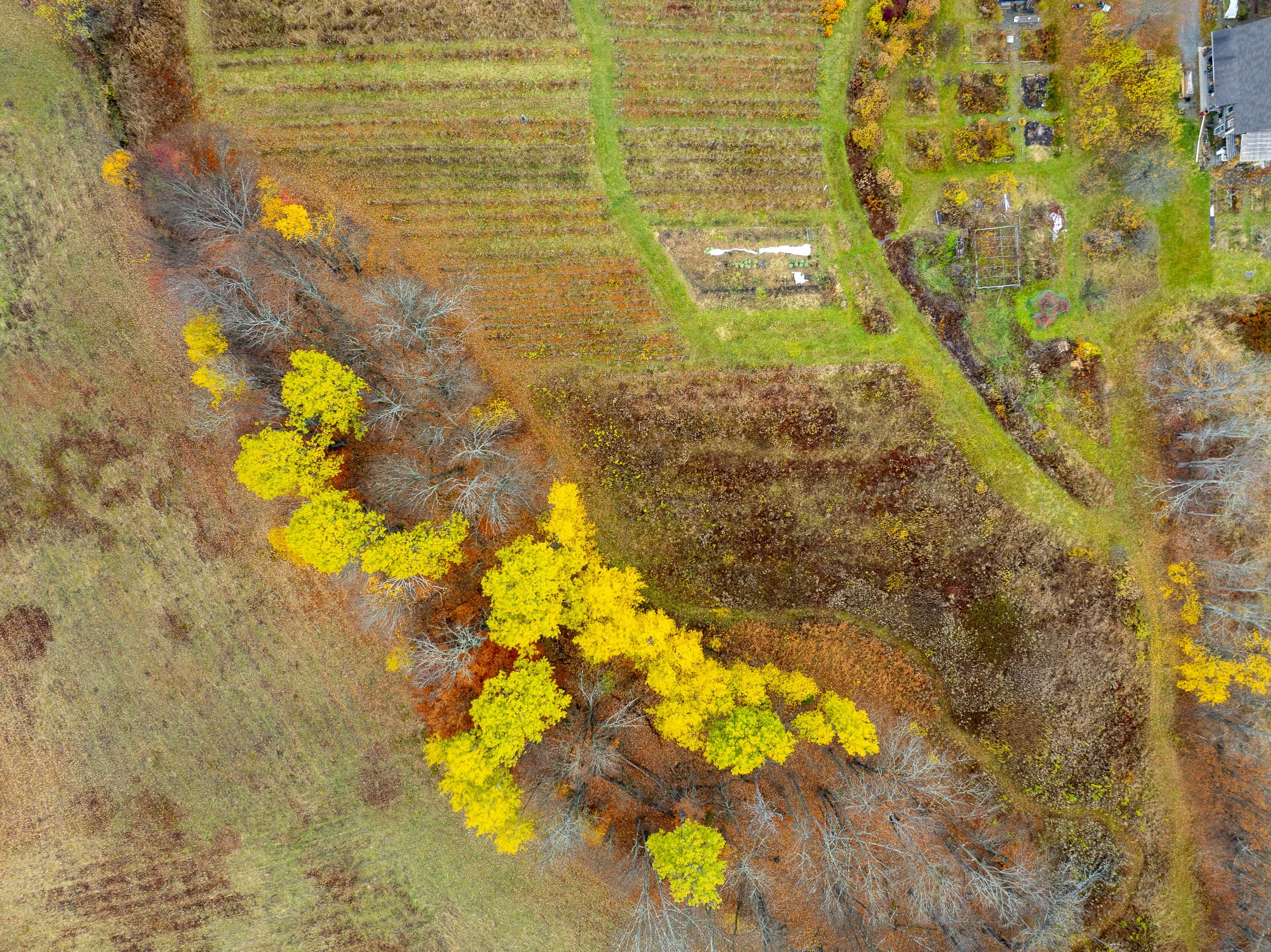
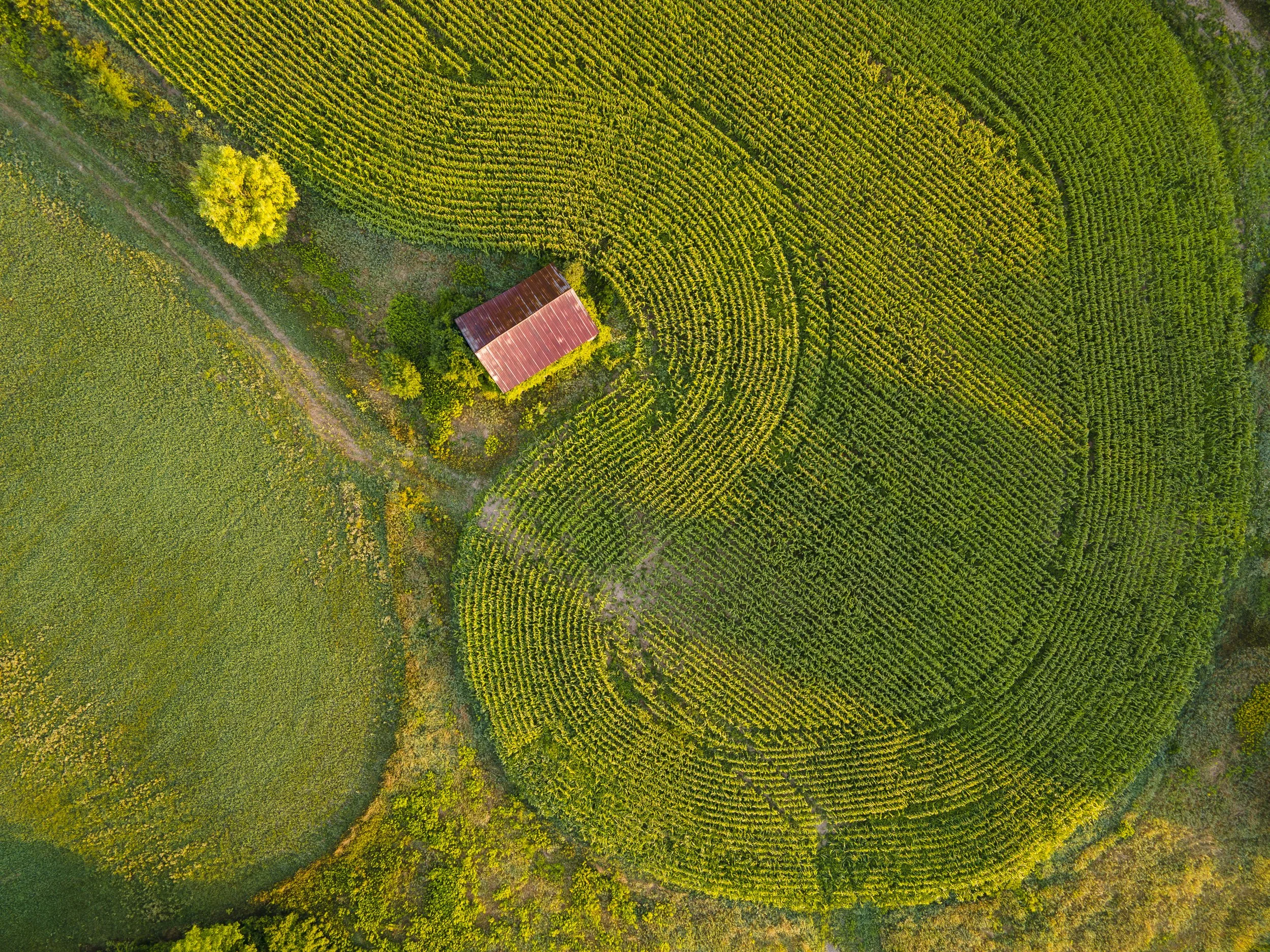
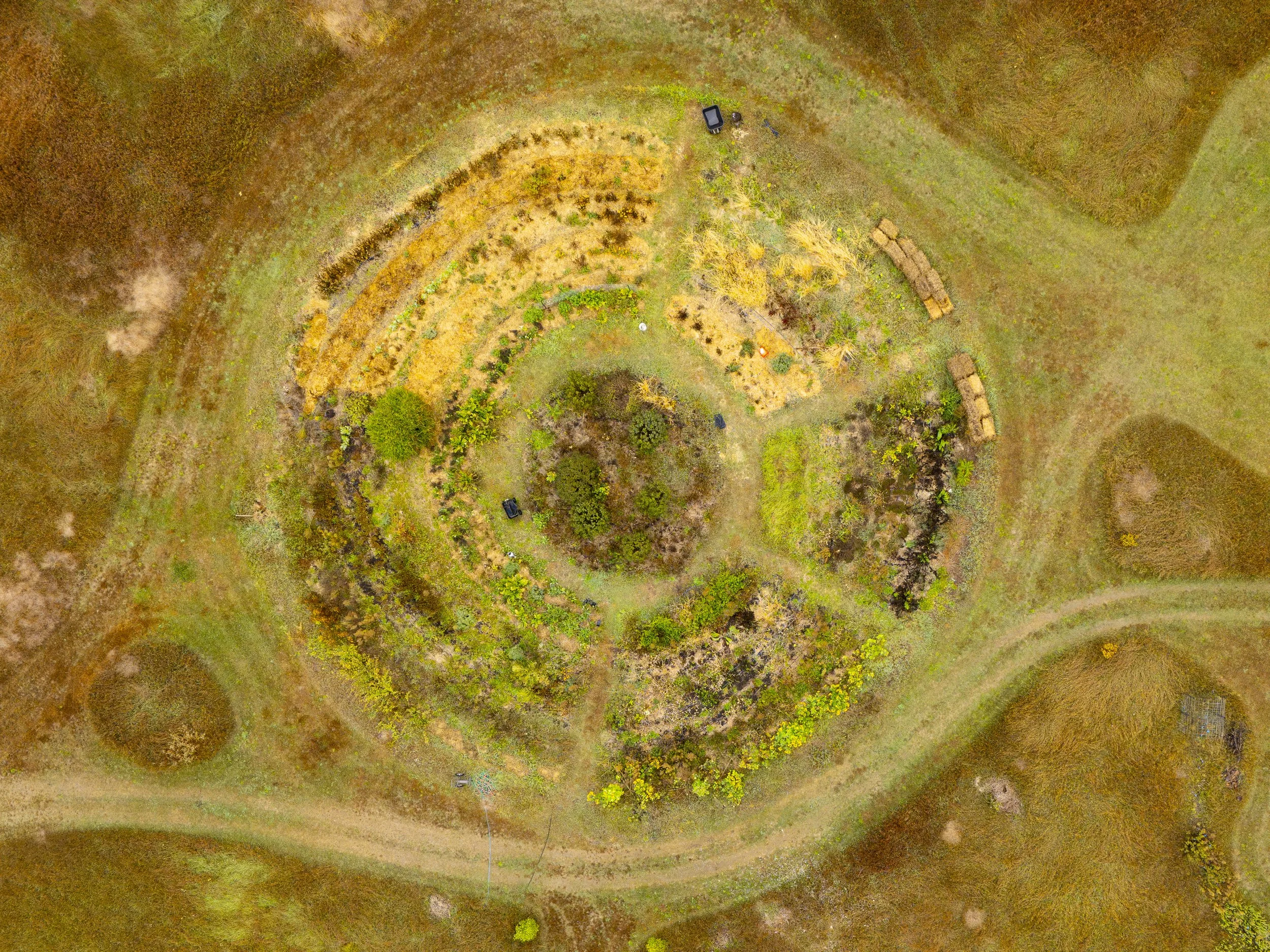
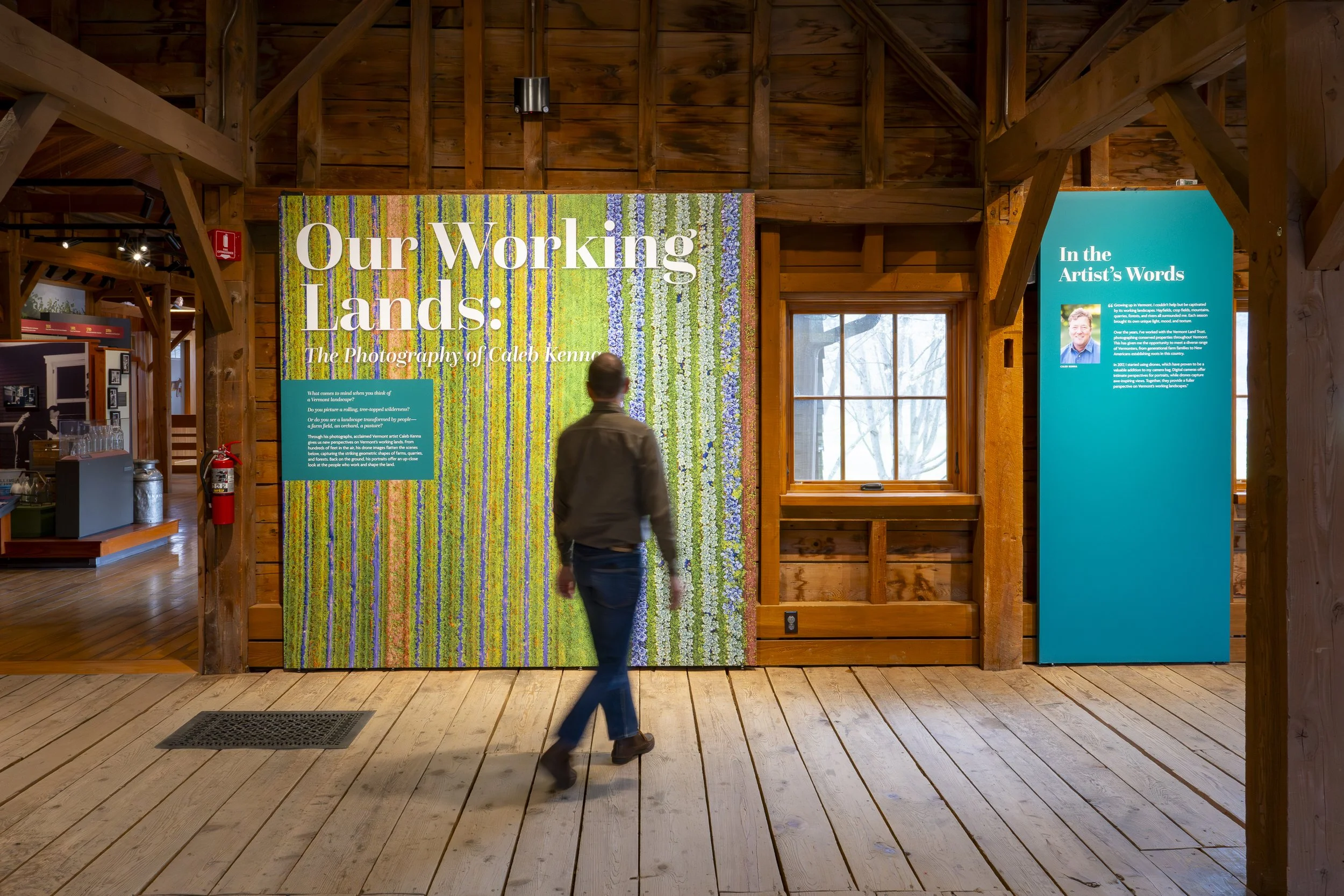
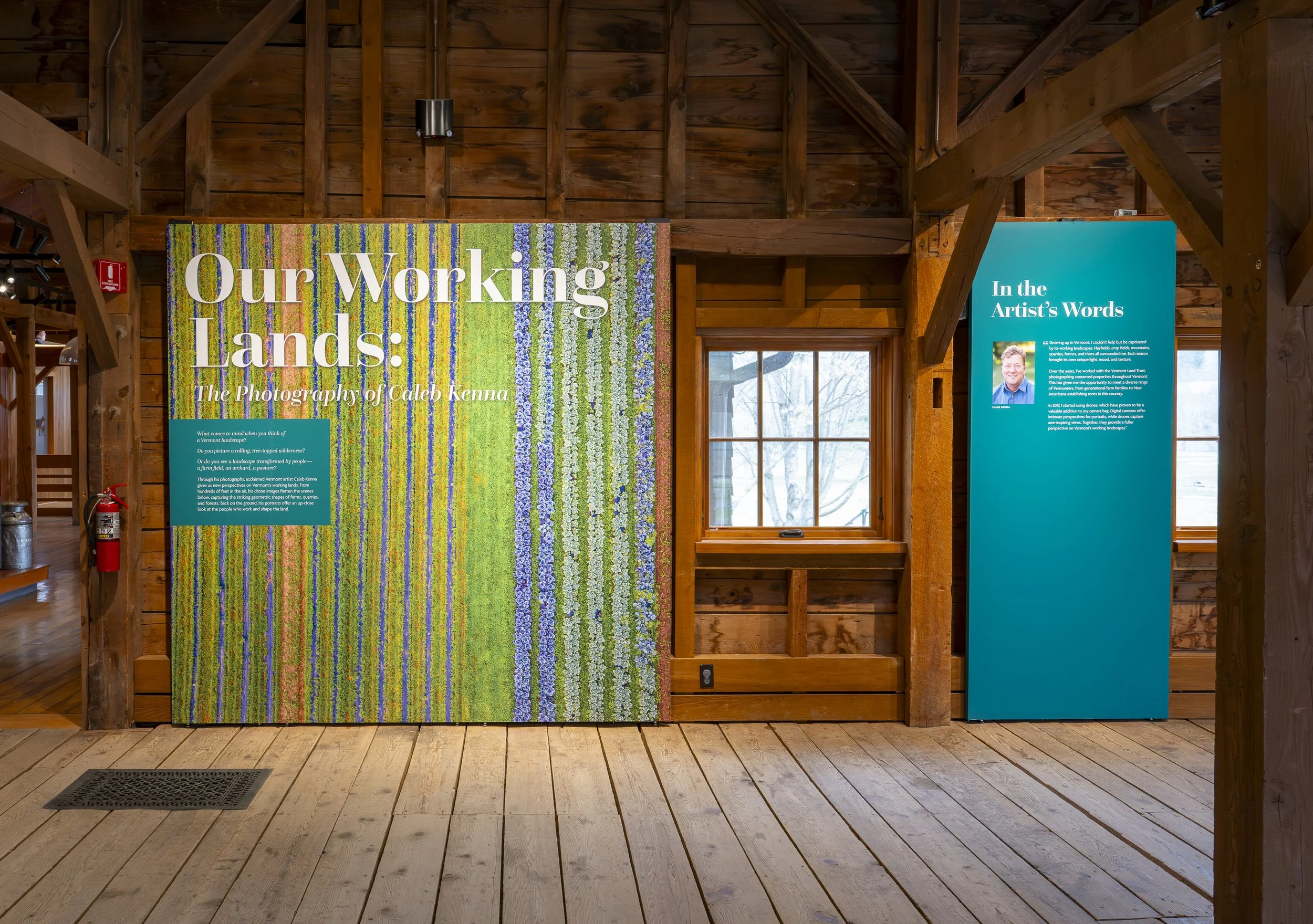
It feels natural to combine intimate portraits with abstract aerial landscapes. I began using drones in 2017, discovering a new way to see the familiar landscape from above. Digital cameras allow me to get close to people and make environmental portraits, while drones reveal patterns, textures, scale, and relationships that are invisible from the ground.
Together, these perspectives offer a fuller picture of Vermont’s working landscapes—not simply the land itself, but the people who live on it, work it, and shape it.