Quarries
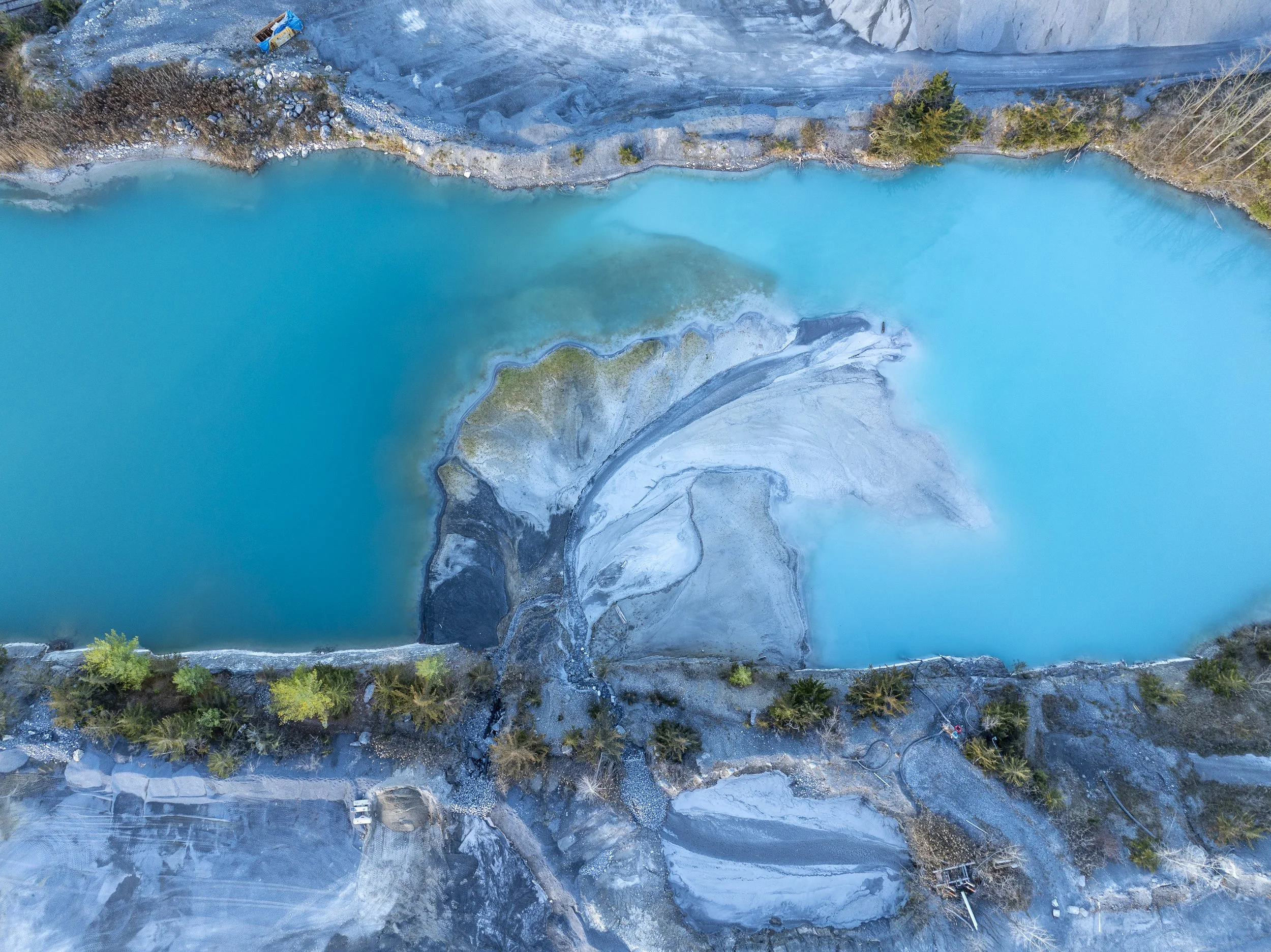
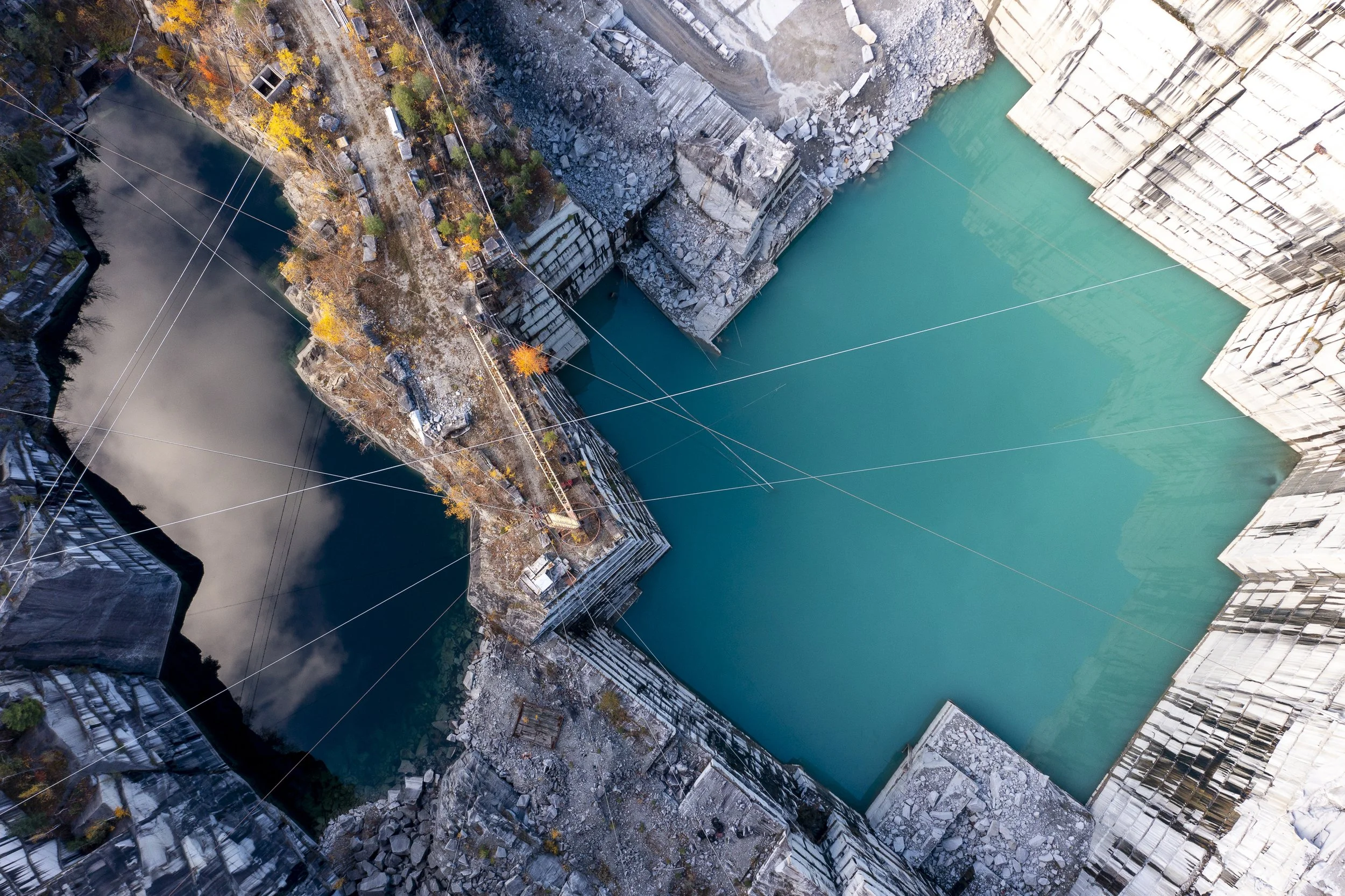
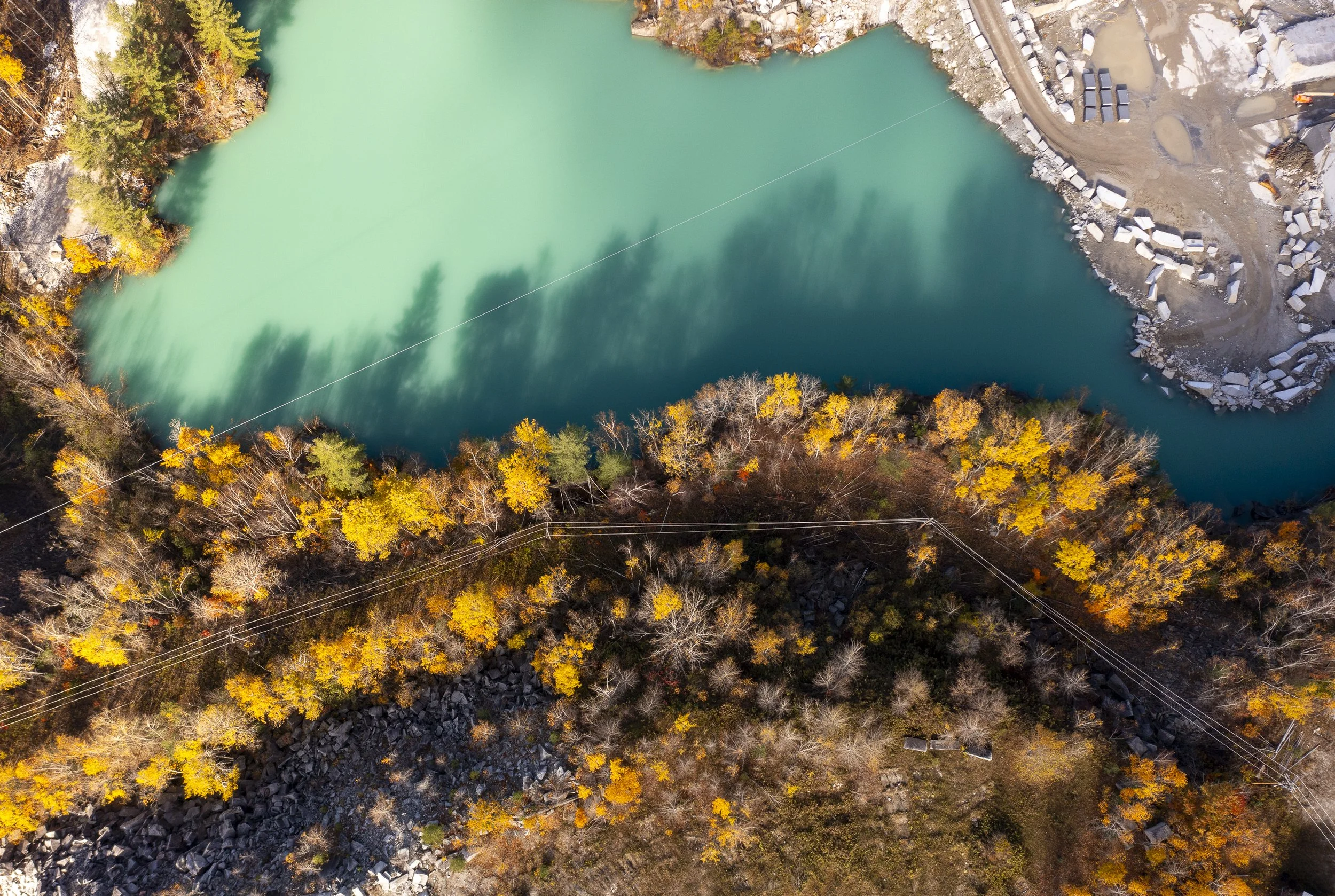
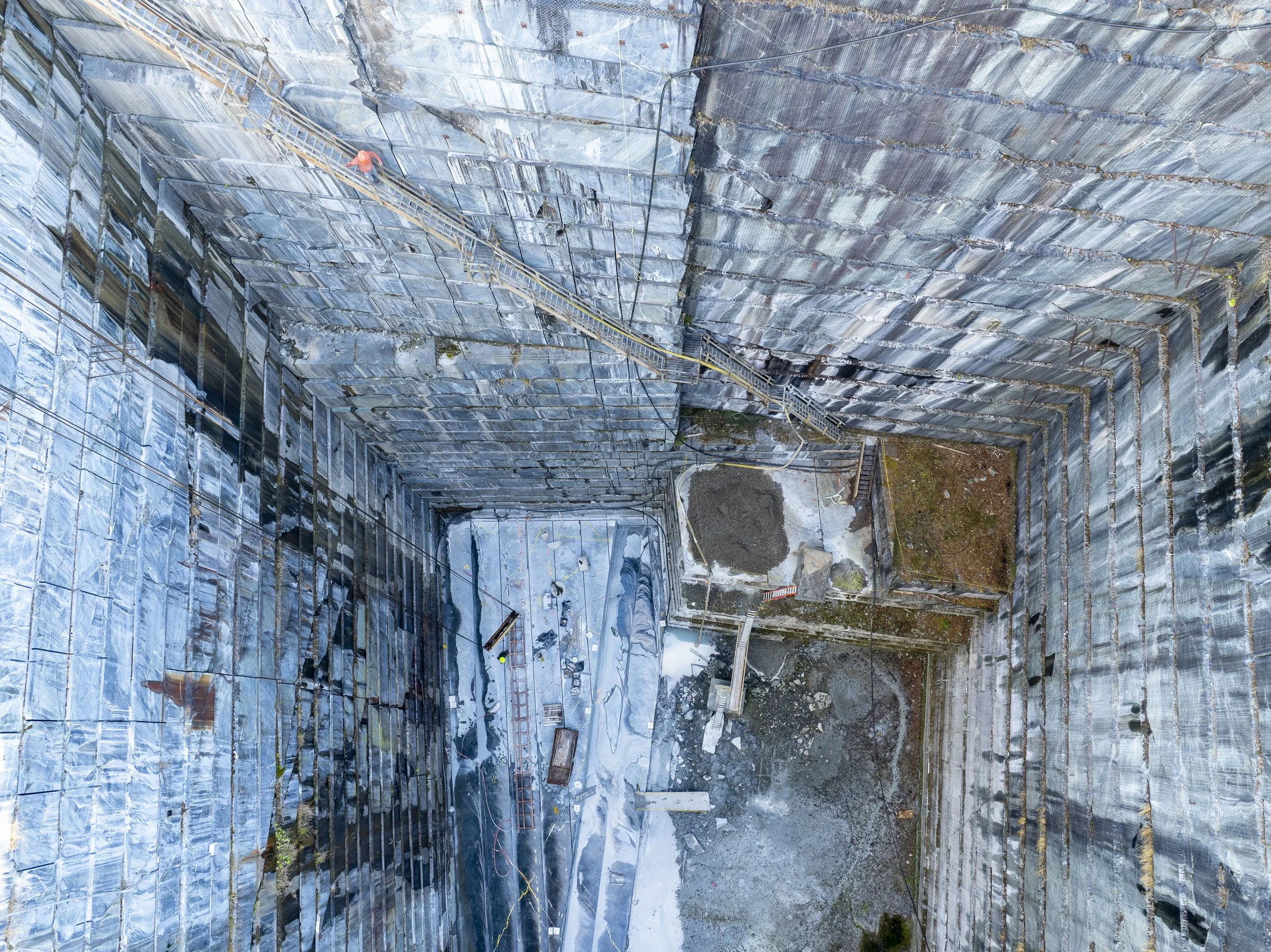
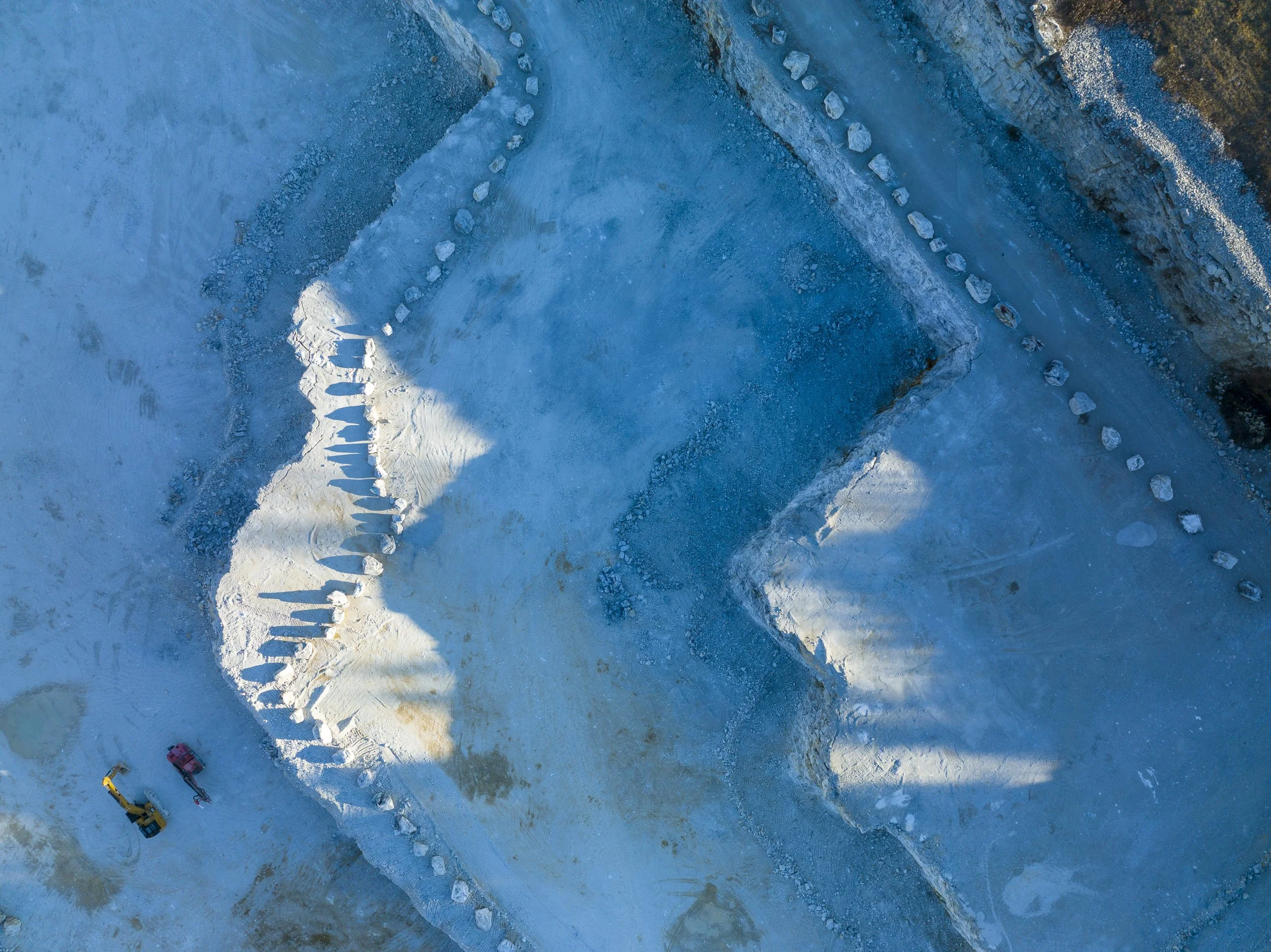
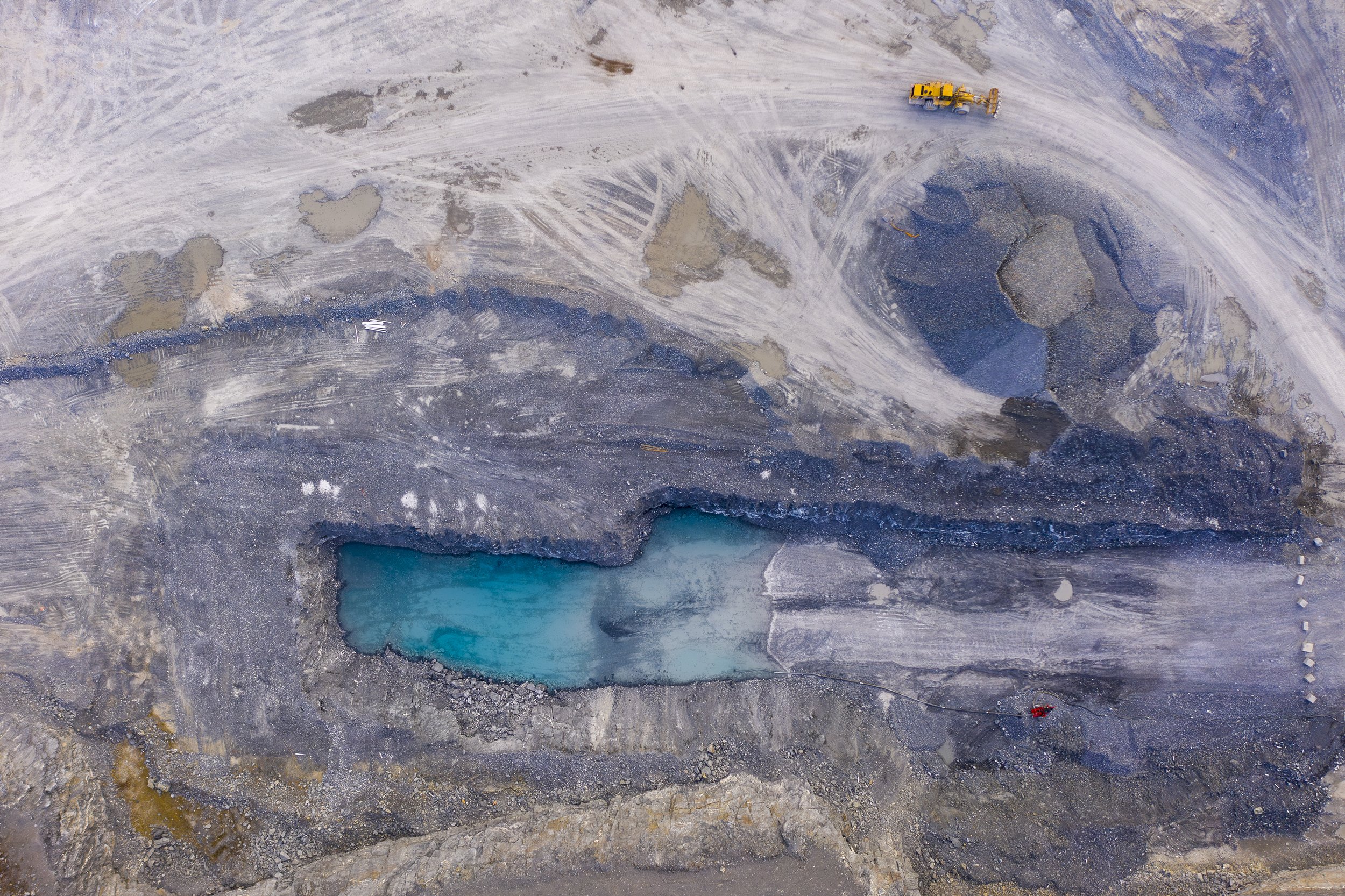
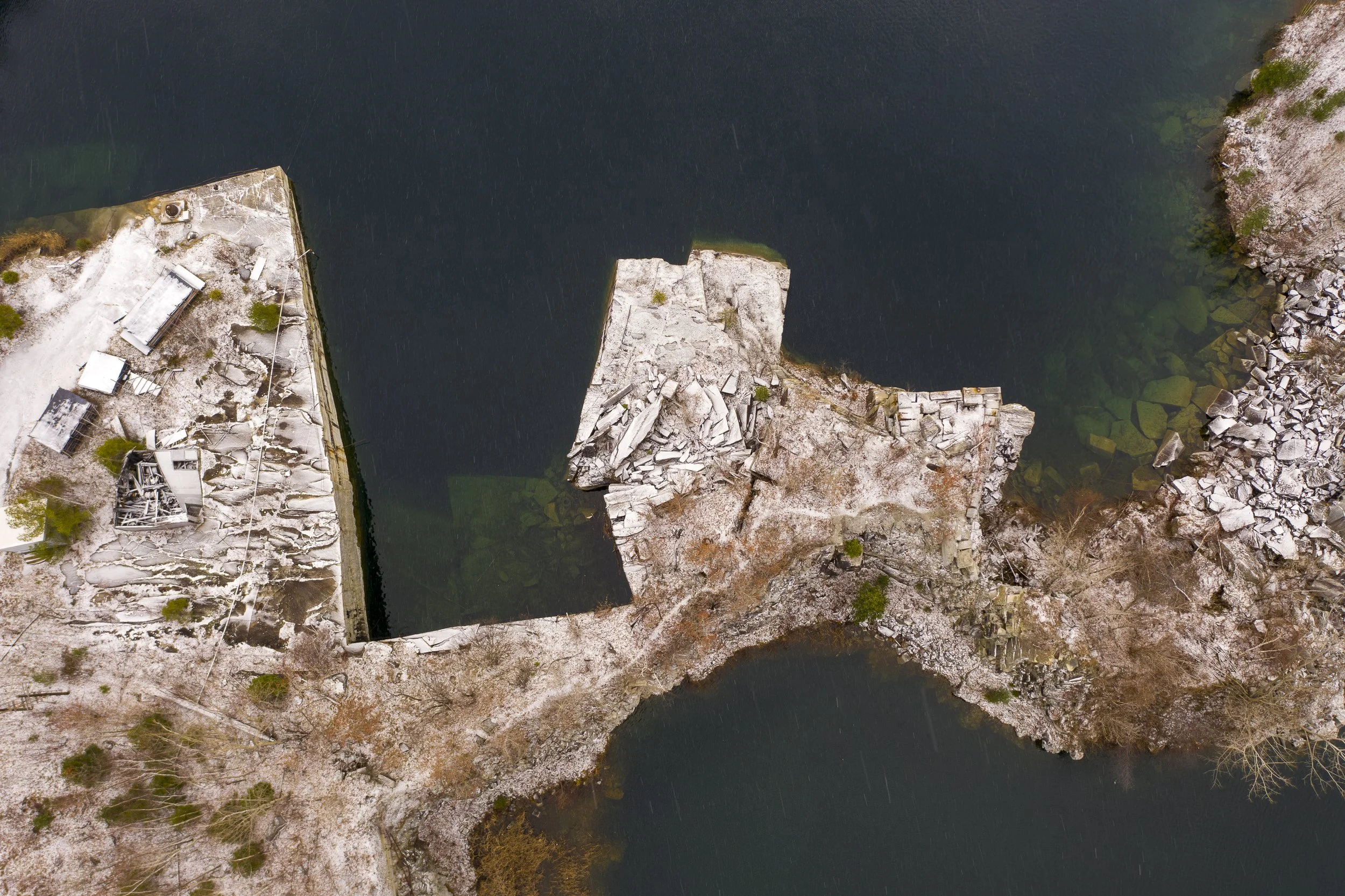
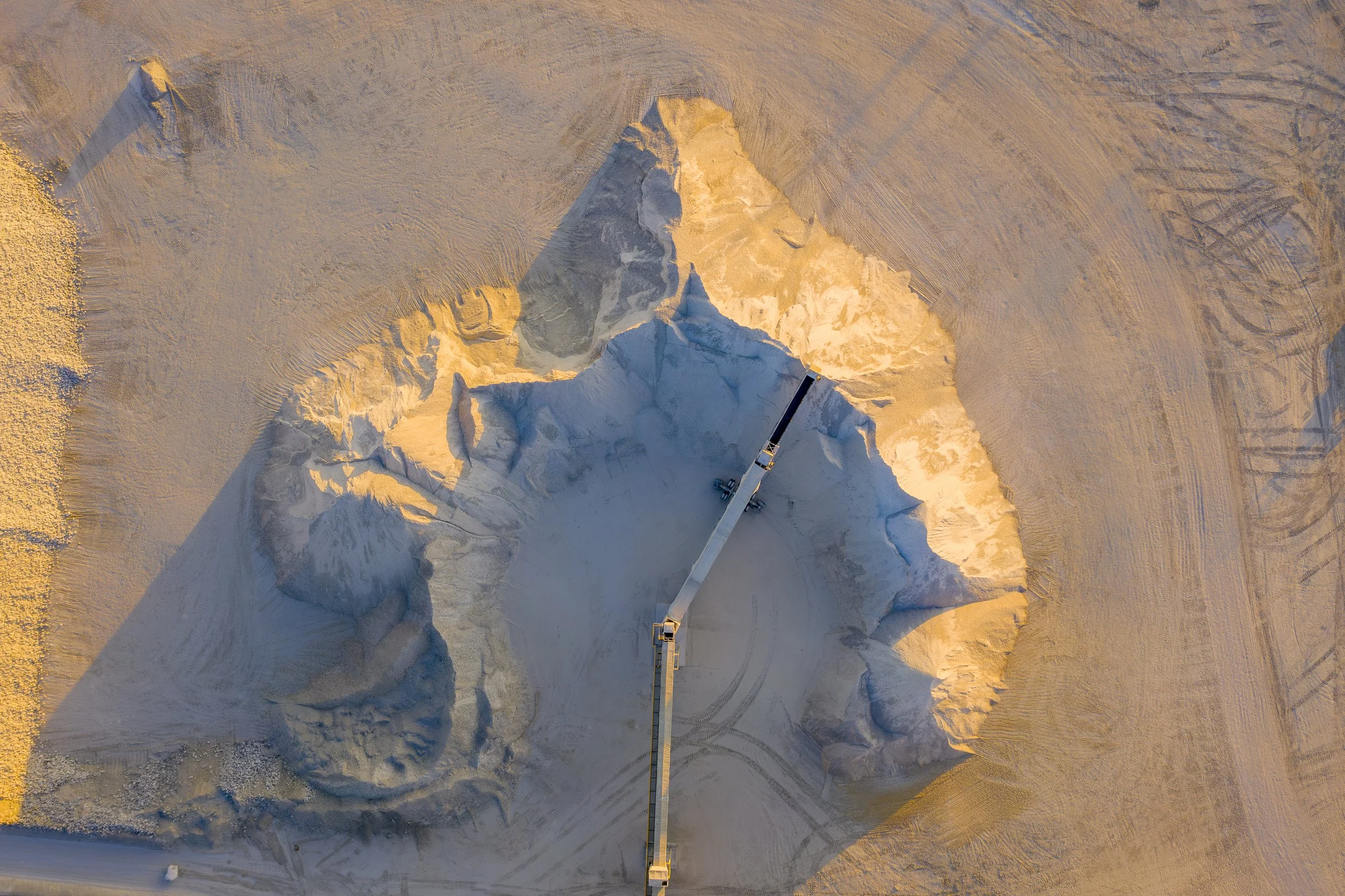
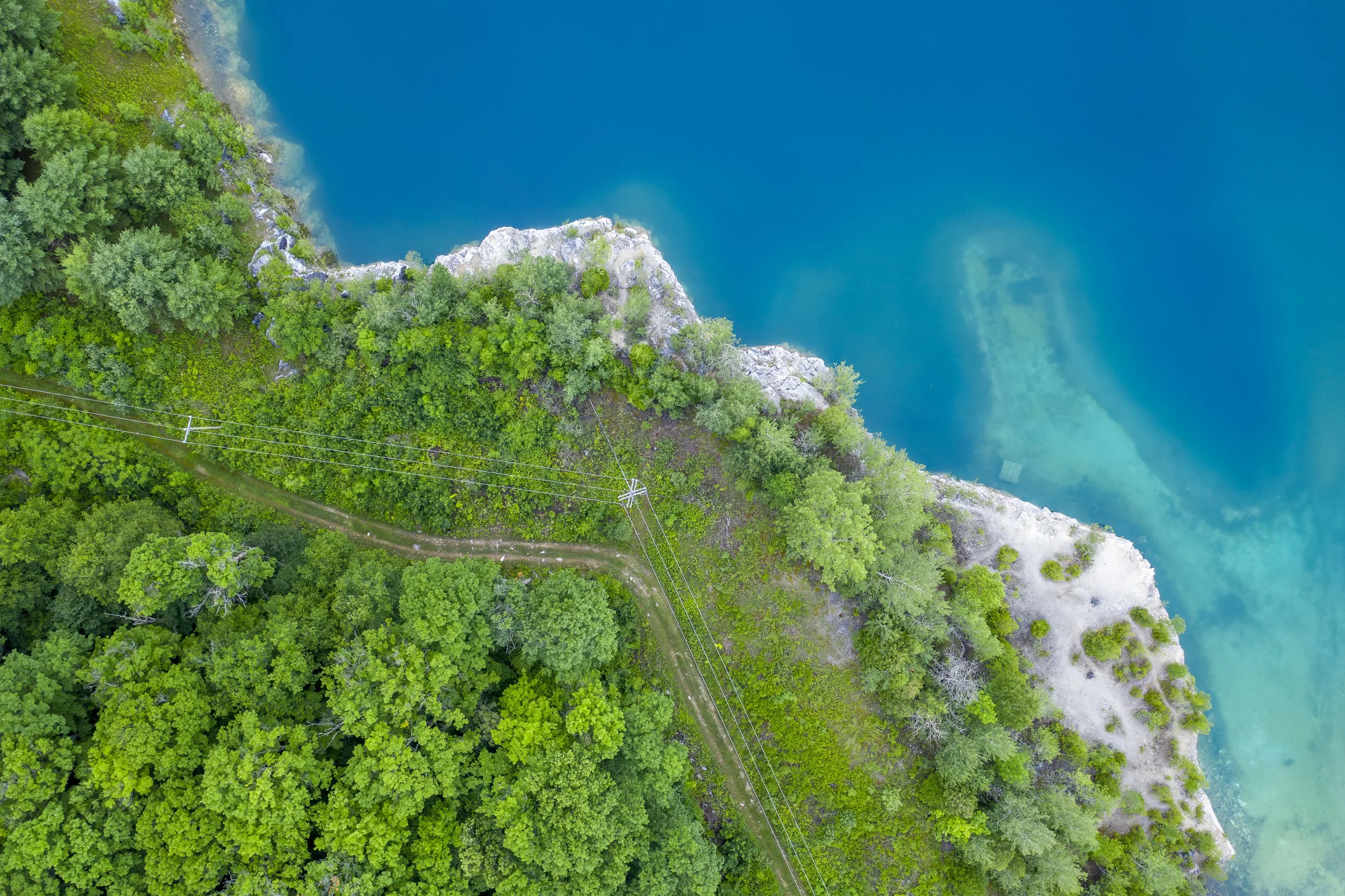
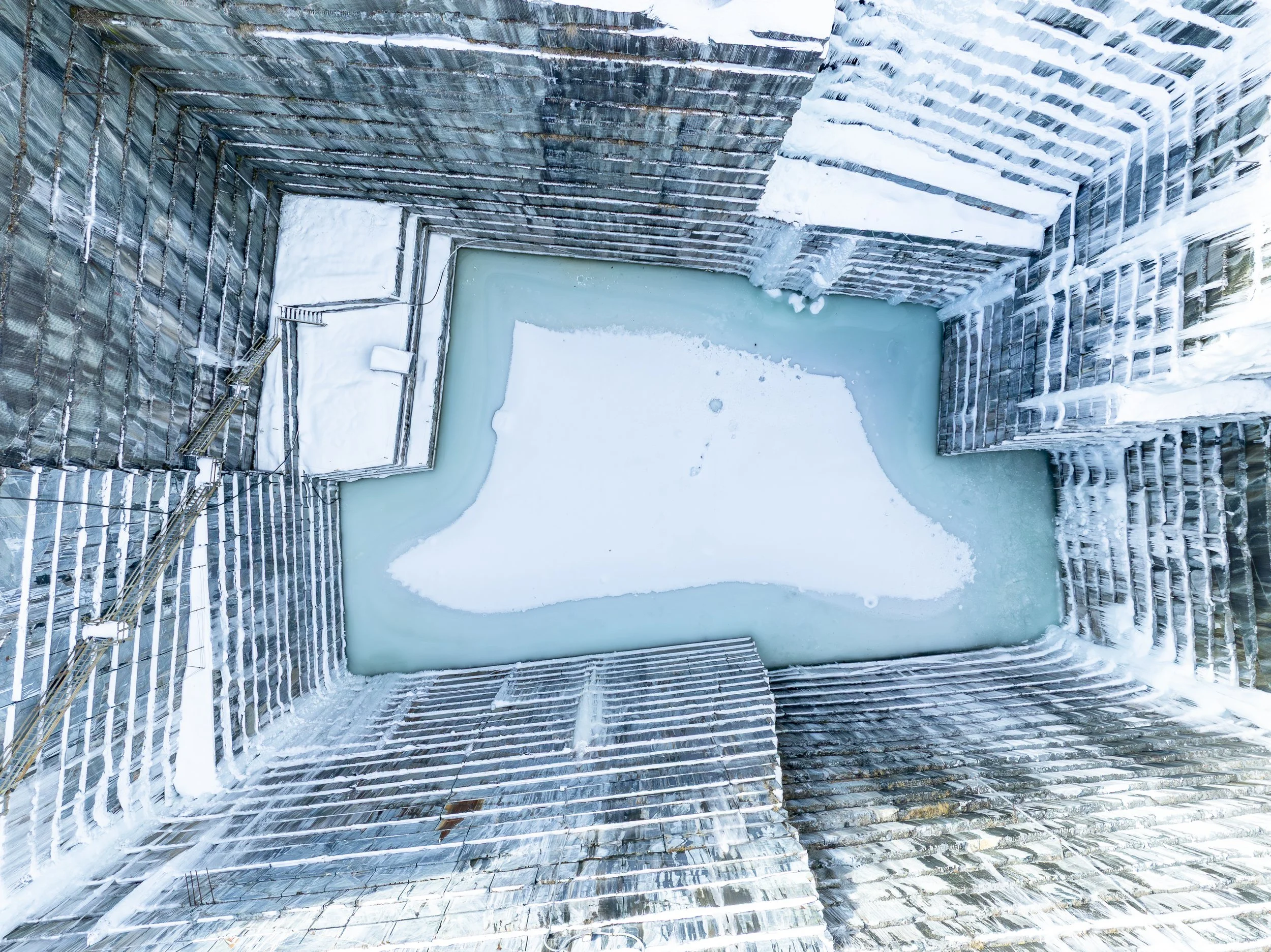
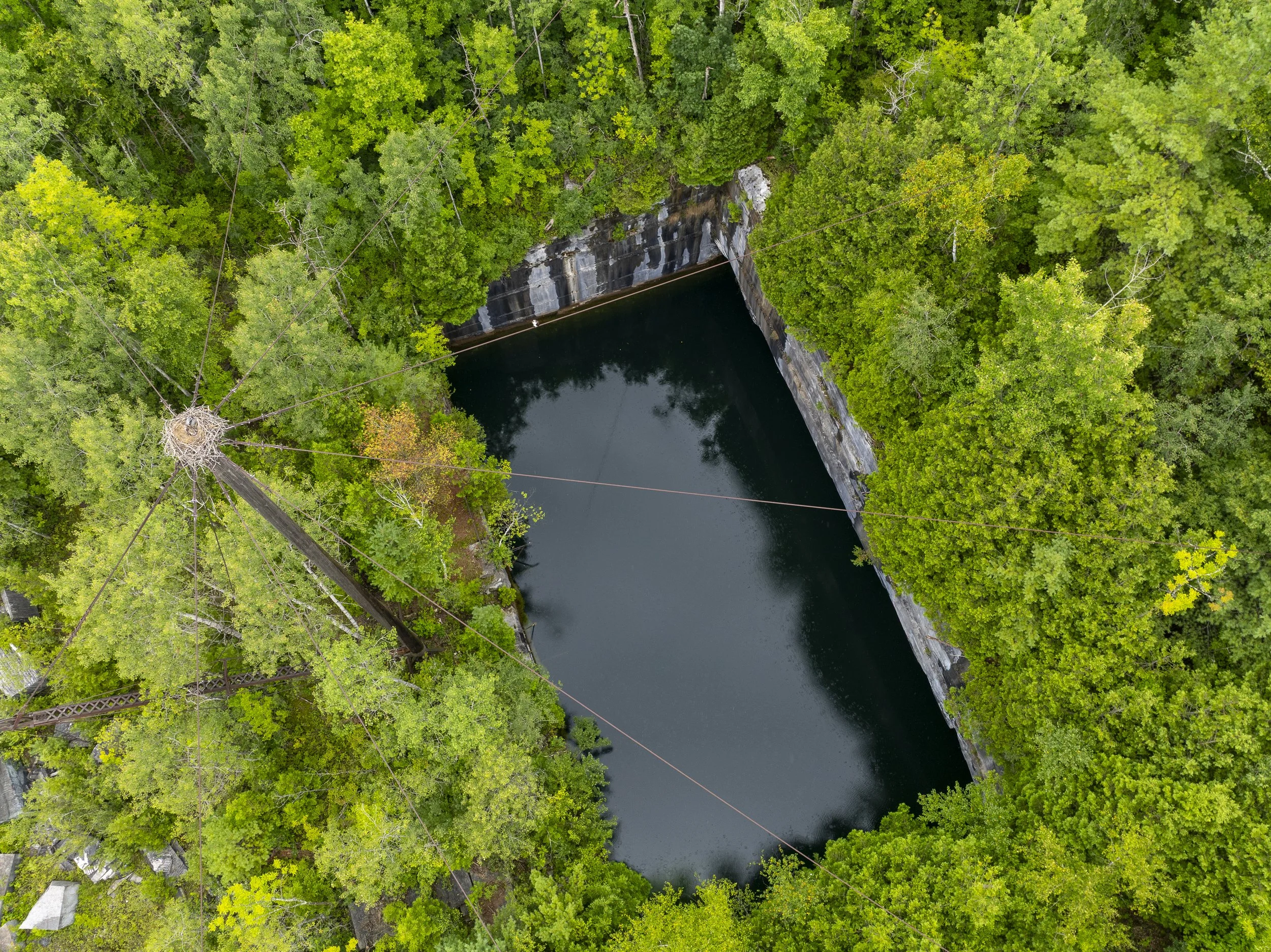
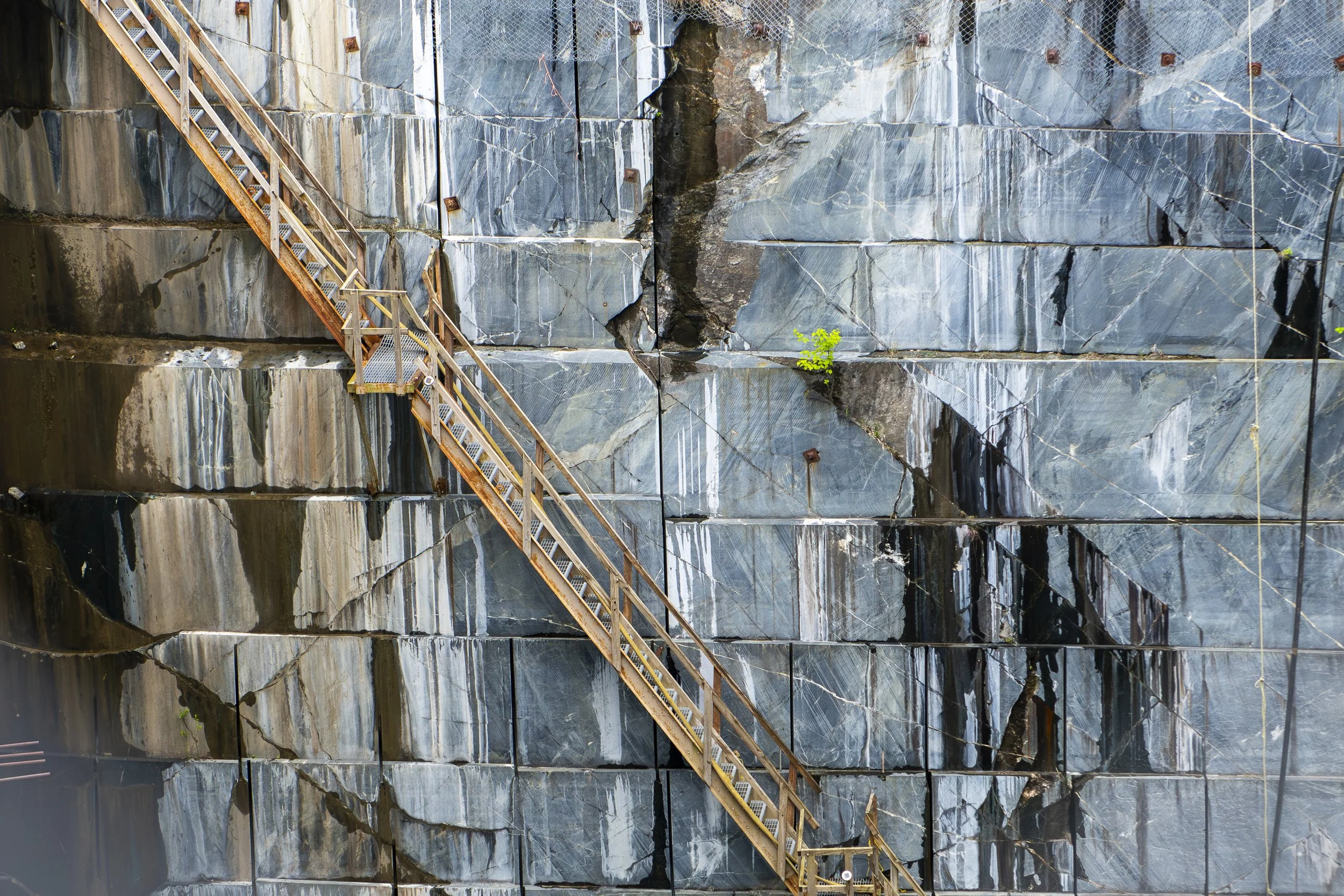
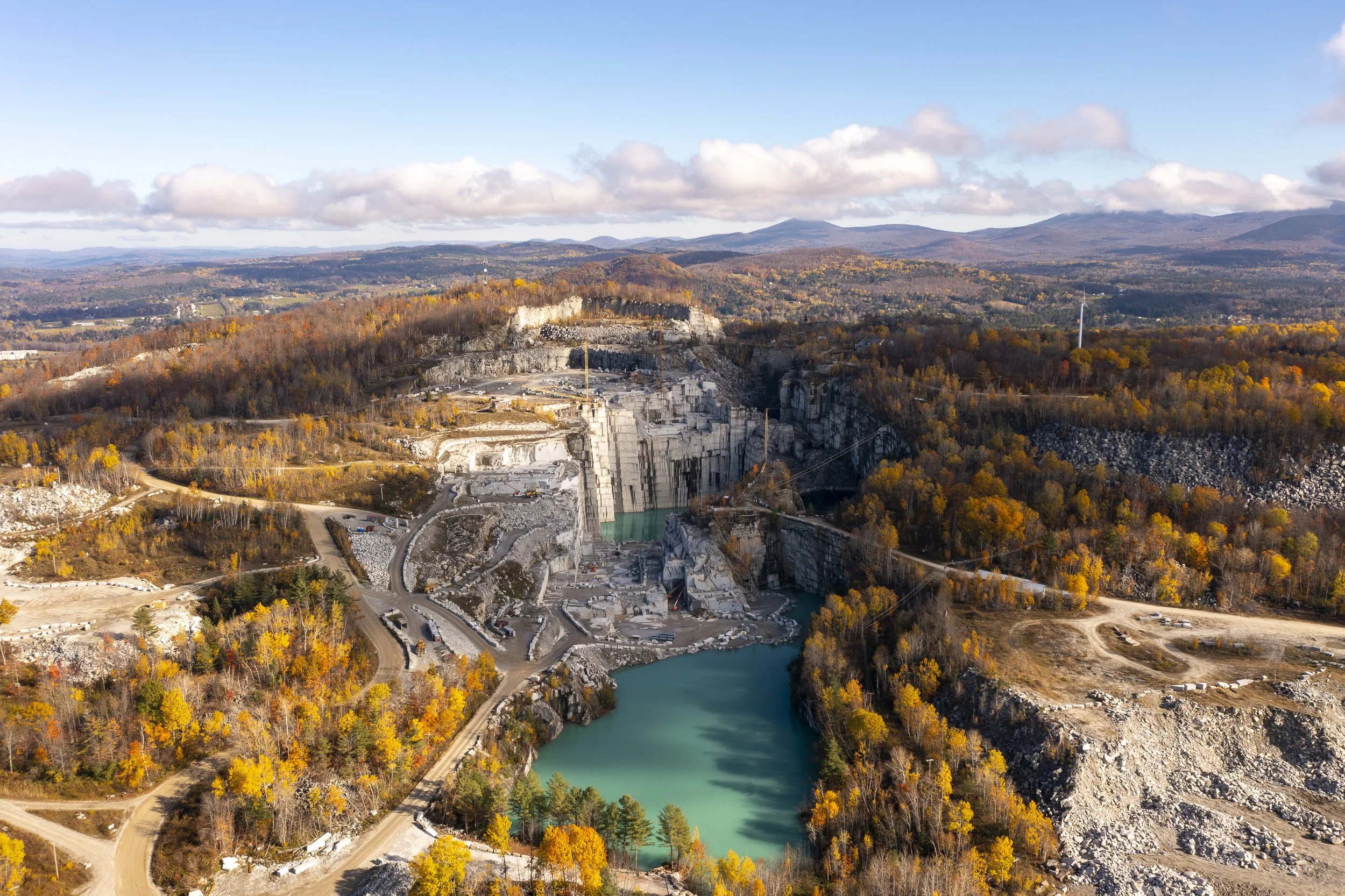
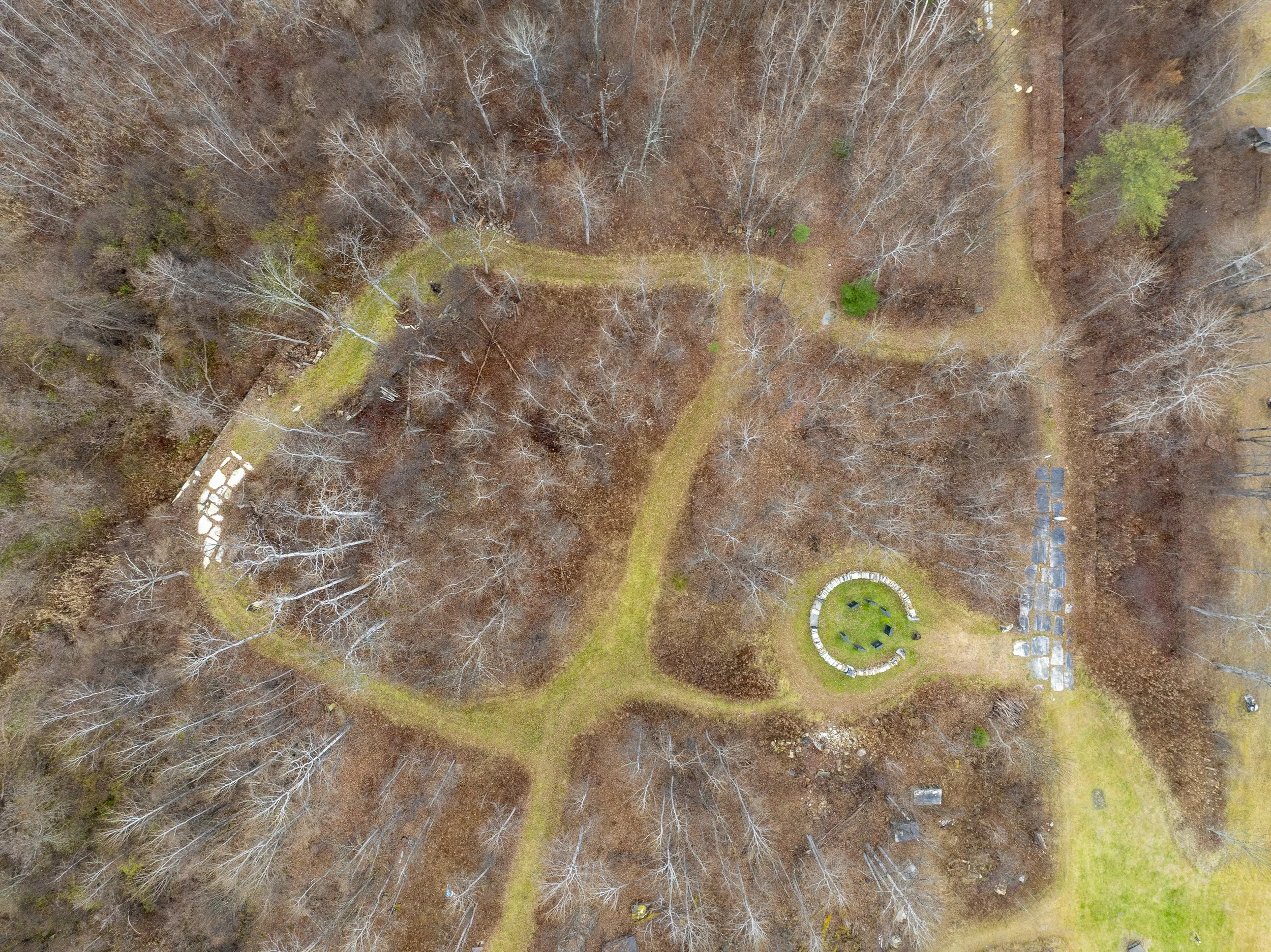
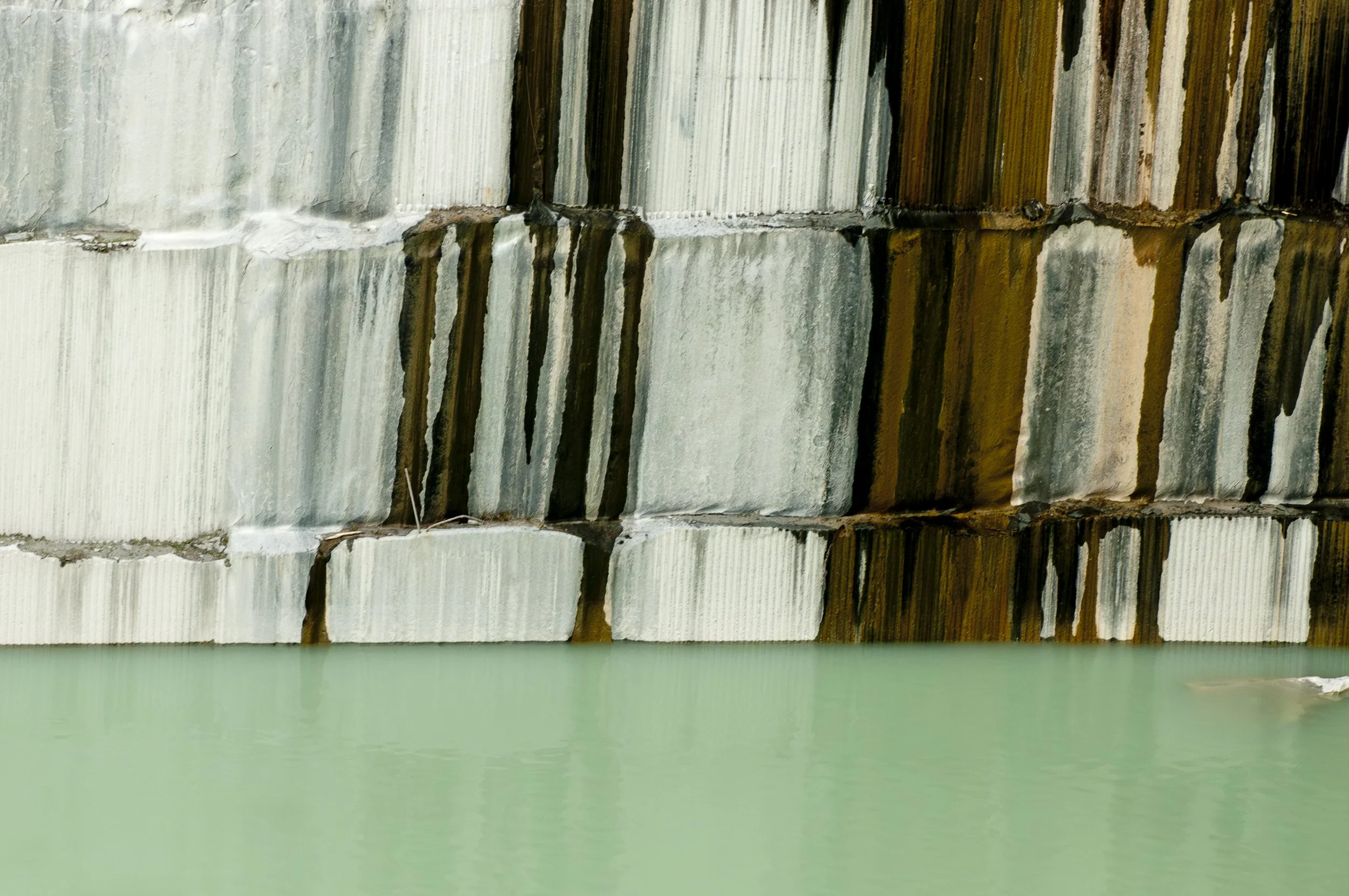
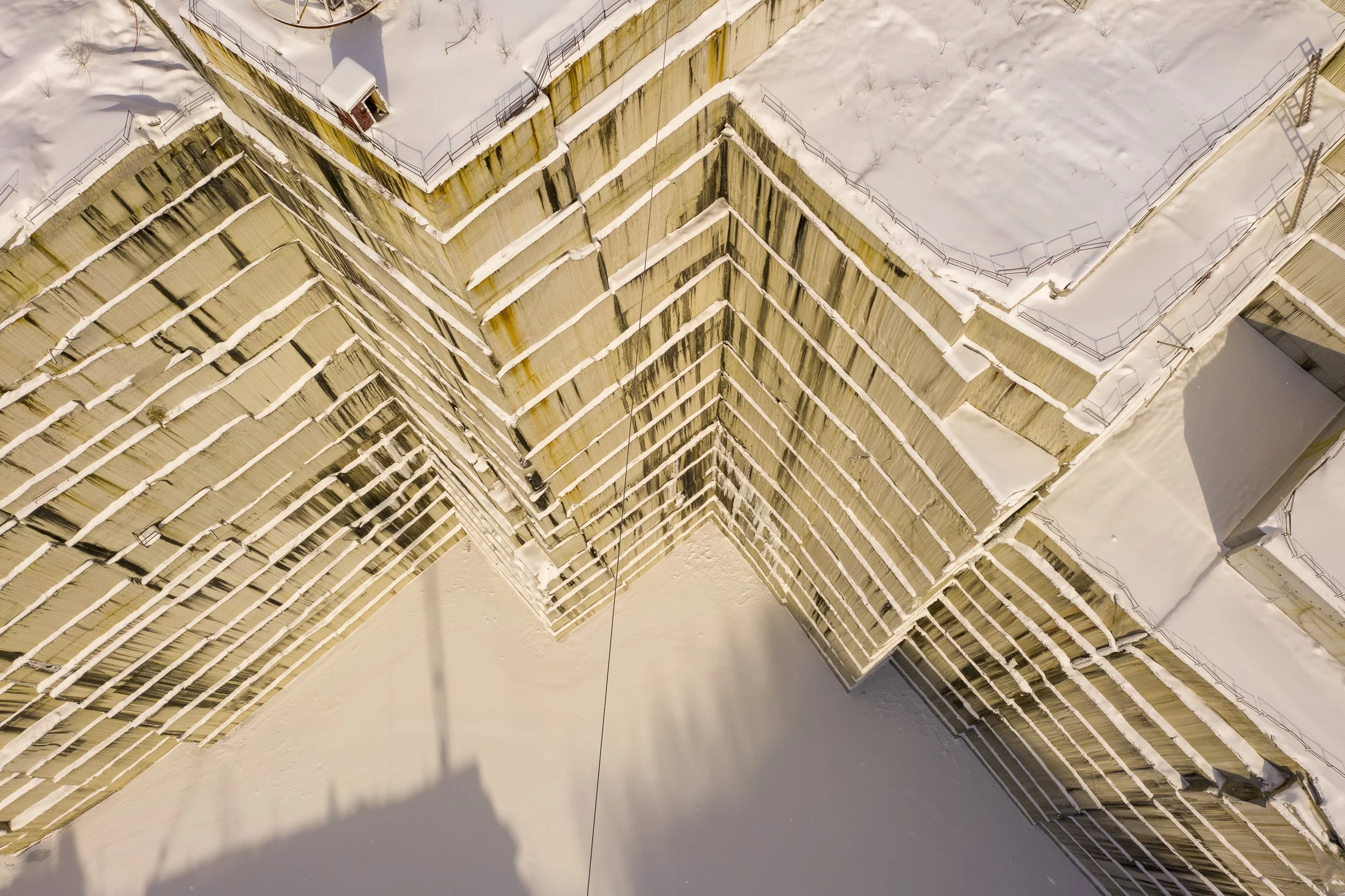
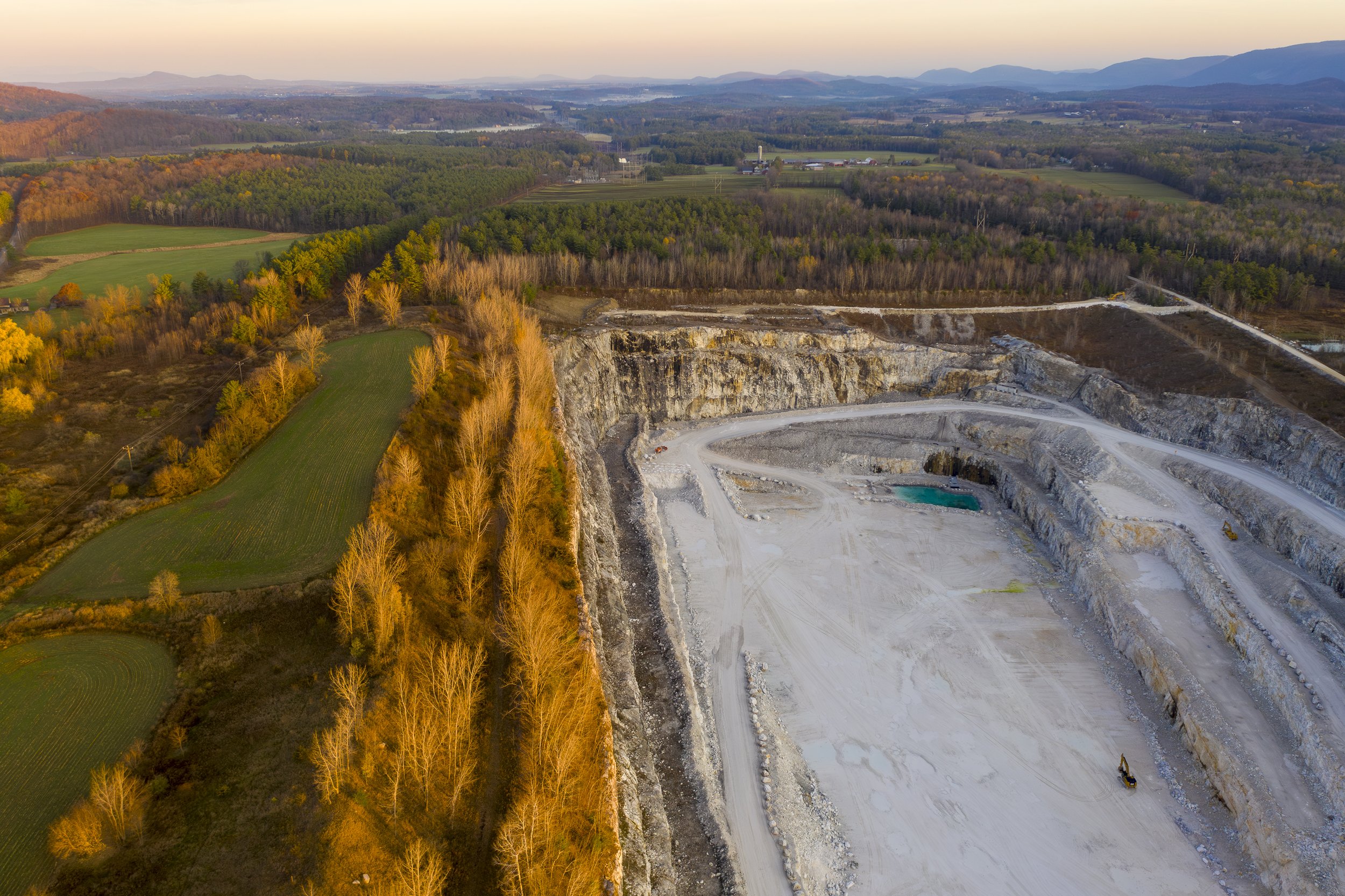
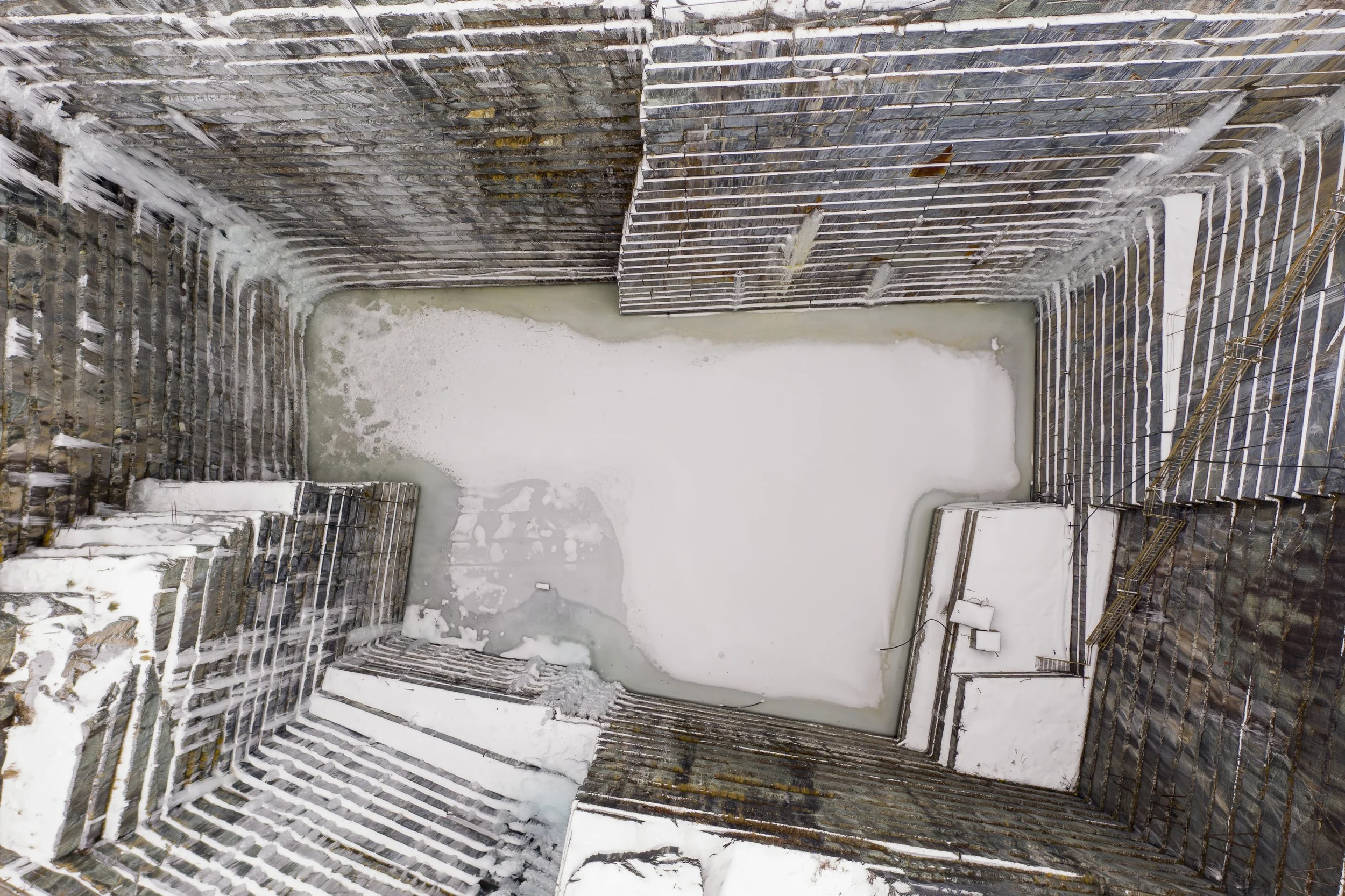
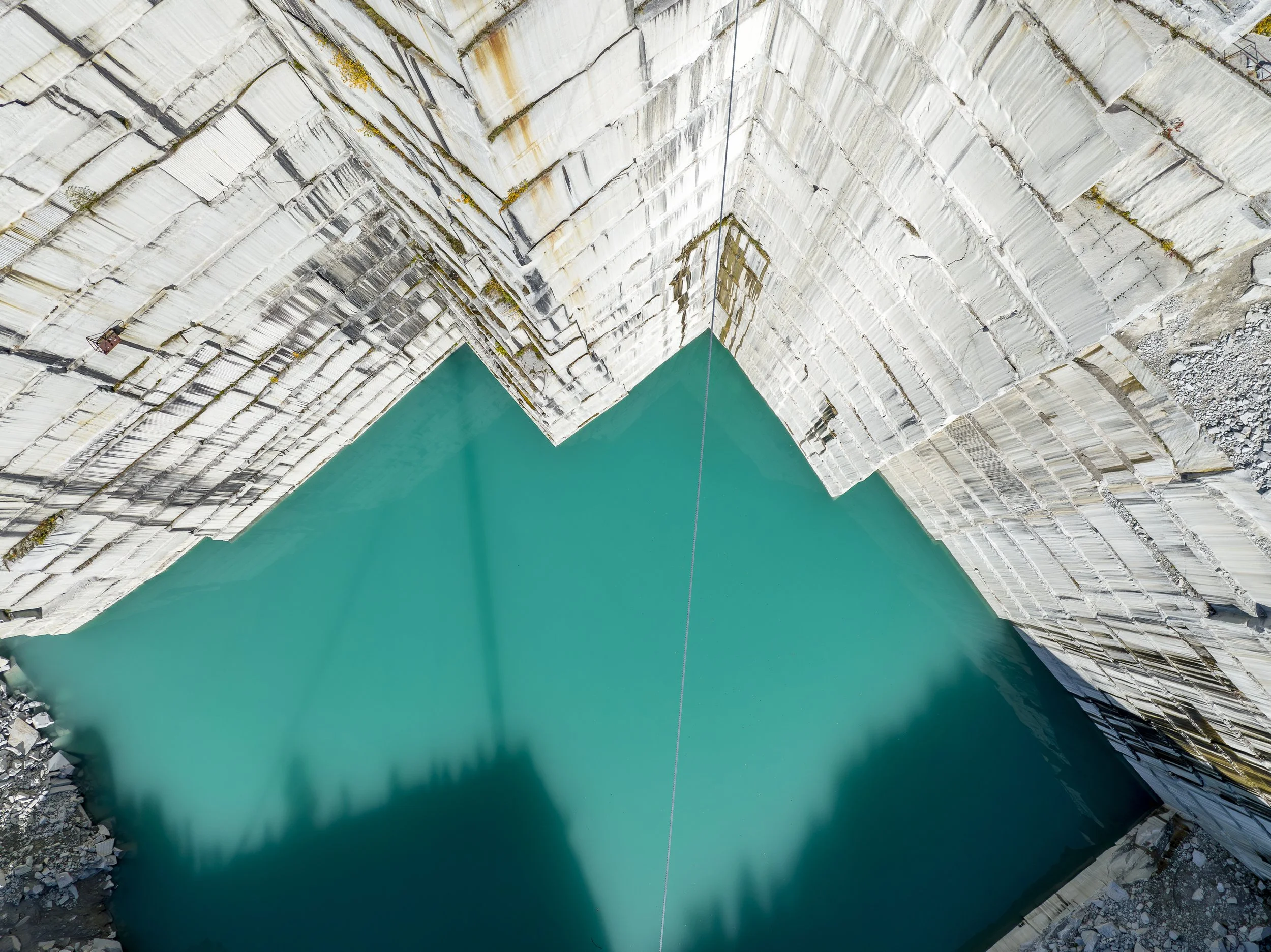
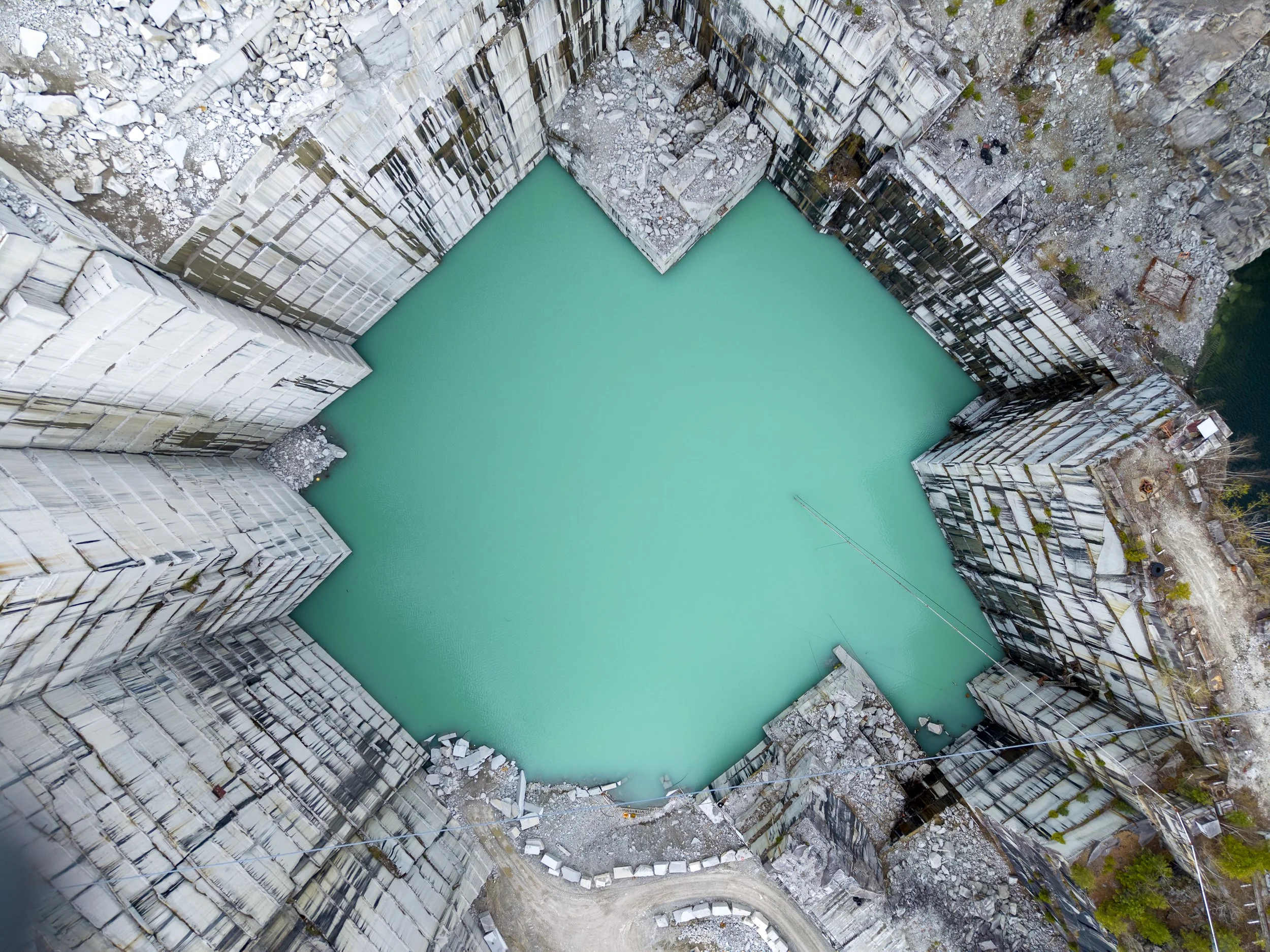
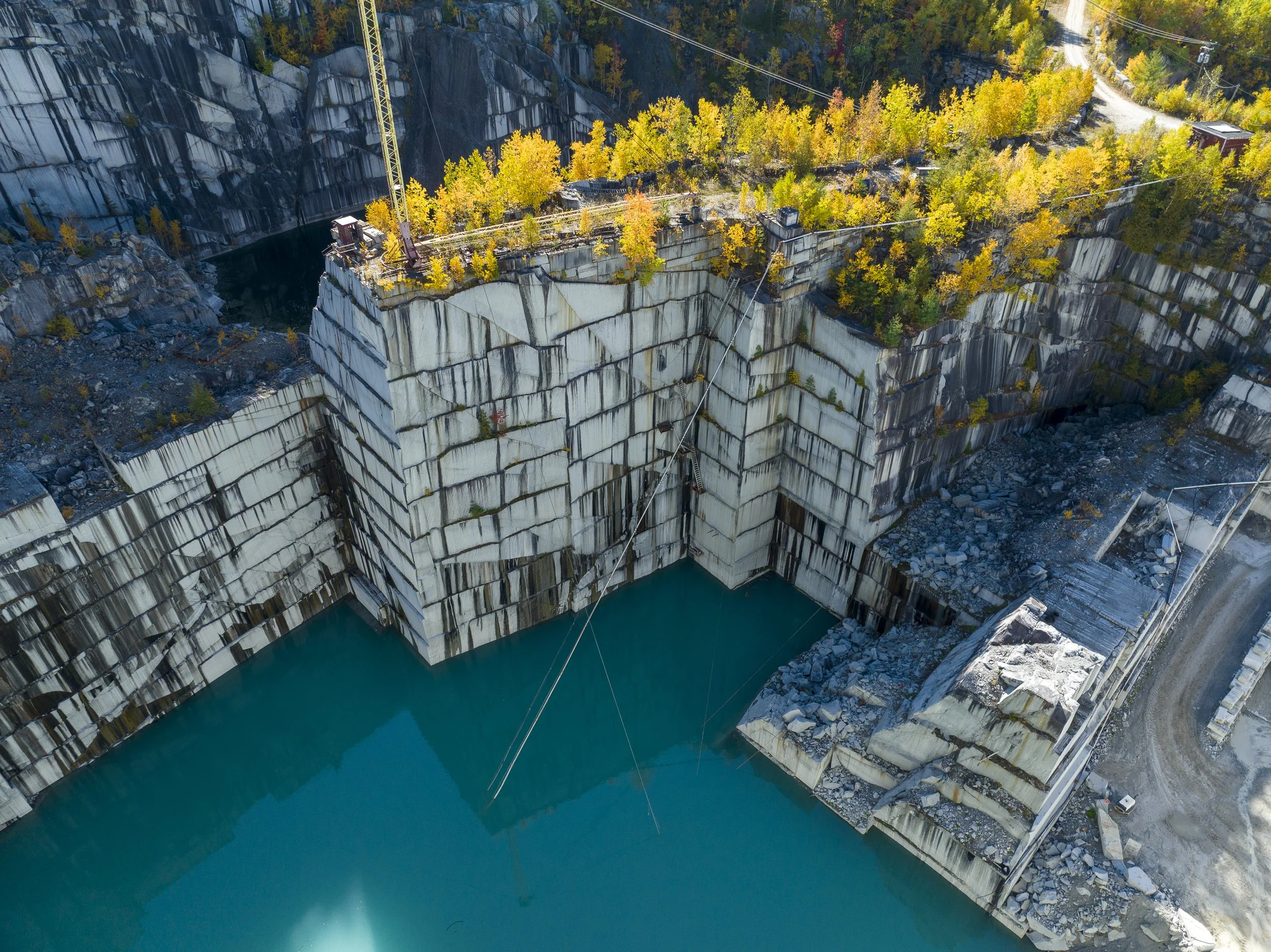
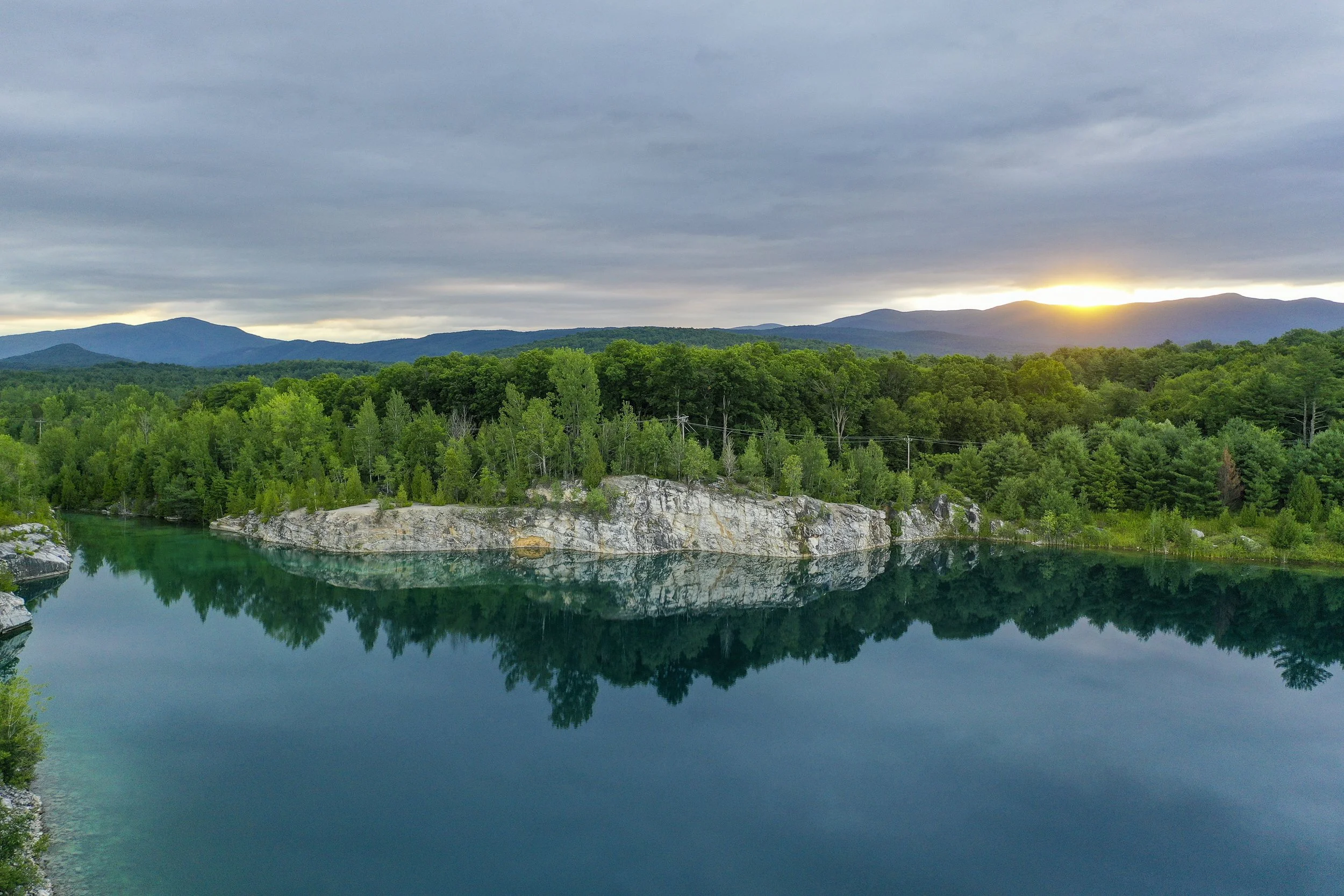
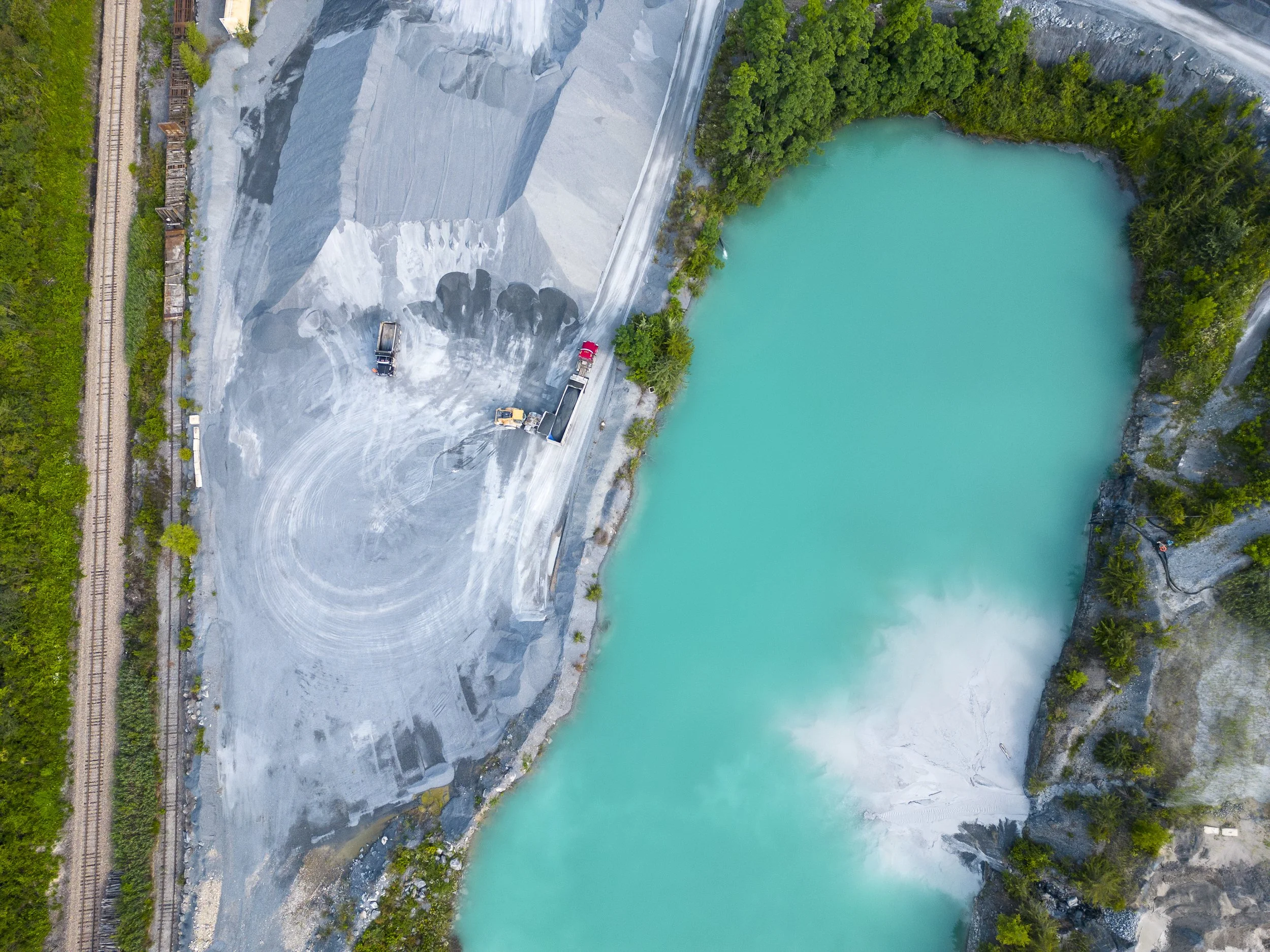
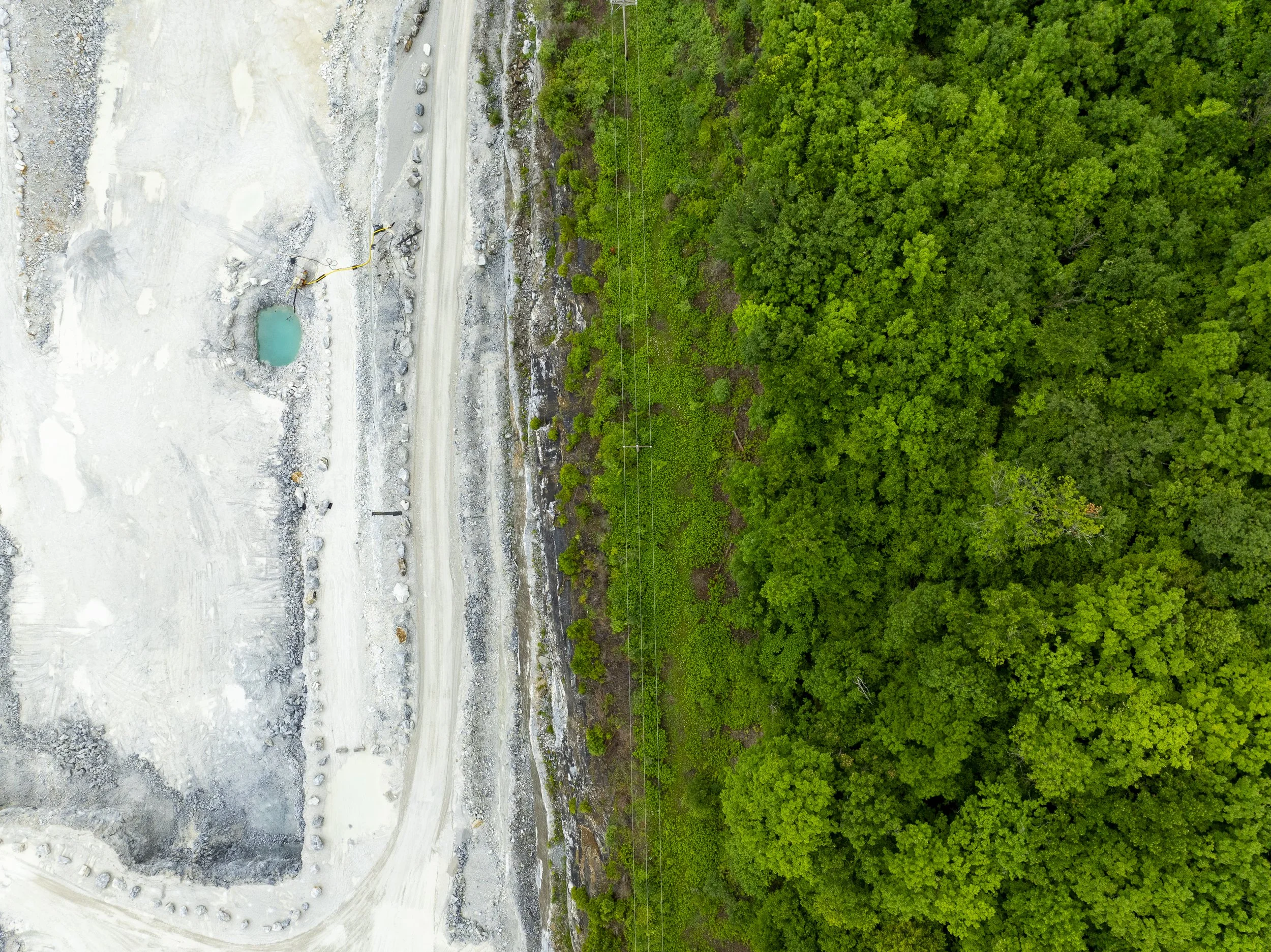
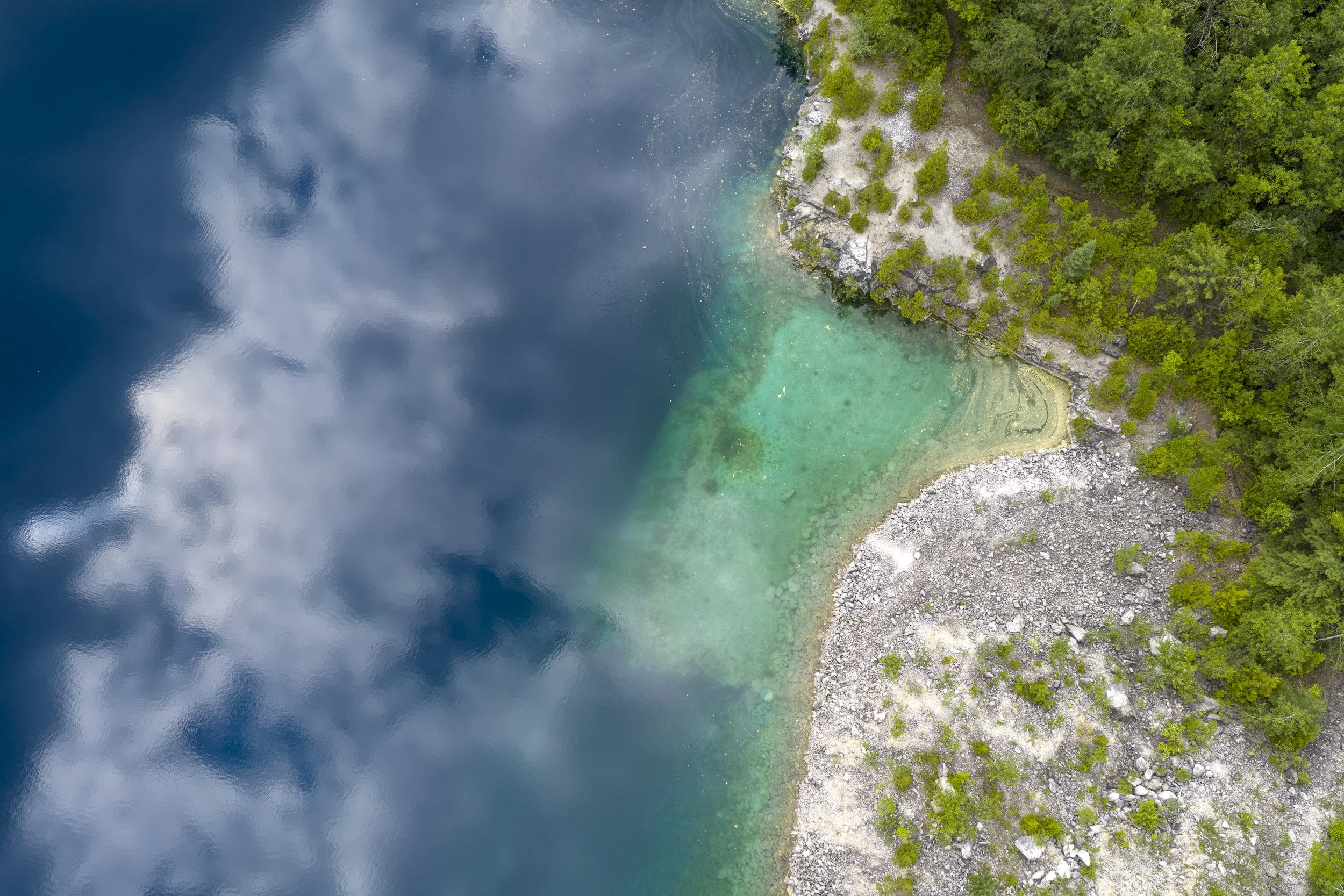
For the past ten years, I have photographed Vermont's quarries. I am drawn to their history, beauty, danger, and monumental engineering
The quarrying industry has long been a cornerstone of Vermont's economy and landscape. Three geological resources define the industry: marble in western Vermont, granite in central Vermont, and slate along the state's western border. These operations fueled industrial growth, attracted waves of immigrant labor, and left a lasting mark on Vermont's architecture and culture.
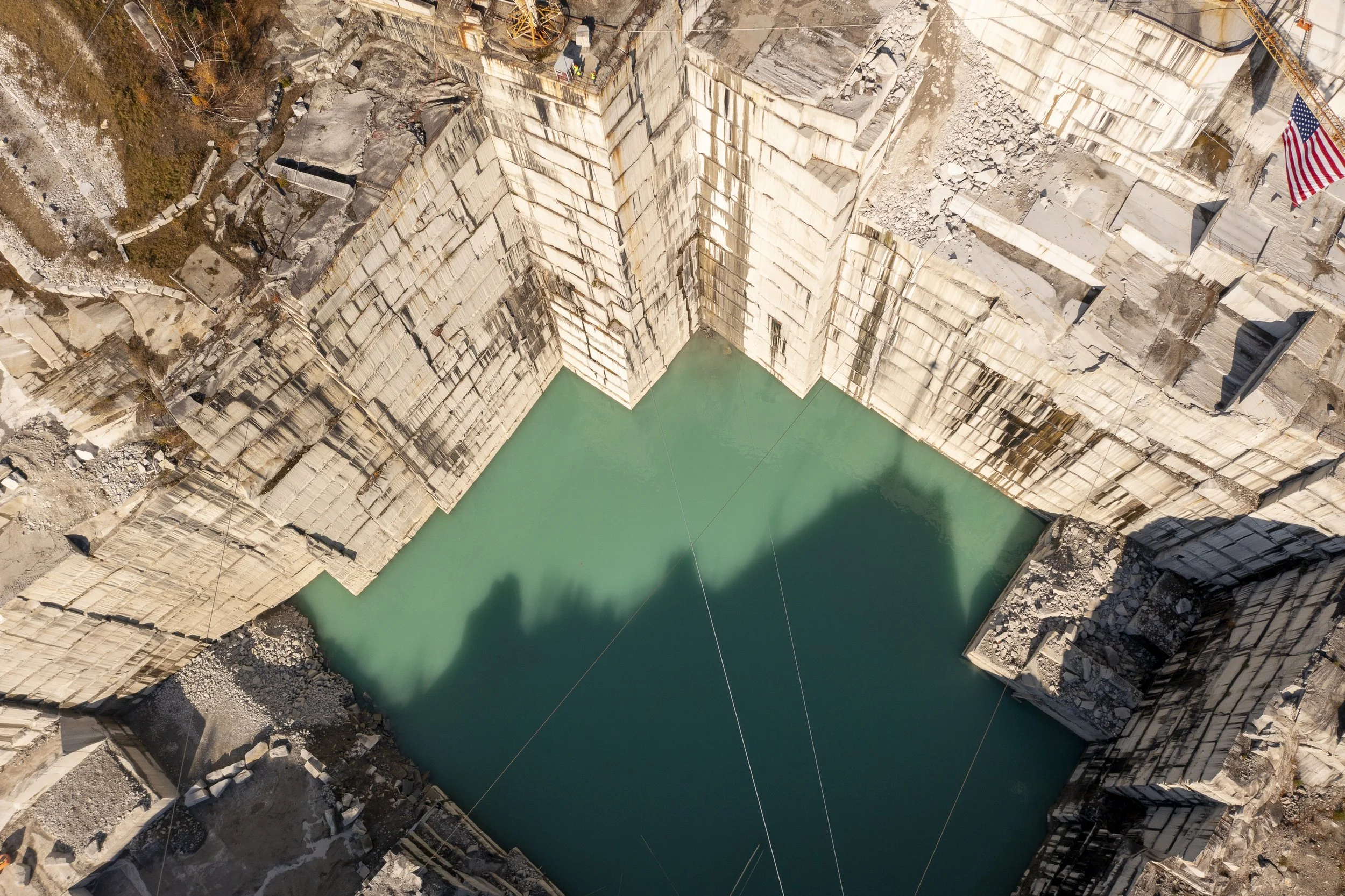
The nation's first commercial marble quarry opened in Dorset in 1785. Its stone was used in monuments and landmark buildings, including the New York Public Library, before the quarry closed in the late nineteenth century. Following the War of 1812, Barre emerged as the granite capital of the world. The industry expanded rapidly with the arrival of the railroad and the skilled craftsmanship of immigrant stone carvers from Scotland and Italy. One of the best-known active sites is the Rock of Ages quarry in Barre. Established in 1880, its immense granite pit descends more than 600 feet, standing as an enduring symbol of American industry and engineering.
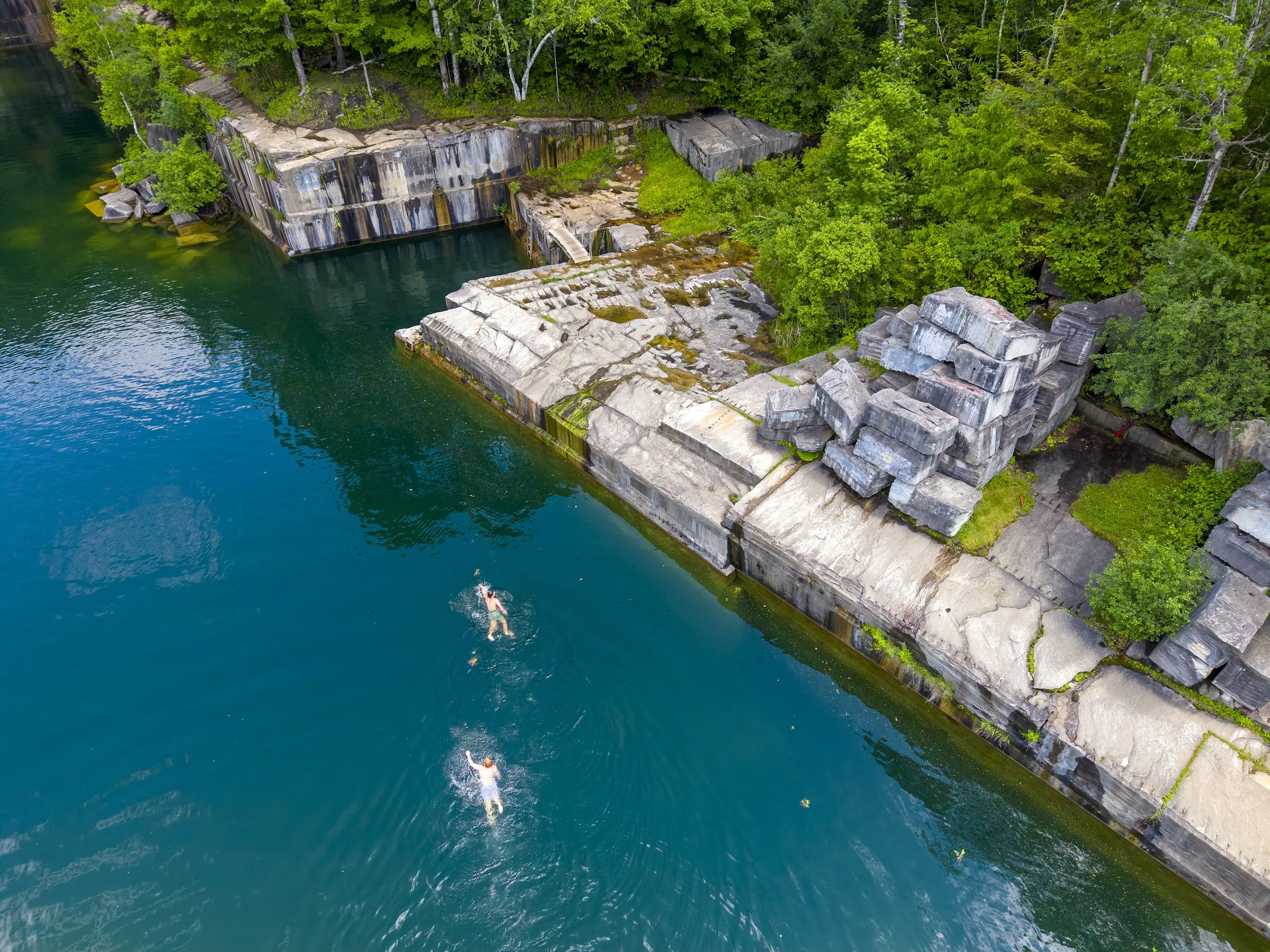
While quarrying today operates on a different scale, these sites continue to shape Vermont's landscape. Many abandoned quarries, now filled with remarkably clear water, have become popular swimming holes, transforming places of industry into places of recreation. Through these photographs, I hope to reveal both the monumental scale and the unexpected beauty of these remarkable landscapes, where geology, labor, history, and nature converge.